Best Countries to Move for Affordable Retirement with Digital Nomad Visas in 2026

Not sure where to start? Our free Relocation Wizard matches you to your ideal country in minutes.
Key Takeaways
- Combining affordable retirement with digital nomad visas is increasingly feasible in 2026 due to revamped visa policies in countries like Portugal, Vietnam, and Mexico.
- Key factors to balance include visa income thresholds, cost of living, healthcare quality, and tax implications for a flexible and secure retirement lifestyle.
- Southeast Asia’s new digital nomad permits and Latin America’s improved resident visas offer attractive, budget-friendly options for retirees seeking mobility coupled with remote work rights.
- European nations continue refining passive income and startup visa programs, making them ideal for retirees with stable, moderate income streams and those willing to invest in quality healthcare access.
- Use tools like the Relocation Wizard and cost-of-living calculator to tailor your relocation plan around your personal priorities and financial profile.
Why Affordable Retirement with Digital Nomad Visas is a Growing Trend in 2026
The ongoing evolution of global work and retirement patterns has created a crossroads where affordable living meets remote work-friendly residency options. For retirees and expats aiming to stretch their retirement funds without sacrificing mobility, many countries have introduced or updated digital nomad and passive income visa programs that go beyond traditional retirement visas.
These changes in 2026 reflect shifting economic realities and migration strategies — visa income thresholds are adjusting, new remote work permits are launching, and tax regimes are being reconsidered to retain talent while protecting local economies. This article zeros in on countries that combine affordability with flexible visa opportunities catering specifically to retirees and digital nomads who want the best of both worlds: cost-effective living plus official remote work or passive income authorization.
Quick Tip: Before choosing a destination, check the latest visa income requirements and renewability terms to avoid surprises. Use the Relocation Wizard for up-to-date visa insights tailored to your profile.
What to Consider When Combining Affordable Retirement with Digital Nomad Visas
Balancing visa eligibility, living costs, healthcare access, and tax implications is crucial:
- Visa requirements: Minimum income or investment thresholds, type of permitted income (passive, remote work, pension), and duration.
- Cost of living: Rent, food, utilities, transportation, and lifestyle expenses — vary drastically between regions. Use a cost-of-living calculator to compare.
- Healthcare quality: Availability of affordable, reliable healthcare especially matters for retirees. International health insurance may supplement public care.
- Tax regimes: Some countries tax foreign income lightly or exempt it, while others require tax residency after certain periods. These impact net retirement budgets.
- Safety and infrastructure: Reliable internet, safety, expat communities, and ease of renewing residency visas influence long-term satisfaction.
Let's explore some of the best countries to move for affordable retirement with digital nomad visas in 2026, highlighting the latest policy updates that matter most.
Portugal

Portugal remains a standout destination for combining affordable retirement with digital nomad visas, mainly due to the popular revamped D7 Passive Income Visa.
What’s new in 2026?
- The minimum annual income threshold has decreased from roughly €8,460 to about €7,800, easing the path for retirees with moderate passive income or remote work earnings to qualify.
- The D7 visa grants access to Portugal’s excellent public healthcare system and allows permanent residency applications after five years.
- Portugal’s "Non-Habitual Resident" tax regime has been revised; high earners must now pay 20% flat tax on foreign-sourced income, up from 10%, which may slightly reduce tax advantages for some retirees.
Why Portugal works for retirees
- Cost of living: Monthly expenses can range from €1,200 to €1,800 in cities like Lisbon, Porto, and smaller towns, well under other Western European nations.
- Visa flexibility: The D7 visa covers retirees and remote workers with passive income, freelancing, or business income — ideal for those seeking longer-term residence paired with EU passport pathways.
- Healthcare: Access to high-quality, universal health care via residency. Private health services are also affordable.
- Community and climate: Mild Mediterranean climate and growing expat communities with English widely spoken in urban areas.
Quick Tip: If applying for the D7 visa, prepare proof of stable income sources such as pensions, dividends, or freelance contracts — Portugal’s consular offices scrutinize documentation carefully.
Vietnam

Vietnam debuted its Vietnam Digital Nomad Permit in early 2026, representing a game-changer in Southeast Asia for affordable retirement with digital nomad visas.
Key features
- Initially issued for one year, renewable upon proof of continued remote work and compliance.
- Monthly income requirement: ≥ $2,000 USD, along with proof of remote employment — making it accessible for mid-tier professionals and retirees with side gigs or investments.
- Vietnam’s cost of living remains low; typical monthly budgets of $1,000 to $1,500 cover rent, food, utilities, and transport comfortably for retirees in cities like Ho Chi Minh City or Da Nang.
Healthcare and safety
- Public healthcare facilities are basic; however, private hospitals are affordable and well-regarded in urban centers. Many expats opt for international health insurance coverage.
- Improvements in safety and expat infrastructure, especially in tech hubs, are making Vietnam increasingly attractive for long-term stays.
Mexico

Mexico continues soaring in popularity due to its favorable Temporary Resident Visa and recent simplifications introduced in 2026.
Visa and income requirements
- Proof of monthly income around $1,800 USD or savings exceeding $30,000 USD qualifies applicants for a one-year resident visa, extendable for up to four years.
- The 2026 visa process includes a streamlined extension system, reducing bureaucratic hurdles and frequent office visits.
Cost of living and lifestyle
- Cities such as Mexico City and Playa del Carmen offer affordable lifestyles with monthly budgets between $1,500 and $2,000 including rent, groceries, and leisure.
- A rich cultural environment, warm climate, and steady improvements in safety have boosted Mexico’s appeal to retirees and nomads alike.
Healthcare access
- Both public (IMSS) and private healthcare systems are accessible; private care is affordable and high quality. Many retirees use international insurance plans.
Quick Tip: Use the cost-of-living calculator to compare expenses across Mexican cities before deciding, as coastal tourist hubs cost more than inland metros.
Spain

Spain revamped its digital nomad offerings in 2026 with the Startup Visa, targeting tech entrepreneurs and remote workers with slightly higher income requirements than older digital nomad permits.
Visa details
- Initial residency permit valid for one year, renewable up to five years.
- An annual income threshold of approximately €27,000 is required, favoring remote professionals or semi-affluent retirees with consistent income streams.
- This visa offers access to Spanish healthcare and EU Schengen Area mobility.
Retirement considerations
- Cost of living varies widely: Madrid and Barcelona are pricey (€1,800 - €2,500/mo), but smaller towns and southern regions like Andalusia remain affordable (approx. €1,200-€1,600/mo).
- Spain offers excellent healthcare and a warm climate with vibrant cultural life, appealing to active retirees.
Panama

Panama remains a top choice for affordable retirement with flexible resident visas suitable for digital nomads and passive income retirees.
The Friendly Nations Visa and Pensionado Program
- Friendly Nations Visa requires proof of $5,000 in bank deposits and a monthly income of $1,000; it allows residency with a path to citizenship.
- The Pensionado program offers discounts on utilities, flights, and medical care for retirees with pensions or annuities over $1,000/mo.
- Panama's territorial tax system exempts foreign-sourced income, appealing for remote workers and retirees.
Living costs and infrastructure
- Monthly expenses in Panama City and expat hubs like Boquete range from $1,500 to $2,000, covering comfortable housing and private healthcare.
- The country boasts solid internet connectivity and growing coworking spaces catering to nomads.
Malaysia

Malaysia’s Malaysia My Second Home (MM2H) program remains attractive, updated in 2026 for more accessible financial requirements, especially for retirees.
Key program details
- Reduced liquid asset requirement for older applicants from $100,000 to $70,000 USD.
- Monthly income proof requirement adjusted accordingly ($2,500 average).
- MM2H residents have access to affordable private healthcare and reputable international schools.
Lifestyle benefits
- Kuala Lumpur and Penang offer affordable living, quality amenities, and established expat communities.
- Tropical climate and English widely spoken simplify integration.
Turkey

Turkey has become notably more affordable thanks to a 25% depreciation of the lira against the dollar, creating new opportunities for retirees on moderate budgets.
Visa and residency
- Standard short-term and long-term residence permits are available; no dedicated digital nomad visa yet but remote workers can secure residency with financial proof.
- Monthly cost of living in Istanbul and coastal cities can be as low as $1,200 - $1,800 including rent, food, and services.
Healthcare and community
- Both public and private healthcare options are available; private care is affordable and high quality.
- Growing expat populations with improved urban safety.
Costa Rica
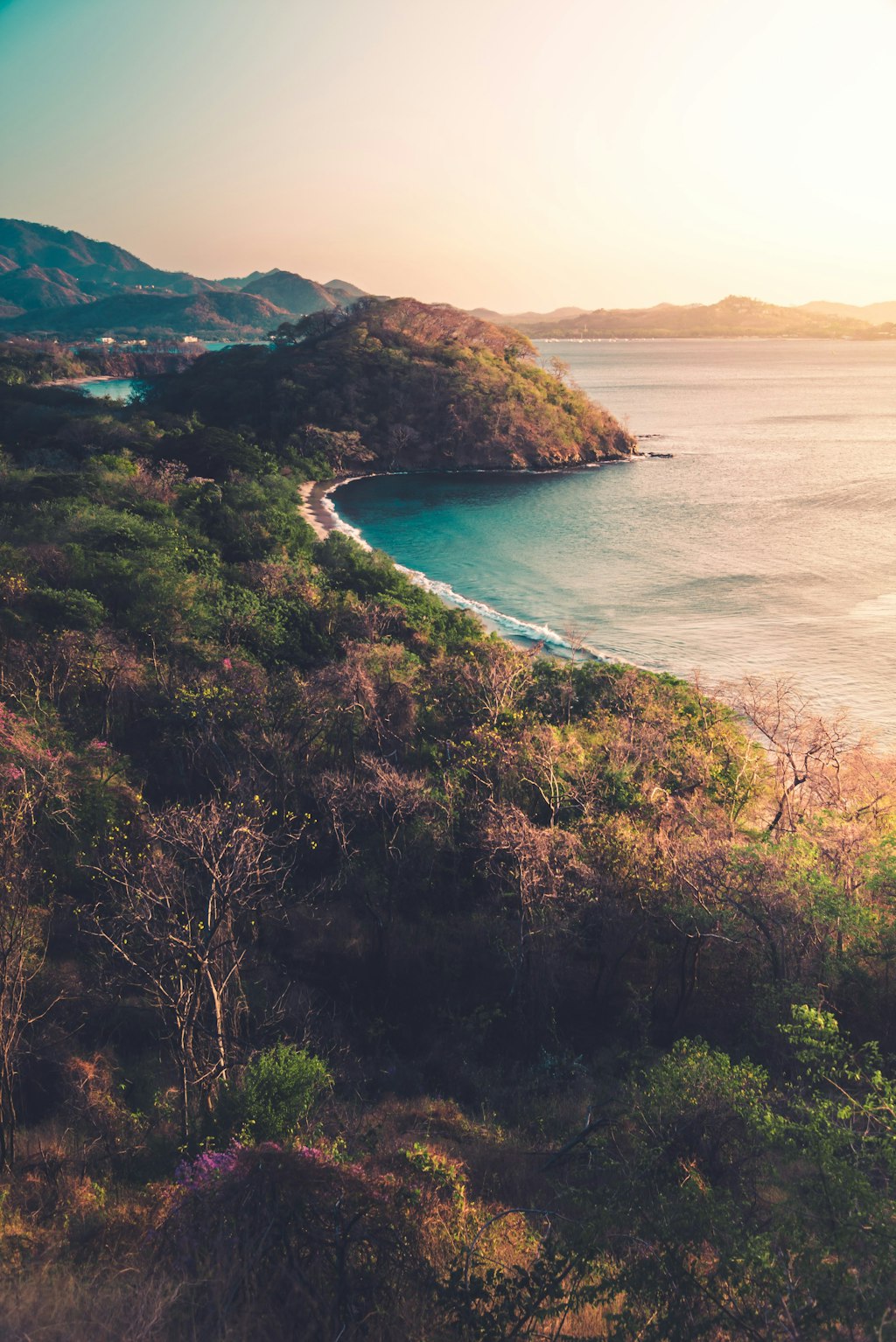
Costa Rica’s Rentista Visa remains a favorite for retirees and remote workers with stable income.
Visa requirements and benefits
- $2,500 minimum monthly income proof or an equivalent deposit.
- Residency grants access to Costa Rica’s public healthcare (Caja) and a warm climate.
Lifestyle
- Moderate living costs ranging $1,500-$2,300/mo depending on location.
- Infrastructure improvements and expanding expat communities, including coworking facilities.
Quick Tip: When evaluating countries, factor in not only visa requirements but also local tax laws, as they greatly affect your net retirement income.
A Brief Comparison: Income Thresholds for Selected 2026 Retirement/Digital Nomad Visas
| Country | Visa Name | Income Requirement (Annual or Monthly) | Residency Length | Healthcare Included? | Notes |
|---|---|---|---|---|---|
| Portugal | D7 Passive Income Visa | €7,800/year (~€650/month) | 1 year renewable | Yes (public) | Also covers passive income |
| Vietnam | Digital Nomad Permit | $2,000/month | 1 year renewable | Private mostly | New 2026 visa |
| Mexico | Temporary Resident Visa | $1,800/month or $30,000 savings | 1 year + renew | Mixed | Simplified extensions 2026 |
| Spain | Startup Visa | €27,000/year | 1-5 years | Yes (public) | Focus on tech entrepreneurs |
| Panama | Friendly Nations / Pensionado | $1,000/month (income) | Permanent | Yes (public/private) | Territorial tax regime |
| Malaysia | MM2H | $70,000 liquid assets + monthly proof | 10 years | Private | Relaxed 2026 criteria |
| Costa Rica | Rentista Visa | $2,500/month | 2 years renewable | Yes (public) | Popular among nomads |
Frequently Asked Questions
What is the difference between a digital nomad visa and a retirement visa?
A digital nomad visa generally targets active remote workers, requiring proof of ongoing employment and income sourced from abroad, often with shorter-term permits and renewals. Retirement visas focus on passive income like pensions, requiring proof of stable retirement funds or savings. Some countries merge these concepts, allowing retirees with passive or remote income to qualify under broader "remote work-friendly" visas.
Can retirees work remotely while on retirement visas?
It depends on the country. Some retirement visas, like Portugal’s D7, explicitly accept remote work or passive income. Others restrict employment locally. If remote work is essential, consider countries with digital nomad or hybrid visas that legally permit remote work by non-residents, ensuring visa compliance and tax clarity.
How important are tax implications when choosing a country for digital nomad retirement?
Tax rules can dramatically affect how far your retirement funds stretch and what income you need to show. Countries with territorial tax systems or tax exemptions on foreign income (like Panama or Malta) may offer better net income retention. New regulations in Portugal and France require attention to how income is taxed locally versus abroad.
Are healthcare systems reliable in countries offering affordable retirement and digital nomad visas?
Quality varies. European countries like Portugal and Spain offer robust public healthcare included in residency. Southeast Asian countries often require private insurance or out-of-pocket payments for high-quality care. Latin American nations typically provide a mix; retirees should ensure access to private options or international insurance for adequate coverage.
Final Thoughts
Choosing where to combine affordable retirement with digital nomad visas in 2026 means navigating a dynamic visa landscape shaped by evolving policies, economic shifts, and lifestyle priorities. Countries like Portugal, Vietnam, and Mexico provide compelling options with flexible income requirements, good healthcare, and vibrant expat communities. Meanwhile, established destinations such as Spain, Panama, and Malaysia continue to refine their offers for retirees balancing mobility and security.
To craft your ideal relocation plan, leverage the Relocation Wizard to match your preferences with current visa policies and use our cost-of-living calculator to evaluate financial feasibility across countries. With thorough research and strategic planning, you can enjoy an affordable, flexible retirement lifestyle enhanced by the benefits of modern digital nomad visas.
Start exploring your best options now with our expert tools!