Best Countries for Long-Term Digital Nomad Visas in 2026

Not sure where to start? Our free Relocation Wizard matches you to your ideal country in minutes.
Key Takeaways
- In 2026, long-term digital nomad visas increasingly offer stays from one to five years with benefits like capped taxes and access to healthcare.
- Spain and Portugal lead Europe with competitive digital nomad and investor visa options but face tighter property investment and tax rules.
- The Caribbean and Southeast Asia (notably Barbados, Antigua, and Thailand) provide attractive options with favorable tax regimes and visa durations up to four years.
- Emerging Eastern European programs in Georgia and Montenegro appeal with low costs and simple applications, ideal for remote workers prioritizing affordability.
- Consider total cost of living, income requirements, healthcare access, and visa conditions when choosing your long-term digital nomad destination.
- Use tools like the Relocation Wizard and cost-of-living calculator alongside visa research for a smart, personalized move.
Understanding Long-Term Digital Nomad Visas in 2026
The rise of remote work as a permanent lifestyle has reshaped global migration, with countries adapting visa regimes to attract remote professionals willing to stay beyond short tourist allowances. The best long-term digital nomad visas in 2026 now offer multi-year residency options—ranging from one to five years—making it easier to live abroad without permanent immigration commitments.
Unlike earlier short-term digital nomad permits lasting 6-12 months, these programs often come with income thresholds, tax perks (such as capped rates or exemptions on foreign income), and brighter prospects for continuity—without the full complexity of traditional permanent residency or citizenship pathways.
In choosing a destination, digital nomads must weigh income requirements, taxation, residency conditions (e.g., minimum physical presence and property investment), healthcare accessibility, safety, and overall quality of life. Countries are balancing this while managing housing affordability, inflation, and geopolitical shifts—making 2026 a dynamic year for visa seekers.
This article compares leading destinations—spanning Europe, the Caribbean, Asia, and beyond—with details on their long-term digital nomad visa programs, helping you make an informed decision for your next base.
Europe’s Front-Runners: Spain and Portugal

Spain’s Digital Nomad Visa: Long-Term Stability with Tax Incentives

Spain launched its landmark digital nomad visa under the Ley de Trabajo a Distancia para No Residentes, effective 2025, positioning itself as a prime destination for remote workers seeking a longer-term European base.
- Duration: 1 initial year, extendable up to 5 years
- Income Requirement: Minimum monthly income of approximately €2,000 (~$2,200), or €24,000 annually
- Tax Benefits: Flat 15% tax rate on qualifying foreign income for up to 4 years, significantly lower than Spain’s regular personal income tax brackets
- Residency Conditions: No minimum property purchase required; proof of employment or remote work contract mandatory
- Healthcare: Access to the Spanish public health system after residency registration; private insurance recommended initially
- Cost: Application fees around €100–€150 plus proof of funds and health insurance
Spain’s visa caters primarily to young professionals and freelancers, especially targeting Latin American and European workers wanting to dip into Spain’s vibrant culture, excellent infrastructure, and temperate climate. Note that housing affordability has become a challenge, especially in cities like Madrid and Barcelona, partly due to inflation and changes to the Golden Visa program.
Portugal’s D7 and Golden Visa Programs: Attractive but Evolving
Portugal remains highly attractive for its mild climate, low-cost lifestyle, and favorable tax regime under the Non-Habitual Resident (NHR) scheme—although 2026 signals reform and restrictions.
- D7 Passive Income Visa: Ideal for digital nomads with stable passive or sponsored income
- Income Requirement: Roughly €760/month (single), €1,140 for couples
- Stay Duration: Initial one year, renewable, leading to permanent residency
- Taxation: NHR scheme offers up to 10 years of beneficial tax treatment but is tightening from 2026, limiting some exemptions
- Residency Condition: Minimum stay of 16 months (out of 2 years)
- Golden Visa: Investment-based residency
- Real Estate Investment: €500,000 minimum (reduced to €350,000 in low-density urban rehab zones)
- Recent Policy: Coastal property investments now restricted to reduce inflationary pressure on housing
- Healthcare: Access to public healthcare after residency registration; private insurance recommended initially
- Costs: Application fees vary by visa, typically around €90–€200 upfront plus investment or income proof
Portugal’s combination of affordability and NHR tax benefits remains popular, but future applicants should monitor reforms closely. The D7 visa suits remote workers with diversified income streams, while investors lean toward the Golden Visa—albeit under new property restrictions.
Quick Tip: If applying for Portugal’s D7 visa, prepare to demonstrate consistent passive income and maintain valid health insurance for smooth approval and housing access.
The Caribbean: Tropical Havens with Business-Friendly Visas
The Caribbean continues as a favored digital nomad hotspot thanks to sunny weather, English-speaking communities, and generally low tax burdens on foreign income.
Barbados Welcome Stamp
- Duration: 12 months, renewable
- Income Proof: No minimum income stated officially, but proof of employment or income required
- Cost: $2,000 (single), families around $3,000+
- Tax Benefits: No income tax on foreign-earned income while resident
- Healthcare: Good quality private healthcare; travel insurance strongly advised
- Internet and Lifestyle: Increasing investment in 5G and fiber broadband; strong expat community
Antigua and Barbuda Nomad Digital Residence Program
- Duration: Up to 2 years, renewable
- Income Requirement: Minimum $50,000 annual income
- Cost: Application fees approximately $1,500–2,000 USD
- Tax Benefits: No income tax on foreign earnings
- Residency Conditions: Visa holders are not subject to local income tax on digital nomad earnings; must maintain accreditation or proof of ongoing remote work
- Lifestyle: Beach-centric environment with friendly expat community and low crime rates
Other Caribbean island states promote similar remote work visas, including Saint Kitts and Nevis, offering streamlined application procedures and zero income tax on foreign income.
Quick Tip: Caribbean digital nomad visas are perfect for seasonal or sun-seeking remote workers prioritizing tax advantages and lifestyle over urban amenities. Health insurance coverage is crucial, given varying local healthcare infrastructure.
Southeast Asia’s Rising Star: Thailand’s Smart Visa
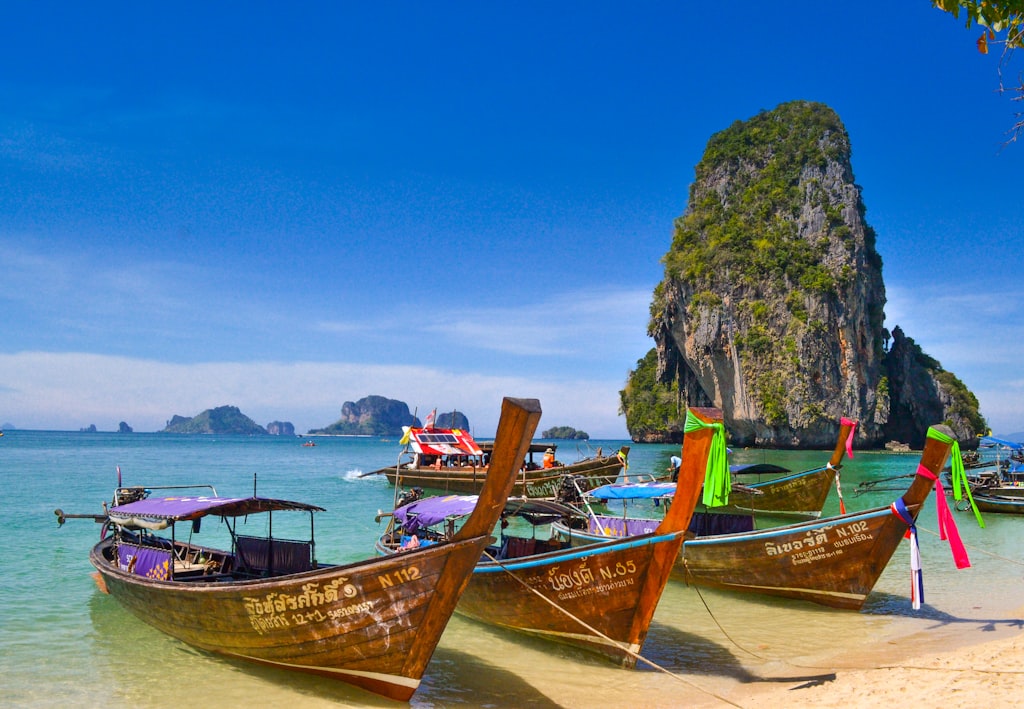
Thailand reintroduced and expanded its Smart Visa program in 2025, targeting digital nomads, tech entrepreneurs, and highly skilled workers to offset slower tourism recovery.
- Duration: 1 to 4 years (depending on category)
- Income Requirement: Minimum monthly income of THB 100,000 (~$2,800) for digital nomads
- Residency Benefits: Multiple entry, exemption from work permit requirements, spouse and dependents allowed
- Taxation: Foreign income generally tax-exempt when remitted from abroad
- Healthcare: Excellent private healthcare in major cities; insurance mandatory for visa issuance
- Cost: Application and visas fees vary but typically range from $100 to $300 USD
Thailand suits remote professionals seeking culturally rich environments and affordable yet quality living. The income threshold limits entry to upper-tier nomads; however, the welcoming infrastructure and ongoing tech innovation ecosystem make it attractive.
Emerging and Affordable Options in Eastern Europe
Georgia’s “Remotely from Georgia” Visa

- Duration: Up to 1 year in most cases
- Income Requirement: Not strictly enforced; nominal application fee $20-$50
- Taxation: No tax on foreign-earned income
- Residency: Simple registration process; no property investment required
- Cost of Living: Extremely affordable compared to Western Europe
- Healthcare: Improving, with both public and private options
Georgia’s program is popular among budget-conscious digital nomads and offers a strong value proposition in terms of ease of entry and cultural uniqueness. Its friendly visa conditions and low costs make it a standout for those prioritizing flexibility.
Montenegro and Beyond
Montenegro and other Balkan countries have introduced e-visas and expanded remote work permits with similar attractiveness—low expenses, robust natural beauty, and growing digital infrastructure. However, healthcare and tax benefits vary more widely.
Maturing Markets: Mexico, UAE, and Malta

Mexico: Stable and Affordable
Mexico remains a top North American contender with its Temporary Resident Visa offering stays beyond 180 days without permanent resident status.
- Income Requirement: Around $1,620/month or savings of $27,000
- Duration: 1-4 years depending on visa type
- Tax and Residency: Foreign income not taxed if sourced from outside Mexico; local healthcare accessible publicly and privately
- Lifestyle: Proximity to the US, rich culture, and improving safety perceptions
United Arab Emirates: High-End Remote Working

The UAE’s one-year virtual working program is a sleek option for professionals earning at least AED 18,000 (~$4,900) monthly.
- Duration: 1 year, renewable
- Tax Benefits: No personal income tax
- Living Costs: High, especially Dubai and Abu Dhabi
- Benefits: Premium infrastructure, global connectivity, and personal safety
Malta’s Digital Nomad Tax Incentive

Malta launched a new framework capping income tax at 15% for remote workers employed by Maltese companies or contracts.
- Visa Duration: Residency permits tied with this status
- Cost: Application fees ~€275 plus mandatory health insurance
- Access: Residency includes Schengen Area travel rights
Malta’s offering is niche but appeals strongly to EU-based freelancers and tech workers looking for a sunny Mediterranean base.
Comparing Income Requirements, Taxation & Duration
| Country | Visa Name | Minimum Income | Duration | Tax Highlights |
|---|---|---|---|---|
| Spain | Digital Nomad Visa (Ley de Trabajo) | €2,000/month | 1–5 years | 15% flat tax first 4 years |
| Portugal | D7 Passive Income Visa | €760/month (single) | Renewable yearly | NHR scheme benefits (reviewed in 2026) |
| Barbados | Welcome Stamp | Proof of income required | 12 months | No tax on foreign income |
| Antigua and Barbuda | Nomad Digital Residence Program | $50,000 yearly | Up to 2 years | No tax on foreign income |
| Thailand | Smart Visa | THB 100,000 (~$2,800) per month | 1–4 years | Foreign income exempt if remitted abroad |
| Georgia | Remotely from Georgia | None formally | 1 year | No tax on foreign earnings |
| Mexico | Temporary Resident Visa | $1,620/month or $27,000 savings | 1–4 years | Foreign income not taxed if outside MX |
| UAE | Virtual Working Program | AED 18,000 (~$4,900) per month | 1 year | No personal income tax |
Other Noteworthy Considerations for 2026 Digital Nomads
- Healthcare Quality and Insurance: Many visas mandate valid private health insurance. Look for countries where residency allows access to public health systems to reduce costs.
- Education and Safety: Family-oriented nomads should prioritize locations like Canada, Scandinavia (Denmark, Sweden), which remain popular for excellent education and low crime but come with higher tax and living costs.
- Tax Residency Rules: Many countries adjust the threshold for becoming a tax resident to as low as 3–6 months. Short-stay nomads should strategize accordingly to avoid surprise tax liabilities.
- Currency Fluctuations: Destinations like Turkey leverage currency weakness to offer attractive costs, but inflation risks remain. Plan income and savings with exchange rates in mind.
Frequently Asked Questions
What qualifies as a long-term digital nomad visa in 2026?
Long-term digital nomad visas typically allow stays ranging from 1 to 5 years with renewable options, often requiring proof of remote work or consistent income, and offering tax benefits and simplified residency conditions compared to traditional permanent residence permits.
Which country offers the most favorable tax regime for digital nomads?
Caribbean nations like Barbados and Antigua stand out for zero income tax on foreign earnings. Spain’s digital nomad visa caps tax at 15% for four years. Portugal’s Non-Habitual Resident scheme is still attractive but faces restrictions starting 2026.
How can I estimate the cost of living before choosing a country?
Use dedicated tools like our cost-of-living calculator to compare daily expenses, rent, food, and healthcare costs tailored to your target destinations. This helps balance the income requirements and lifestyle expectations effectively.
Is it better to choose a digital nomad visa or investor visa for long-term stays?
It depends on your financial capacity and goals. Investor visas like Portugal’s Golden Visa require significant capital but can lead to residency and citizenship, while digital nomad visas demand less investment but focus on proof of income and remote work, offering more flexibility but fewer long-term entitlements.
Final Thoughts
Navigating the best countries for long-term digital nomad visas 2026 involves balancing income requirements, taxation, residency conditions, and lifestyle factors unique to your career and priorities. From European hubs like Spain and Portugal to sunny Caribbean islands and culturally rich Southeast Asia, there’s a growing range of options designed for remote professionals seeking stability without permanent immigration.
Before making a move, leverage tools like our Relocation Wizard to tailor your search and the cost-of-living calculator to budget realistically. Staying informed about evolving visa policies and tax regulations ensures a smooth, rewarding transition to your next international work adventure.
Ready to find your ideal remote work destination? Explore our Relocation Wizard now and start planning your future abroad with confidence.