
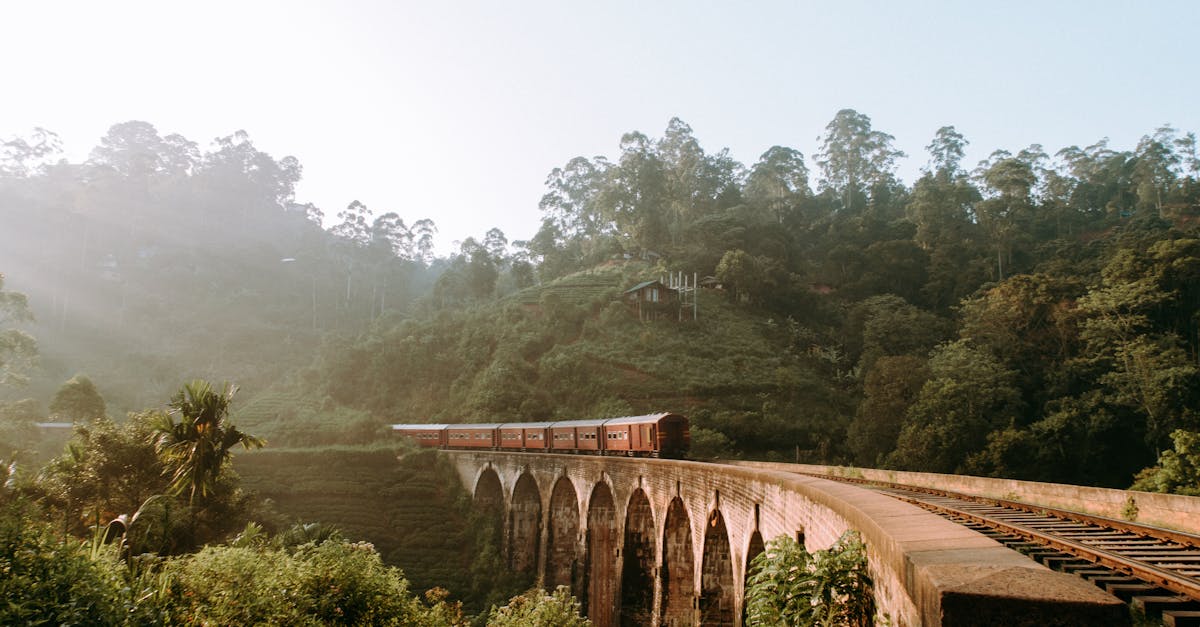
Living in Sri Lanka
Sri Lanka, formerly known as Ceylon, is an island nation in South Asia, located in the Indian Ocean. It is known for its rich cultural heritage, diverse landscapes, and significant biodiversity. The country is famous for its ancient temples, tea plantations, stunning beaches, and vibrant wildlife.
Next Steps
- 1Apply for the appropriate visa category through the Sri Lanka Department of Immigration and Emigration or a Sri Lankan diplomatic mission.
- 2Search for job opportunities in Sri Lanka and secure a valid employment offer or contract from an employer in Sri Lanka.
- 3Research and secure housing in Sri Lanka, considering factors such as location, affordability, and accessibility.
- 4Prepare for integration by learning about Sri Lankan culture, customs, and language, and connecting with expat communities or local networks for support.
The Complete Guide to Living in Sri Lanka
Sri Lanka: A Cultural Tapestry
Introduction
Sri Lanka, often referred to as the "Pearl of the Indian Ocean," is a vibrant, enchanting country known for its stunning landscapes, historical depth, and cultural richness. This island nation offers a harmonious blend of modern living and traditional customs, influenced significantly by Theravada Buddhism and South Indian cultures. Whether you are considering relocation for work, leisure, or adventure, the unique appeal of Sri Lanka promises an enriching experience.
Cultural and General Appeal
Sri Lanka's culture is a fascinating mosaic of diverse traditions and social dynamics. The influences of Theravada Buddhism are deeply ingrained in the island's societal norms, art, and architecture. Additionally, significant cultural contributions stem from South Indian traditions, manifesting in religious practices, cuisine, and music.
- Art and Traditions: The country's artistic heritage reflects its historical tapestry with elements like traditional dance, music, and crafts thriving alongside modern artistic expressions.
- Sports and Cuisine: Sri Lanka's love affair with cricket and its distinctive culinary repertoire, featuring spices and fresh produce, contribute to its international charm.
- Holistic Practices: The island is renowned for holistic medicine, particularly Ayurveda, offering unique wellness experiences deeply rooted in traditional practices.
- Global Exports: Known for its high-quality tea and gemstones, Sri Lankan products have put the country on the global map.
For a deeper understanding of Sri Lankan culture, refer to this detailed overview.
Practical Considerations
Visa and Immigration
Relocating to Sri Lanka involves navigating its visa and immigration processes. Multiple visa types cater to tourists, expatriates, and those seeking longer-term residency. Detailed information can be sourced from Sri Lanka's official immigration websites.
Housing and Accommodation
Sri Lanka presents a range of housing options, from luxurious boutique villas to more affordable accommodations. Prospective residents can find properties through local real estate websites or by leveraging personal networks. For a unique example of Sri Lankan architecture, check out Sergent House near Unawatuna Beach.
Cost of Living
While specific details on daily expenses weren't covered in the search results, Sri Lanka is generally considered an affordable destination compared to Western countries. Potential newcomers should explore various local resources to gain insights into budgeting and financial planning.
Employment Opportunities
Sri Lanka's job market is varied and expanding. Key industries include technology, tourism, and healthcare, with IT, engineering, and digital marketing roles being particularly in demand. For careers and job application tips, visit LkCareers.
Healthcare Infrastructure
The healthcare system in Sri Lanka is robust, particularly its public sector, which offers widespread access to medical services ensuring quality care across the board. For more insight into services and facilities, consult the Sri Lankan Ministry of Health.
Financial Overview
Navigating financial setups, such as understanding local tax structures, is crucial when relocating. The Foreign Exchange Act outlines pertinent regulations about investments and remittances. For comprehensive legal information, visit the Sri Lanka Law Portal.
Cultural Adaptation and Social Customs
Sri Lanka boasts a rich cultural heritage, with social customs deeply embedded in residents’ way of life. Familiarizing oneself with local etiquette and customs can facilitate smoother social integration and help manage culture shock more effectively.
Essential Links and Resources
- Cultural Insights and More: Sri Lankan Culture
- Job Market Information: Sri Lanka Careers
- Accommodation Options: Housing Guide
- Healthcare Services: Health Institutions
- Financial Regulations: Sri Lankan Financial Law
For a rewarding relocation experience, potential expatriates should engage with local communities, continuously explore Sri Lanka’s diverse components, and remain open to its warm, welcoming lifestyle.
Visa & Immigration
Overview
Sri Lanka is a vibrant country with a fusion of traditional and modern cultural elements. Known for its rich cultural tapestry, Sri Lanka offers a diverse living experience with its mix of ethnicities and cultural traditions. The island nation attracts expatriates due to its growth in industries such as technology, tourism, and healthcare. Understanding the visa and immigration requirements is an essential first step for anyone considering relocation to this beautiful country.
Visa Types
Sri Lanka offers a range of visas depending on the purpose and duration of your stay. Here are the primary types:
- Visit Visa: For short stays such as tourism or business trips.
- Tourist Visa: Generally valid for 30 days and can be extended for up to 6 months.
- Business Visa: Issued for short-term business activities and usually valid for a specific duration matching the business requirement.
- Residence Visa: For longer stays, especially for those moving for employment, education, or joining family.
- Student Visa: Issued for foreign students enrolled in recognized educational institutions.
- Employment Visa: For those who have secured a job in Sri Lanka; requires a job offer from a Sri Lankan company.
- Family Visa: For spouses and dependents of Sri Lankan residents or citizens.
- Investor Visa: Encourages foreign investment by providing residency to foreigners who invest in the Sri Lankan economy.
For more detailed information, you can refer to the Sri Lankan Department of Immigration and Emigration.
Application Steps
Visit Visa
- Apply Online: Visit the Electronic Travel Authorization (ETA) website and fill out the necessary application form.
- Payment: Pay the applicable fee online (credit/debit card).
- Approval: Once approved, a confirmation will be sent via email.
- Arrival: Upon entry, your ETA confirmation will be reconfirmed, and you’ll receive the visa stamp.
Residence Visa
- Documentation: Secure the necessary documents including your passport, visa application form, and any specific documents related to the visa type (e.g. proof of employment for a work visa).
- Submission: Submit your application to the Department of Immigration and Emigration in Colombo.
- Interview: Attend any required interviews or provide additional documents if requested.
- Approval: Once processed and approved, you’ll be granted a residence visa.
Investor Visa
- Investment Proof: Demonstrate proof of qualifying financial investments in Sri Lanka.
- Application Submission: File your application along with supporting documents.
- Approval: Once the application is processed and approved, you'll be granted a residency as an investor.
Pathways to Residency or Citizenship
- Residency: After staying in Sri Lanka for a certain period on a residence visa (typically 5 years), individuals can apply for permanent residency.
- Citizenship: To qualify for Sri Lankan citizenship, one must have resided in the country for over 7 years and demonstrate integration into the local community. More information can be obtained through the Department of Immigration and Emigration.
Practical Advice
- Start Early: Visa and immigration processes can be time-consuming, so it's advisable to begin early to avoid last-minute stress.
- Consult Experts: Consider engaging an immigration attorney or consultancy for complex cases or if you face language barriers.
- Stay Informed: Regulations may change, so stay up-to-date by checking the official government websites and announcements.
- Network: Connect with expatriate communities and forums in Sri Lanka to gather insights and practical tips based on real-life experiences.
- Document Safety: Keep multiple copies of your application and visa documentation, both digital and physical, to avoid any inconveniences.
Understanding these requirements will help you navigate the legal landscape effectively, ensuring a smooth transition to life in Sri Lanka. For all official procedures, the Sri Lankan Department of Immigration and Emigration remains the primary resource for the most accurate and current information.
Cost of Living
Introduction
Relocating to Sri Lanka presents a unique opportunity to immerse yourself in its rich cultural tapestry while benefiting from a relatively low cost of living compared to Western countries. This chapter will break down the primary financial aspects of living in Sri Lanka, including housing, daily expenses, and financial comparisons, providing you with actionable information to facilitate a smooth transition.
Housing
Housing in Sri Lanka offers a diverse range of options suitable for different budgets and preferences. Here's what to consider:
Accommodation Types:
Boutique Villas and Colonial Houses: Perfect for those seeking luxury with a historical charm. Places like Sergent House near Unawatuna Beach are popular choices for those seeking boutique experiences.
Apartments: Available in urban centers such as Colombo, apartments offer a modern living environment with amenities like security, gyms, and swimming pools. Prices vary based on location and size.
Average Rent Prices:
1-Bedroom Apartment: ~LKR 30,000-60,000 ($150-$300) per month in city centers.
3-Bedroom Apartment: ~LKR 60,000-150,000 ($300-$750) per month in city centers.
Rent can be significantly lower outside major urban areas or in suburban neighbourhoods.
For detailed listings and real estate services, refer to reputable local real estate websites such as Thatch.
Daily Expenses
Understanding daily expenses is crucial for managing your budget effectively:
Groceries:
Basic groceries like bread, rice, local fruits, and vegetables are affordable. Supermarkets like Cargills Food City are mainstream options.
Imported goods can be expensive due to import taxes.
Dining Out:
Local Restaurants: Enjoy a meal for as low as LKR 300 ($1.50).
Mid-range Restaurants: A three-course meal for two might cost around LKR 3,000 ($15).
Utilities:
Basic utilities (electricity, heating, cooling, water, garbage) can range from LKR 7,000-15,000 ($35-$75) per month depending on consumption and location.
Transportation:
Public transportation is economical, with a single bus ride costing around LKR 20-30 ($0.10-$0.15).
Taxis and ride-sharing services like PickMe are widely available and affordable for short distances.
Financial Comparisons
When considering a move to Sri Lanka, it's helpful to compare it financially with your home country:
- Healthcare: While public healthcare is largely free, the quality of private healthcare is excellent and still affordable compared to Western standards.
- Taxation: Favorable tax policies on foreign exchange and development bonds make it conducive for expatriates considering long-term investments (Foreign Exchange Act).
Practical Advice and Considerations
Currency Exchange: Always check current exchange rates to ensure the best conversion for your currency. Major banks and authorized money changers offer competitive rates.
Cost Management:
Embrace local products and services to manage expenses effectively. Imported goods typically carry a higher price tag due to import duties.
Community Integration: Engage with local expatriate communities and online forums to share experiences and tips for cost-efficient living.
By understanding and planning for these financial aspects, you can enjoy a fulfilling and economically manageable life in Sri Lanka. Always stay informed with the latest updates from local resources and official government websites for an accurate and up-to-date understanding of the financial landscape in Sri Lanka.
Employment Opportunities
Job Market Overview
Sri Lanka offers a dynamic and evolving job market characterized by opportunities in several burgeoning sectors. Historically rooted in agriculture and traditional industries, the country is witnessing significant developments in technology, healthcare, and tourism. These industries are poised to be the cornerstone of the country's economic growth going forward. This section provides potential expatriates with comprehensive insights into the prevalent employment landscape and the industries showing the greatest promise.
Key Sectors and High-Demand Jobs
- Information Technology (IT) and BPO
- The IT industry in Sri Lanka is rapidly expanding, with a focus on software development, IT consultancy, and business process outsourcing (BPO).
- In-demand roles include software engineers, IT project managers, and data analysts.
- For more information on available IT jobs, visit LK Careers.
- Healthcare
- With a robust public healthcare system, Sri Lanka is always in need of skilled healthcare professionals.
- Doctors, nurses, and healthcare administrators are consistently in demand.
- For healthcare opportunities, refer to government healthcare websites such as Sri Lanka Health Institutions.
- Tourism and Hospitality
- The tourism sector is key to Sri Lanka’s economic strategy, particularly given its rich cultural heritage and natural attractions.
- High-demand jobs include hotel management professionals, tour operators, and culinary experts.
- Networking through local tourism boards can uncover numerous job possibilities.
- Engineering
- Infrastructure development is a continuing focus, creating roles for civil engineers, architects, and construction managers.
- Check industry-specific recruitment agencies and job portals for the latest postings.
- Digital Marketing
- With businesses increasingly moving online, digital marketing specialists and content creators are highly sought after.
Employment Search Strategies
- Online Job Portals: Use popular sites like TopJobs and JobStreet to search for job listings.
- Professional Networking: Platforms such as LinkedIn are crucial for connecting with industry professionals and potential employers.
- Local Recruitment Agencies: Engage local agencies that specialize in expatriate placements for streamlined assistance.
Work Regulations
Understanding Sri Lanka's labor laws and work regulations is essential for all expatriates planning to work in the country. This will ensure compliance and facilitate smooth employment processes.
Key Regulations
- Work Permits and Visas: Foreigners require a valid work visa to be legally employed, which typically involves an employer-sponsored application.
- Employment Contracts: Contracts are mandatory, clearly specifying terms of employment, remuneration, and job responsibilities.
- Work Hours and Conditions: The standard workweek is 45 hours, with mandatory overtime pay for additional hours worked.
- Labor Protection: Employees have rights to minimum wage, paid leave, and safety standards, regulated by the Shop and Office Employees Act.
Important Resources
- Labour Department: Provides details on employment rights and responsibilities. Visit Sri Lanka Labour Department for more information.
- Expat Community Forums: Engage with expatriate forums for advice and shared experiences on navigating work life in Sri Lanka.
Practical Advice for Expatriates
- Understanding the Culture: Acknowledge the traditional and modern blend in Sri Lankan workplaces influenced by South Asian social norms.
- Language Skills: English is widely used in business settings, yet learning basic Sinhala or Tamil can be highly beneficial and improve integration.
- Networking: Developing local contacts can be pivotal in job searches and will assist in cultural acclimatization.
By leveraging this structured insight into employment opportunities and regulations, expatriates can navigate their professional journey in Sri Lanka effectively. For ongoing developments and specific inquiries about the job market and work regulations, it is recommended to continuously consult official government websites and reliable local resources.
Housing & Accommodation
Finding and securing suitable housing when relocating to Sri Lanka involves a series of practical steps and considerations. This chapter will guide you through the process of locating, evaluating, and leasing accommodation, while also providing insights into typical lease terms and cultural nuances that might impact your living arrangements.
Finding Housing
Online Real Estate Platforms
Utilizing local and international real estate platforms can significantly streamline your search for housing in Sri Lanka. Websites like LankaPropertyWeb (https://www.lankapropertyweb.com) and Ikman.lk (https://ikman.lk/en/ads/sri-lanka/house) offer extensive listings of houses, apartments, and villas for sale and rent across various parts of the country.
Networking
Networking remains a powerful tool, as word-of-mouth can often lead to opportunities that are not publicly advertised. Engaging with expatriate communities via social media groups or local forums can provide additional leads and valuable insights from those with firsthand experience.
Real Estate Agents
Hiring a local real estate agent can offer a personalized approach to finding housing. Agents typically have a comprehensive understanding of neighborhoods and can assist in negotiating rental terms, which is especially useful for non-native speakers.
Local Publications
Perusing local newspapers and community boards can unearth hidden gems. For instance, the Sunday Observer and Daily News often have sections dedicated to property rentals and sales.
Lease Terms
Duration and Renewals
- Standard Lease Period: Typical lease agreements in Sri Lanka usually range from one to three years. It’s essential to clarify renewal terms and potential rent increases before signing.
- Short-Term Rentals: For those looking for temporary accommodation, there are plentiful options for short-term leases, particularly in tourist-heavy areas.
Rent Payment Terms
- Deposit Requirements: Expect to pay a security deposit equivalent to one to three months’ rent. This deposit is refundable upon lease termination, given that there is no significant damage or outstanding payments.
- Payment Schedule: Rent is generally paid monthly, but some landlords may request quarterly or biannual payments.
Maintenance and Utilities
- Responsibility for Repairs: Lease agreements should clearly delineate which party is responsible for regular maintenance and necessary repairs.
- Utilities: Clarify if utilities (electricity, water, internet) are included in the rental fee or if they are to be paid separately, directly to the respective service providers.
Rights and Responsibilities
- Tenant Rights: Familiarize yourself with the tenant rights in Sri Lanka, which may differ significantly from your home country. This includes understanding your rights regarding eviction and rent control (where applicable).
- Landlord Entry: Lease agreements should outline the terms under which a landlord may enter the property, ensuring your privacy is respected.
Evaluating Housing Options
Location Considerations
- Proximity to Amenities: Consider the property's distance from public transportation, supermarkets, schools, and healthcare facilities.
- Safety & Security: Research the neighborhood crime rates and enquire about security measures in place within the property complex.
Cultural and Climatic Adaptations
- Cultural Sensitivity: When choosing housing, consider cultural norms, such as the appropriateness of hosting events or modifications to property due to religious beliefs.
- Climate: Given Sri Lanka's tropical climate, housing with proper ventilation and cooling systems is advisable.
Conclusion
Relocating to Sri Lanka offers an enriching experience, but it is crucial to approach housing with thorough research and preparation. By utilizing the right resources and understanding local real estate customs, you can find and secure accommodation that meets your needs and allows you to enjoy the unique Sri Lankan lifestyle.
For further information on accommodation options, visit Thatch Guide.
Healthcare System
Public vs. Private Care
Sri Lanka offers a dual healthcare model consisting of both public and private health services. Understanding the differences between these two options can greatly affect your healthcare experience while residing in the country.
Public Healthcare
- Structure: The public healthcare system in Sri Lanka is extensive, with around 555 government hospitals widely distributed across the country. These provide a range of services from primary, curative, preventive, to rehabilitation care.
- Access and Cost: Public healthcare services are generally free of charge for citizens and residents, ensuring broad accessibility. However, due to the high demand, expect longer waiting times and potential overcrowding in some facilities.
- Scope: As a robust system, the public sector provides nearly 95% of inpatient care and around 50% of outpatient care in Sri Lanka. Public hospitals and clinics are well-regarded for their integrated medical care teams and comprehensive service offerings.
- Considerations: While public healthcare is affordable, language barriers and lengthy wait times might pose challenges for expatriates. It is advisable to visit public hospitals during less busy hours if possible, and to have a local friend or colleague accompany you to facilitate communication.
Private Healthcare
- Accessibility: The private healthcare sector has grown significantly and offers quicker access to medical services, often providing a more personalized experience compared to public facilities.
- Cost: Private healthcare is more expensive than public care, and services are typically charged on a fee-for-service basis. This includes consultation fees, diagnostic tests, and treatment.
- Quality: Private hospitals and clinics often boast modern facilities, shorter wait times, and a higher standard of comfort. They employ many English-speaking professionals, which can be beneficial for expatriates.
- Considerations: If budget permits, private healthcare can be a convenient option for expatriates needing timely and personalized medical care. It is advisable to secure a private health insurance plan to help mitigate costs.
Insurance Options
When relocating to Sri Lanka, considering health insurance options is essential to ensure financial protection and access to necessary healthcare services.
- Local Health Insurance: Several local insurers offer plans catering specifically to expatriates, covering treatments in both public and private facilities. These plans can be tailored to include additional benefits like dental care, vision care, and medical evacuation.
- International Health Insurance: Companies specializing in international health insurance provide comprehensive coverage that might extend globally, offering flexibility if you travel frequently outside Sri Lanka.
- Considerations: Before choosing a policy, review the scope of coverage, any provider network restrictions, claims procedures, and the insurer's reputation. Consulting with a local insurance broker may provide personalized recommendations and facilitate the purchasing process.
Quality of Facilities
Sri Lanka’s healthcare facilities, both public and private, exhibit a commendable standard of care, though there are notable differences between the two.
- Public Facilities: These institutions offer well-rounded healthcare services with trained medical personnel. However, due to resource constraints and high demand, some facilities may experience shortages in advanced medical technology and specialized care.
- Private Facilities: Often equipped with modern medical technology, private hospitals provide high-quality care, with better infrastructure and amenities compared to their public counterparts. They are suitable for those seeking specialized treatments beyond the capabilities of public hospitals.
- Regulatory Standards: Sri Lanka’s Ministry of Health regulates both public and private healthcare sectors to maintain clinical and service standards. Continuous improvements and initiatives are conducted to enhance the quality of healthcare services nationwide.
Practical Advice
- Location-Specific Recommendations: When choosing between public and private healthcare, consider the location of the nearest facilities, especially in rural areas where access may vary.
- Emergency Care Planning: Familiarize yourself with the process for availing emergency medical services and locate the nearest emergency centers or hospitals.
- Community Resources: Engage with expatriate communities to gather firsthand recommendations on reputable healthcare providers and insurance plans.
Helpful Links for Further Research:
Integrating into Sri Lanka's healthcare environment requires an understanding of the intricacies between public and private care. Armed with the right information and coverage, you can ensure a smooth transition and access to quality healthcare services during your stay in the country.
Taxes & Financial Considerations
Relocating to Sri Lanka involves understanding its intricate tax systems, banking procedures, and international tax obligations. This section offers a comprehensive overview of these financial considerations to help you navigate the complexities with ease.
Local Tax Structures
Sri Lanka's tax system primarily comprises income tax, value-added tax (VAT), and other direct and indirect taxes. The Inland Revenue Department oversees these taxes, offering various resources for citizens and expatriates.
Income Tax: Both residents and non-residents are subject to income tax on income sourced in Sri Lanka. Residents are also taxed on their global income.
Tax Rates: The personal income tax rates are progressive. As of the latest updates, the rates range from 4% to 24% based on income brackets. It’s advisable to check the current slab rates as they may undergo revisions during budget announcements.
Tax Residency: A person is considered tax resident if they stay in Sri Lanka for more than 183 days in a tax year, or meet other criteria set by the Inland Revenue Department.
Resources: For detailed guidelines and tax computations, visit the Sri Lanka Inland Revenue Department.
Value-Added Tax (VAT): Currently charged at a standard rate of 8% on the supply of goods and services, VAT is pivotal in the tax structure.
Exemptions: Basic food items, educational, and health services are exempt from VAT.
Details: Further data are accessible via the Sri Lanka Customs.
Other Taxes: Includes stamp duty, Nation Building Tax (NBT), and specialized levies for corporations and individuals involved in specific sectors such as tourism and trade.
Banking in Sri Lanka
Establishing a banking relationship is essential for managing day-to-day expenses and investments. Here are crucial insights into Sri Lanka's banking landscape:
Bank Accounts: Opening a bank account is a straightforward process. Key requirements include a valid visa, proof of residence, and an identification document.
Major Banks: Banks like the Bank of Ceylon, Commercial Bank, and Hatton National Bank are noteworthy for their robust online services and expansive branch networks.
Account Types: Choose from savings, current, or fixed deposit accounts. Many banks provide services tailored for expatriates.
Exchange Controls: Governed by the Foreign Exchange Act, which simplifies foreign currency dealings. More details can be found here.
Online Banking: Most banks in Sri Lanka offer online banking facilities, easing international money transfers, bill payments, and account management without needing physical presence.
Foreign Tax Obligations
Foreign nationals living in Sri Lanka and Sri Lankans with overseas ties must consider their tax obligations in their home countries.
Double Taxation Avoidance: Sri Lanka has treaties with multiple countries reducing the risk of double taxation on international income. It’s prudent to consult with a tax advisor to leverage these treaties optimally.
Reporting Obligations: Many countries require their nationals to declare foreign bank accounts and income, even while living abroad. Ensure compliance with such legal mandates to avoid potential penalties.
Financial Planning: Engage with financial consultants who specialize in expatriate taxation, ensuring both compliance and maximization of available deductions and benefits.
Practical Advice
- Consult Professional Tax Advisors: Their expertise can help navigate Sri Lanka's tax system effectively.
- Regular Tax Filings: Ensure timely submissions of tax returns to the Inland Revenue Department to avoid fines.
- Stay Updated: Tax laws can change. Regularly review updates from official resources to stay compliant.
- Utilize Official Resources: Regularly check Inland Revenue Department’s Website for the latest information and forms.
By understanding these taxes and financial considerations, relocating individuals can better integrate financially into Sri Lanka, ensuring smooth economic transactions and compliance with both local and international obligations.
Moving Logistics
Relocating to Sri Lanka involves meticulous planning and preparation, particularly concerning logistics like packing, shipping, necessary documentation, and pet relocation. This chapter provides a detailed guide to aid your seamless transition.
Packing and Shipping Tips
Moving to a new country requires careful packing and efficient shipping strategies:
Packing Tips
- Label and Inventory: Clearly label each box and create an inventory list. This will help you keep track of your belongings and ensure nothing gets lost in transit.
- Use High-Quality Packing Materials: Invest in durable boxes, bubble wrap, packing peanuts, and strong tape to secure fragile items.
- Pack Essentials Separately: Keep a box with essential items for your first few days, such as toiletries, a change of clothes, and basic kitchenware.
- Disassemble Furniture: If possible, take apart larger pieces of furniture to make them easier to transport and less susceptible to damage.
- Group Similar Items: Pack similar items together to make unpacking easier and prevent damage — for instance, keep kitchenware in one box.
Shipping Tips
- Choose a Reputable Shipping Company: Research and select a reliable international moving company with experience in Sri Lankan relocations.
- Understand Custom Regulations: Familiarize yourself with Sri Lanka's custom regulations to avoid any delays or additional fees. Visit the Sri Lanka Customs website for updated information.
- Insurance: Insure your belongings during transit to protect against potential damages or losses.
Necessary Documentation
Ensuring you have the correct documentation is critical when moving to Sri Lanka:
Visa and Immigration
- Gather Required Documents: Commonly needed documents include a valid passport, visa application forms, proof of financial stability, and, in some cases, a job offer letter (for work visas).
- Research Visa Options: Depending on your purpose (work, study, retirement), apply for the appropriate visa. More information can be found on Sri Lanka's official immigration website.
- Plan for Residency: If planning a long-term stay, research pathways to residency and be proactive in your applications.
Legal and Financial
- Tax Documentation: Obtain necessary tax identification numbers and understand your tax obligations, both local and foreign.
- Banking Information: Open a local bank account to manage finances more effectively in Sri Lanka.
- Health Insurance: Acquire an internationally valid health insurance policy suited for Sri Lanka's healthcare system.
Pet Relocation
Successfully relocating your pets requires attention to detail and compliance with local regulations:
Prepare Your Pet
- Vet Check-up: Schedule a comprehensive health check for your pet, ensuring they are fit for travel.
- Vaccination Records: Keep updated vaccination records handy, as these will be needed for entry into Sri Lanka.
- Microchip: Consider getting your pet microchipped for identification purposes.
Understand Regulations
- Import Permits: Apply for and obtain an import permit for your pet well in advance of your move.
- Quarantine Requirements: Research any quarantine regulations that might apply upon arrival in Sri Lanka. Check the Sri Lanka Department of Animal Production and Health for pet importation specifics.
Pet Transport
- Airline Restrictions: Confirm with airlines about their specific regulations and requirements for pet travel.
- Comfort Items: Pack familiar items like toys or blankets to reduce travel stress for your pet.
Conclusion
Successfully managing the logistics of your move to Sri Lanka involves thorough preparation and understanding of the processes involved. By adhering to the guidelines provided in this chapter, you will ensure a smoother transition, allowing you to focus more on enjoying and adapting to your new life in this culturally rich island nation. For further information and resources, refer to the reputable links provided throughout this guide.
Language & Communication
Relocating to Sri Lanka presents unique language and communication challenges due to the country's linguistic diversity and rich cultural heritage. Understanding and adapting to these facets is key to integrating smoothly into Sri Lankan society. This chapter provides a comprehensive guide on assessing language barriers, utilizing learning resources, and adhering to local etiquette, thus facilitating effective communication in Sri Lanka.
Language Barriers
Sri Lanka is home to a diverse population with several languages spoken across the country. The three primary languages are:
- Sinhala: The language of the Sinhalese majority, and one of the official languages.
- Tamil: Widely spoken among the Tamil ethnic groups, primarily in the Northern and Eastern provinces.
- English: While not widely spoken in rural areas, English is extensively used in urban regions, serving as a link language and in official and commercial communications.
Assessing Language Barriers
- Understanding the Local Dialect: In urban centers like Colombo, a considerable number of people speak English, diminishing language barriers in professional and formal interactions. However, in rural areas, proficiency in Sinhala or Tamil will significantly ease communication.
- Cultural Nuances: Sri Lankans often communicate indirectly. Understanding subtle gestures and cues is an essential part of effective communication.
Learning Resources
To bridge the language gap, several resources are accessible for language learning:
- Language Courses:
- Colombo Language School: Offers courses in Sinhala, Tamil, and English. More Information
- Online Platforms:
- Duolingo: Offers basic courses in both Sinhala and Tamil.
- Coursera and Udemy: Host courses on Sinhala and Tamil languages, often covering cultural contexts as well.
- Language Exchange Meetups: Platforms like Meetup.com help find language exchange groups in Colombo and other major cities, providing an immersive language learning experience.
Local Etiquette
Effective communication in Sri Lanka goes beyond just language; it involves understanding and respecting local etiquette and cultural norms:
- Greetings: A traditional gesture, placing your hands together in a prayer-like fashion and saying "Ayubowan" (meaning 'may you live long'), is widely appreciated. A firm handshake, common in Western countries, is acceptable but may not always be the norm.
- Body Language: Show respect by avoiding touching someone's head, a sacred part of the body. Gestures like pointing the sole of your foot towards someone are considered disrespectful.
- Dress Code: Modest clothing is generally preferred, especially in religious sites.
- Building Relationships: Sri Lankan culture values personal relationships. Taking time to know individuals beyond formal transactions is crucial, as they tend to work with people they trust.
Practical Advice
- Patience is Key: Language barriers can lead to misunderstandings. Maintain patience and openness to clarification.
- Use Technology: Translation apps such as Google Translate can aid in overcoming immediate language challenges.
- Cultural Sensitivity: Familiarize yourself with local festivals and customs, as these are integral to daily life and communication.
For additional insights into Sri Lankan culture and communication practices, the following resources are recommended:
- Sri Lanka Tourism: Provides cultural tips and etiquette guidelines. Visit Website
- Cultural Information: Extensive details can be found on Sri Lanka's cultural heritage at Wikipedia.
By leveraging these resources and understanding local communication norms, expatriates and new residents can navigate the complexities of language and enhance their overall experience in Sri Lanka.
Cultural Adaptation
Relocating to a new country is as much about practical preparations as it is about immersing oneself in a new culture. The following chapter provides a guide to cultural adaptation in Sri Lanka, highlighting social customs, strategies for community integration, and ways to manage culture shock effectively.
Social Customs
Understanding the social customs of Sri Lanka is crucial for anyone planning to live there. The cultural tapestry is woven with influences from Theravada Buddhism and South Indian traditions, which are reflected in everyday practices, celebrations, and social interactions.
Key Social Customs
Greeting: Most Sri Lankans greet each other with "Ayubowan" in Sinhala or "Vanakkam" in Tamil, both signifying a wish for long life. A slight bow with hands folded (similar to the gesture of Namaste) is a respectful way to greet, especially among the older generation.
Communication Style: Direct confrontation is often avoided in Sri Lanka. Politeness and a gentle tone are significant in all forms of communication.
Festivals & Traditions: Cultural festivals like Vesak (celebrating the birth, enlightenment, and death of Buddha), Sinhala and Tamil New Year, and Diwali are integral to Sri Lankan life.
For more about these social customs, visit Culture of Sri Lanka.
Community Integration
Becoming a part of the local community in Sri Lanka involves active participation and openness to new experiences. Here are some insights to facilitate a smooth transition.
Strategies for Community Integration
Local Networking: Engage in community events and social gatherings. Expat-friendly areas often have clubs and groups that cater to foreign residents.
Volunteer Work: Participating in volunteer programs is an excellent way to meet people and contribute to local society. Many organizations welcome international volunteers.
Language Learning: While English is widely spoken, understanding basic Sinhala or Tamil phrases can enhance your interactions and show respect for the local culture.
Sporting Events: Cricket is more than a sport in Sri Lanka; it's a shared passion. Joining a local cricket team or attending matches can be a great way to connect.
Cultural Etiquette: Dress modestly, particularly around cultural sites and rural settings, to respect local sensibilities. Remove shoes when entering homes and temples.
Managing Culture Shock
Adjusting to a new cultural setting can be challenging. Culture shock is a natural part of moving internationally and can manifest in various stages.
Coping with Culture Shock
Understand the Phases: Culture shock often progresses through stages: initial excitement, frustration, adjustment, and eventual acceptance. Recognize these as a normal part of acclimatization.
Stay Connected: Regular interactions with family and friends from home can provide comfort. Also, sharing experiences with fellow expatriates can help lighten the burden.
Seek Support: Access local or international support groups. Many expatriates in Sri Lanka form communities that offer advice and companionship.
Routine Maintenance: Keeping a routine can provide stability. Incorporate familiar activities into your daily life, such as exercise or hobbies.
Mindfulness and Reflection: Practice mindfulness and reflection to perceive cultural differences as learning opportunities rather than obstacles. Engage with local traditions and customs to gain a deeper understanding.
In conclusion, adapting to the cultural landscape of Sri Lanka is an enriching journey that entails understanding social customs, actively engaging with the community, and being mindful of culture shock. These insights and recommendations aim to equip newcomers with the necessary tools to embrace the cultural richness of Sri Lanka.
For further insights and resources, consider visiting these reputable websites:
Essential Resources
Relocating to Sri Lanka requires understanding and accessing a variety of essential resources to ensure a smooth transition and integration into the local environment. This chapter provides you with critical emergency contacts, reputable websites, and a brief directory of local services necessary for living in Sri Lanka.
Emergency Contacts
In any new country, knowing whom to contact in an emergency is crucial for safety and peace of mind. Here are key emergency numbers you should save on your phone:
- Emergency Services (Police, Ambulance, Fire): Dial 119 for immediate assistance.
- Police: For general inquiries, call 118.
- Ambulance Services: Contact the Suwa Seriya Ambulance Service at 1990 for free, rapid response.
- Tourist Police: For visitor-specific issues, use +94 11 242 1052.
- Foreign Diplomatic Missions: Locate your embassy or consulate in Sri Lanka for country-specific assistance. A comprehensive list can be found at Embassy Worldwide.
Reputable Websites
Staying informed and having access to reliable sources of information is essential when living abroad. Below are key websites to bookmark:
General Information
- Culture: Learn about the diverse and rich cultural heritage of Sri Lanka by visiting the Culture of Sri Lanka Wikipedia page.
Employment
- Job Market Insights: Understand job opportunities and market trends with LK Careers.
Housing & Accommodation
- Find Housing: Explore options from boutique villa accommodations to budget-friendly alternatives at Thatch Guide on Accommodation.
Healthcare
- Healthcare Services: Overview and details on hospitals and healthcare facilities can be accessed at Ministry of Health, Sri Lanka.
Financial Regulations
- Foreign Exchange Information: For details about foreign exchange rules, visit the Foreign Exchange Act.
Brief Directory of Local Services
Navigating local services is key to establishing a routine. Here’s a brief directory to help guide your daily necessities:
Utilities:
Electricity Provider: Ceylon Electricity Board (CEB), website: CEB.lk
Water Supply: National Water Supply and Drainage Board, website: Waterboard.lk
Telecommunications:
Internet and Mobile Services: Providers such as Dialog Axiata, Mobitel, and SLT are the main service providers.
Transportation:
Public Transport: Timetables and routes can be accessed via the official Sri Lanka Railways site and National Transport Commission.
Community and Expat Resources:
Online Expat Forums: Engage with the local expat community to share experiences and tips on living in Sri Lanka.
This chapter aims to provide a comprehensive starting point for anyone relocating to Sri Lanka, ensuring that you have access to crucial resources and services. For specific personal needs, further research and exploration of local services are advised, providing a foundation for a smooth and successful transition to your new home.