
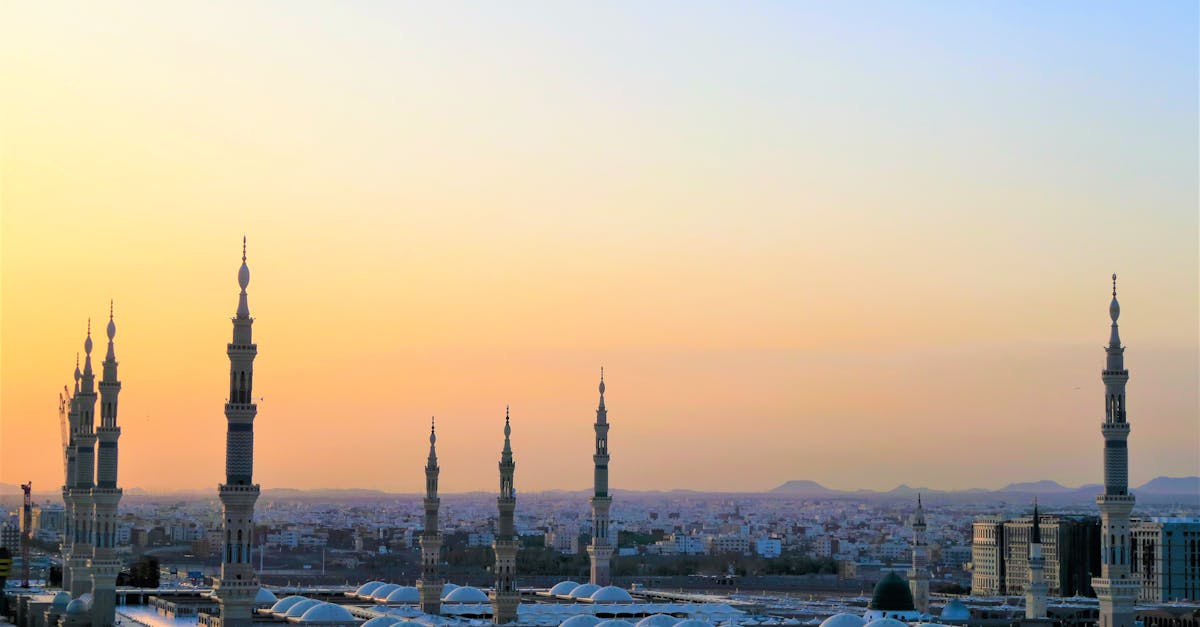
Living in Saudi Arabia
A large and influential nation in the Middle East known for its oil reserves, cultural heritage, and significant role in Islam as the birthplace of Islam and location of the Two Holy Mosques.
Next Steps
- 1Apply for the appropriate visa category through the KSA Visa online platform, ensuring you meet the specific requirements for your visa type.
- 2Secure a job offer from a Saudi employer and obtain a work visa before arriving in the country, adhering to the sponsorship system.
- 3Research and arrange for housing in Saudi Arabia, considering factors such as location, cost, and proximity to your workplace.
- 4Prepare for cultural integration by learning about Saudi customs, laws, and lifestyle to ensure a smooth transition and compliance with local regulations.
The Complete Guide to Living in Saudi Arabia
Introduction
"Enchanting Embrace"
Saudi Arabia, a nation that seamlessly merges venerable traditions with emerging modernity, epitomizes a unique cultural and economic landscape. Known for its distinctive identity, Saudi Arabia is at the forefront of showcasing and preserving its rich heritage. Bolstered by the ambitious Vision 2030 initiative, the country is focused on diversifying its economy and promoting cultural sectors, including fashion, film, visual arts, and literature. This chapter provides an insightful overview of Saudi Arabia's culture and general appeal, alongside practical advice for prospective expatriates.
Cultural Essence and Appeal
Rich Heritage and Modernization
Central to Saudi Arabia's global appeal is its vibrant culture, steeped in history and tradition. The nation upholds its cultural identity through various initiatives promoting artistic and literary expression. As part of Vision 2030, these efforts are a testament to the country's commitment to cultural preservation and innovation, positioning Saudi Arabia as a burgeoning cultural hub.
For further information, refer to the Harvard Business Review on Saudi Arabia's culture.
Economic Diversification
Saudi Arabia is recognized for its dynamic economy, which is driven by sectors such as technology, healthcare, construction, and business services. The economic landscape is rapidly evolving, offering extensive professional opportunities for skilled expatriates, especially in high-demand sectors like digital marketing, healthcare, and project management.
For detailed insights into the job market, visit Economy Middle East.
Visa and Immigration Essentials
Simplified E-Visa Process
Potential expatriates will find the visa process in Saudi Arabia notably streamlined. The nation provides an e-Visa system accessible online, facilitating tourism and business travel with options for multiple entries and stays of up to 90 days. Citizens of Gulf Cooperation Council (GCC) countries are exempt from requiring a visa for short stays.
For an exhaustive guide on the e-Visa process, refer to Visa e-Saudi.
Living Standards and Housing
Housing Options
Saudi Arabia offers diverse housing accommodations, ranging from apartments to townhouses and villas. Expatriates can explore furnished living spaces in communities such as KAUST, which provide ease of living complemented by available maintenance services.
To explore housing options, consult KAUST Housing Types.
Healthcare Overview
Blending Public and Private Care
The Saudi healthcare system is undergoing major reforms to enhance service delivery and quality, with an increased focus on privatization. While public healthcare is accessible, expatriates in the private sector are usually covered by mandatory health insurance, which enhances access to premium healthcare facilities.
For a comprehensive paper on healthcare specifics, see Migration Letters.
Language and Cultural Navigation
Overcoming Language Barriers
Arabic is the principal language in Saudi Arabia. Proficiency in Arabic is beneficial, especially within the professional realm, to ease communication and enhance employment prospects. Adapting to cultural customs is crucial, as social etiquette is intricately linked with Saudi traditions.
Conclusion
Saudi Arabia's allure lies in its harmonious balance between age-old traditions and progressive modernization. Anchored by Riyadh's Vision 2030, the country is paving a new path towards cultural and economic growth. For expatriates, the promise of a unique living experience, alongside flourishing business opportunities, crafts an enticing prospect for living and working in this enchanting nation.
Additional Resources
For those planning a move to Saudi Arabia, reputable websites such as the Harvard Business Review and Economy Middle East provide valuable insights into various aspects of living and working in the country.
Visa & Immigration
Introduction
Saudi Arabia, with its flourishing economy and deep-rooted culture, offers diverse visa options tailored to tourists, business travelers, and aspiring residents. Understanding these visa types and the application processes is crucial for anyone considering relocation.
Visa Types
Saudi Arabia provides several visa types to accommodate various purposes of visit. Here are the primary categories:
- Tourist Visa (e-Visa): Suitable for tourists, this e-Visa allows multiple entries and a stay of up to 90 days. It simplifies travel for leisure and exploration.
- Business Visa: Also available as an e-Visa, this is ideal for professionals attending meetings, conferences, or business events. It offers a similar entry and stay duration as the tourist e-Visa.
- Work Visa: For those employed by a Saudi company, this visa requires sponsorship by the employer. Unlike the e-Visa, it necessitates a more detailed application process.
- Family Visit Visa: For family members wishing to visit their relatives residing in Saudi Arabia, this visa facilitates short-term family reunions.
- Student Visa: Tailored for international students enrolling in Saudi educational institutions, requiring acceptance by a university or college in Saudi Arabia.
- GCC Resident Visa: Citizens of other Gulf Cooperation Council countries can travel visa-free, while residents may require a separate visa depending on nationality and purpose.
For more information on these visas, visit the official Visa e-Saudi resource.
Application Steps
The application process varies depending on the visa type:
E-Visa Application
- Visit the Official Portal: Navigate to the Visa e-Saudi website.
- Create an Account: Register on the e-Visa portal with a valid email address.
- Fill the Application Form: Complete the form with personal details, passport information, and travel intentions.
- Upload Required Documents: Typically, a passport-sized photo and a scanned copy of your passport.
- Pay Fees: Use an accepted credit or debit card to pay the visa fee.
- Receive Approval: Once processed, which usually takes a few days, the e-Visa approval will be sent via email.
Traditional Visa Application
- Schedule an Appointment: Contact the nearest Saudi embassy or consulate.
- Prepare Documents: Gather required documents like a valid passport, passport-sized photos, and any invitations or sponsorship documents if applicable.
- Submit the Application: Attend the appointment to submit your application and provide biometric data if required.
- Pay Fees: Pay the visa fee in the manner instructed by the embassy or consulate.
- Track the Application: Use any tracking services provided to check the status.
Pathways to Residency or Citizenship
While direct pathways to citizenship are minimal, gaining residency is possible through employment and investment:
Employment: By obtaining a work visa and fulfilling employment contracts, expatriates can secure residency permits known as Iqama. Continued employment and renewals of the work visa are needed to maintain residency.
Investor Visa: Foreign investment in Saudi real estate or businesses can lead to gaining residency. The government incentivizes foreign investment, making this a viable option for entrepreneurs and investors.
Permanent Residency Program (Green Card): Introduced to attract talent and investment, this program offers benefits similar to those of citizens. It's aimed at highly skilled professionals and investors.
Citizenship is generally less accessible, usually granted on a case-by-case basis or through special royal decrees.
In summary, understanding the types of visas, application steps, and potential pathways to residency is essential for seamless relocation to Saudi Arabia. For further guidance, consider additional information from reputable sources such as the Harvard Business Review and Economy Middle East.
Cost of Living
Overview
Saudi Arabia, known for its cultural richness and economic growth driven by Vision 2030, offers a unique living experience. When considering relocating to Saudi Arabia, understanding the cost of living is crucial, alongside recognizing housing, daily expenses, and financial comparisons with other regions.
Housing
Types of Housing
- Apartments: Common in urban areas. Options range from compact studios to expansive, luxury units.
- Townhouses and Villas: Found in suburban communities, often with more space and amenities.
- Furnished Units: Readily available in communities like KAUST, catering to expatriates.
Finding Housing
- KAUST Community: Offers well-maintained apartments, townhouses, and villas, providing amenities and maintenance services. More details: KAUST Housing.
- Rental Listings: Utilize local real estate websites and agents to explore available properties.
- Lease and Costs: Lease terms can vary but typically require a one-year commitment, with rent often paid annually or bi-annually.
Daily Expenses
Living costs in Saudi Arabia can vary greatly depending on lifestyle choices and the city you reside in. Here’s a basic breakdown:
- Groceries: Prices for essential items like bread, rice, and vegetables are generally affordable. International foods might be pricier.
- Utilities: Expect to pay for electricity, water, and internet. Costs may vary based on usage, with air conditioning being a significant expense during summer months.
- Transportation: Public transport is limited but improving. Taxis and ride-hailing apps such as Uber are popular and relatively affordable.
Financial Comparisons
Saudi Arabia's economic environment is competitive but offers several financial advantages:
- Cost Efficiency: While cities like Riyadh and Jeddah can be on the higher end, the overall cost of living in Saudi Arabia tends to be lower than Western cities.
- Taxation: Currently, Saudi Arabia enjoys a tax-friendly environment with no personal income tax. This can be a considerable benefit and should be factored into salary negotiations.
- Banking and Financial Services: The banking sector is advanced, with numerous local and international banks offering various services to expatriates.
Practical Advice
- Budgeting: Assess your monthly lifestyle costs in Saudi Arabia by considering housing, groceries, transportation, and leisure activities.
- Housing Search: Begin your search early, focusing on regions and facilities that suit your needs. Utilize online platforms and local agents.
- Culture and Etiquettes: Adapting to local customs and understanding basic Arabic can greatly enhance daily interactions.
Resources and Further Reading
- Saudi Vision 2030 and Its Implications: To understand the broader context of living in Saudi Arabia and how government policies might affect expatriates.
- Migration Letters: For more insights on the socio-economic aspects of living and working in Saudi Arabia, check the extensive analysis on migration patterns. Migration Letters Study.
- Visa Application Tips: An essential start for any newcomer to the Kingdom. Visa e-Saudi Guide.
In conclusion, moving to Saudi Arabia offers unique opportunities, especially for those prepared for its cultural and financial landscape. By understanding the cost of living and preparing accordingly, expatriates can enjoy a rewarding experience in this rapidly evolving nation.
Employment Opportunities
Overview of the Job Market
Saudi Arabia's job market is experiencing significant growth, largely driven by the ambitious Vision 2030 initiative, which seeks to diversify the economy beyond oil. With the country's commitment to modernization, there is a growing demand for skilled professionals, particularly in high-demand sectors such as technology, healthcare, construction, digital marketing, and project management. According to Economy Middle East, these sectors offer numerous opportunities for both local and international job seekers.
High-Demand Industries
Technology: As Saudi Arabia advances its digital transformation goals, opportunities abound in software development, cybersecurity, data science, and artificial intelligence. The government is investing heavily in tech infrastructure, creating a fertile ground for tech professionals.
Healthcare: With a focus on privatizing and expanding healthcare services, there is an increased demand for healthcare professionals, including doctors, nurses, medical technicians, and healthcare administrators. The rise of health tech startups also creates niches for tech-savvy healthcare workers.
Construction: As part of Vision 2030, several mega-projects, such as NEOM and the Red Sea Project, are underway, requiring engineers, architects, project managers, and skilled laborers.
Digital Marketing: With businesses placing more emphasis on their online presence, there is a growing need for digital marketers, SEO specialists, and content creators.
Hospitality: As Saudi Arabia opens up to tourism, the hospitality sector is booming, requiring professionals in hotel management, event planning, and culinary arts.
Work Regulations
Saudi Arabia's labor market is governed by regulations that emphasize the employment of Saudi nationals. This Saudization policy encourages companies to hire Saudi citizens and often requires businesses to meet specific quotas of Saudi employees. However, expatriates still play a crucial role in the workforce, particularly in specialized roles.
Working Hours: The standard workweek is Sunday through Thursday, usually spanning 40-48 hours. During Ramadan, working hours for Muslim employees are reduced.
Contracts: Employment contracts must be in Arabic, outlining compensation, benefits, and work conditions. It's advisable to get translations and confirmations in English for clarity.
Employment Visas: International workers typically require a work visa sponsored by a Saudi employer. The visa process involves documentation from both the employer and the employee, and the Visa e-Saudi guide provides detailed steps on acquiring a work permit.
Practical Advice
Networking: Engage with professional networks and online platforms like LinkedIn to connect with potential employers. Expats often find opportunities through contacts made within local business communities.
Language Proficiency: While business is commonly conducted in English, proficiency in Arabic can significantly enhance job prospects and facilitate better workplace integration. Consider taking language courses to improve your Arabic skills.
Research Employers: Before accepting a job offer, research the organization thoroughly. Understand their Saudization status and ensure they have a solid reputation among expatriate communities.
Professional Development: Leverage online courses and certifications to enhance your skills, making you a more competitive candidate in the evolving Saudi job market.
Conclusion
Saudi Arabia presents a dynamic and evolving job market, with rich opportunities across various industries. By navigating the employment landscape with an understanding of high-demand sectors and work regulations, expatriates can successfully integrate into the workforce. With the ongoing transformations under Vision 2030, Saudi Arabia is poised to become a hub for professional growth and innovation.
Housing & Accommodation
Introduction
Relocating to Saudi Arabia presents an opportunity to explore a vibrant culture and growing economy. Whether you're moving for work or leisure, finding the right housing is crucial for a successful transition. This chapter provides a comprehensive guide on how to find and secure housing in Saudi Arabia, along with insights into typical lease terms.
Finding Housing
1. Types of Housing:
- Apartments: Widely available in urban areas; ideal for singles or small families.
- Townhouses: Offer more space and privacy, suitable for families.
- Villas: Typically found in gated communities, these offer larger living areas and amenities.
For options near academic or business centers, explore communities like KAUST, which offer apartments, townhouses, and villas with maintenance arrangements. Visit KAUST Housing for more information.
2. Online Platforms:
- Haraj: A popular online marketplace that lists various rental properties.
- OpenSooq: Another platform catering to real estate listings across different cities.
- Bayut: Provides comprehensive listings with detailed property information and images.
3. Real Estate Agents:
- Hiring a reputable real estate agent can streamline the search process, especially if you're unfamiliar with the local housing market. They can provide insights into neighborhoods, pricing, and legalities.
Securing Housing
1. Initial Considerations:
- Budget: Define what you can afford, considering additional costs like utilities and maintenance.
- Location: Proximity to work, schools, healthcare, and entertainment should influence your choice.
2. Lease Terms:
- Duration: Typical lease terms range from six months to a year. Ensure flexibility in the contract if your stay is uncertain.
- Rent Payment: It's common to pay rent quarterly or every six months. Be prepared for advance payment upon contract signing.
- Security Deposit: Expected to be around one to three months' rent, refundable at the lease term's end, pending no damages.
- Renewal and Termination: Understand the terms for renewals and notice periods for termination to avoid unnecessary penalties.
3. Legal Aspects:
- Ensure the lease agreement is documented in both Arabic and English.
- Verify the property owner's details and authorization to lease the property.
- Use contracts vetted by local authorities or legal experts to ensure compliance with Saudi housing laws.
Practical Advice
1. Inspection:
- Conduct thorough property inspections before signing any agreements. Assess the condition of facilities and request any repairs if necessary.
2. Local Etiquette:
- Understand the cultural nuances of living in a Saudi neighborhood, including privacy expectations and community interactions.
3. Financial Transactions:
- Opening a local bank account can facilitate easier rent payment. Verify if your landlord accepts electronic transfers or prefers cash.
Conclusion
Housing in Saudi Arabia offers diverse options catering to various needs and lifestyles. Thorough research, coupled with understanding lease terms and local customs, can significantly ease your transition. Utilize reputable online resources and local services to make informed decisions and secure a comfortable living arrangement.
For additional insights into Saudi culture and employment opportunities, refer to these resources:
Healthcare System
Overview
Navigating the healthcare system in Saudi Arabia involves understanding the distinction between public and private healthcare services. This chapter provides insights into the different healthcare options available, including insurance considerations and the quality of healthcare facilities to help you make informed choices when relocating.
Public vs. Private Care
Saudi Arabia's healthcare system operates through both public and private sectors, with a significant focus on privatization as part of the Vision 2030 initiative. Here’s how they differ:
Public Healthcare:
Eligibility: Primarily accessible to Saudi citizens and public sector employees.
Services: Provides comprehensive healthcare services, including primary care, specialized treatments, and emergency services.
Cost: Generally funded by the government, offering free or low-cost services.
Private Healthcare:
Eligibility: Available to expats and those preferring quicker access to medical services.
Services: Includes advanced medical care, a wider range of healthcare choices, and state-of-the-art facilities.
Cost: Services are typically more expensive, necessitating private health insurance for coverage.
Vision 2030 aims to enhance and expand the private sector’s role, improving efficiency and patient experience across the board.
Actionable Tips:
- Public Facilities: If eligible, public healthcare provides a cost-effective solution with established services.
- Private Care Preference: Consider private care for shorter wait times and access to specialized services.
Insurance Options
In Saudi Arabia, health insurance is a mandatory element for expatriates and is increasingly important for accessing private healthcare services. Here are your options:
- Company-Provided Insurance: Most employers in the private sector provide health insurance as part of employment benefits. Understand the specifics of your policy.
- Private Insurance Plans: Options are available that cover both public and private healthcare services. Ensure the plan fits your family's needs and budget.
- Factors to Consider:
- Network hospitals covered by your insurance provider.
- Services include outpatient, inpatient, dental, and optical.
- The cap on medical claims and co-payment requirements.
Actionable Tips:
- Review Employment Packages: Assess whether the insurance provided by your employer is comprehensive enough.
- Shop for Plans: Consider purchasing additional coverage if necessary; comparison websites can aid in evaluating options.
Quality of Facilities
Healthcare facilities in Saudi Arabia are continually improving, emphasizing accessibility and equitable healthcare. Overall, the quality of facilities varies between public and private institutions:
- Public Hospitals: Equipped with essential medical infrastructure, though demand can sometimes strain resources.
- Private Hospitals & Clinics: Often feature superior amenities, shorter waiting times, and cutting-edge technology. They are staffed by international medical professionals offering specialized care.
Real-World Considerations:
- Proximity: Choose accommodations close to reputed hospitals or clinics, especially if regularly required for ongoing treatments.
- Emergency Services: Verify the nearest hospital’s response capacity to emergencies.
Useful Links:
By understanding the intricacies of the healthcare system, you can tailor your choices to fit your healthcare needs and ensure a smooth transition to living in Saudi Arabia.
Taxes & Finances
In this chapter, we'll explore the nuances of the tax system, banking facilities, and foreign tax obligations for anyone considering relocating to Saudi Arabia. Understanding these factors is crucial for a smooth transition and financial planning.
Local Tax Structures
Overview
As part of its economic diversification under Vision 2030, Saudi Arabia has implemented various tax reforms. However, the country is unique in its approach to personal income tax.
Income Tax
- Personal Income Tax: Saudi Arabia does not levy personal income tax on individuals. This makes it an attractive destination for foreign workers seeking to maximize their earnings.
- Indirect Taxes: While there's no income tax, residents are subject to other forms of taxation, such as:
- Value-Added Tax (VAT): Implemented in 2018, VAT is currently set at 15%. It applies to goods and services, impacting the cost of living and business operations.
- Zakat: This is a religious wealth tax applicable to Muslim individuals and businesses.
Corporate Tax
- General Corporate Tax: The standard corporate tax rate is 20% for non-Saudi/GCC entities. Companies engaged in oil and hydrocarbons may face higher rates.
- Exemptions: GCC nationals and businesses are often exempt from income taxes, aligning with regional cooperative agreements.
For further details on tax rules, visit the General Authority of Zakat and Tax.
Banking
Banking Infrastructure
Saudi Arabia's banking system is robust and modern, with numerous international banks operating within the region.
- Local Banks: Major banks include Al Rajhi Bank, National Commercial Bank, and Riyad Bank, offering comprehensive services for personal and business banking.
- International Banks: HSBC Saudi Arabia, Citi, and JPMorgan are some international banks providing services tailored for expatriates and corporations.
Setting Up a Bank Account
Opening a bank account is relatively straightforward but requires documentation:
- Required Documents:
- Iqama (residency permit)
- Passport copy
- Letter of employment or proof of income
Online and Mobile Banking
Banks provide advanced online and mobile banking solutions, facilitating easy transactions, utility payments, and inter-bank transfers.
Foreign Tax Obligations
Double Taxation Agreements (DTAs)
Saudi Arabia has signed DTAs with several countries to mitigate the risk of double taxation on international income. This is beneficial for expatriates, as it ensures income earned in Saudi Arabia isn't taxed again in their home countries.
U.S. Citizens and Other Nationalities
- U.S. Citizens: Required to file a U.S. tax return regardless of their residence, although they can often offset their tax liabilities through the Foreign Earned Income Exclusion (FEIE) and Foreign Tax Credit (FTC).
- Other Nationalities: Should consult with tax advisors to understand their specific obligations based on dual taxation treaties between Saudi Arabia and their home country.
For tax filing assistance and professional advice, consider consulting with international tax experts or your home country’s embassy in Saudi Arabia.
Practical Considerations
- Understand VAT's Impact: While personal income tax is nonexistent, VAT can affect daily expenses. Budget with the 15% VAT in mind.
- Secure Zakat Clearance: For Muslim residents, understanding and fulfilling zakat obligations can affect financial compliance.
- Consult Tax Professionals: Especially for expatriates, obtaining advice from an international tax consultant is advisable to navigate home country tax laws and potential benefits from DTAs.
Understanding the economic environment, from taxes to banking services, is part of making informed decisions when moving to Saudi Arabia. For continued updates and specific news on tax policies, keep an eye on reputable financial news outlets and the official Saudi tax authority's announcements.
Moving Logistics
Relocating to Saudi Arabia requires careful planning and execution to ensure a smooth transition. This chapter provides detailed insights into the logistics of moving, covering packing and shipping tips, necessary documentation, and guidelines for pet relocation.
Packing and Shipping Tips
Moving internationally involves meticulous packing and shipping to safeguard your belongings. Follow these actionable tips to simplify your moving process:
- Declutter and Organize: Start by sorting your belongings. Dispose of or donate items you don't need. This helps reduce moving costs and simplifies unpacking.
- Hire Professional Packers: Consider hiring packing professionals to ensure your items are securely packed, especially fragile and valuable ones. They are trained to maximize space and minimize breakages.
- Use Quality Materials: Invest in sturdy boxes, bubble wrap, packing paper, and strong tape. Label each box clearly with its contents and room designation for easier unpacking.
- Create an Inventory List: Make a detailed inventory list of all packed items. This helps in managing your belongings and is crucial for insurance purposes.
- Choose a Reliable Shipping Company: Research shipping companies to find one with a good reputation and experience in international relocations. They should offer tracking services and handle customs clearance.
- Understand Customs Regulations: Familiarize yourself with Saudi customs regulations to avoid any issues. Prohibited items include alcohol, firearms, and pork products.
Necessary Documentation
When moving to Saudi Arabia, you will need a comprehensive set of documents to ensure legal entry and settlement. Below is a checklist of critical documents to prepare:
- Passport: Ensure your passport is valid for at least six months from your planned entry date.
- Visa: Obtain an appropriate visa. Business and tourism visas can be applied for online via the Saudi e-Visa portal refer to Visa e-Saudi.
- Residence Permit (Iqama): If you plan to stay longer for work or business, an Iqama is essential. Your employer usually assists with this process.
- Health Insurance Certificate: Health insurance is mandatory, especially for those entering the private sector. Ensure you have comprehensive coverage before arrival refer to Migration Letters.
- Proof of Accommodation: Prepare a rental agreement or confirmation of temporary housing arrangements.
- Employment Contract: For professionals relocating for work, a signed employment contract is vital.
- Travel Insurance: Secure travel insurance to cover any unforeseen events during your journey.
Pet Relocation Info
Moving with pets to Saudi Arabia requires special attention to regulations and health requirements. Here’s a guide to help you relocate your furry companions:
- Check Import Regulations: Confirm the specific regulations for importing pets, as Saudi Arabia has strict rules regarding breeds and species allowed.
- Vaccinations and Health Certificates: Ensure your pet is up-to-date on vaccinations, including rabies. Obtain an official health certificate from a licensed veterinarian close to the date of travel.
- Microchip Requirement: Your pet should have an ISO-compliant microchip for identification.
- Import Permit: Obtain an import permit from the Saudi Ministry of Agriculture. This can usually be facilitated through an experienced pet relocation service.
- Plan for Quarantine: Understand that some pets may be subjected to quarantine upon arrival. Contact the relevant Saudi authorities to confirm the current policy.
- Airline and Travel Arrangements: Confirm your airline’s pet travel policies and book a pet-friendly flight. Make sure your pet travel crate meets IATA requirements for air travel.
By following these guidelines, your transition to Saudi Arabia can be smooth and well-organized, ensuring that you, your belongings, and your pet arrive safely and promptly.
Language & Communication
Overview of Language Barriers
Saudi Arabia, renowned for its rich cultural fabric and rapid economic growth, uses Arabic as its official language. Proficiency in Arabic can significantly enhance your integration into the society and job market. While English is widely spoken, especially in business and urban settings, understanding basic Arabic can improve day-to-day interactions and enhance cultural appreciation.
Assessing Language Barriers
Public Life: Arabic is predominant in public life, including government documents and public signs. While English is often used in city centers, knowing Arabic is beneficial when dealing with local businesses and services.
Professional Environment: English proficiency is commonplace in multinational corporations and sectors such as technology and healthcare. However, for jobs involving public services or local enterprises, Arabic may be essential.
Language Learning Resources
To bridge the language divide, consider utilizing the following resources:
Language Schools: Look for language institutions offering courses in Arabic. Some renowned options include Berlitz (https://www.berlitz.com) and Middlebury Language Schools (https://www.middlebury.edu/language-schools).
Online Platforms: Platforms such as Duolingo (https://www.duolingo.com) offer free online courses tailored to beginners. Rosetta Stone (https://www.rosettastone.com) provides a structured approach to Arabic learning.
Local Tutors and Community Classes: Engaging a local tutor for personalized learning can be particularly effective. Community centers often offer classes, fostering both language skills and cultural integration.
Enhancing Communication
Practice: Engage with native speakers to enhance language skills and boost confidence. Consider language exchange meetups or clubs.
Utilize Technology: Translation applications such as Google Translate can assist in the short term for basic communication while you're still learning Arabic.
Understanding Local Etiquette
Respecting local customs and etiquette is as vital as speaking the language. Here's what you should bear in mind:
Communication Style: Saudis value politeness and formality. Start conversations with greetings and show respect by using titles such as "Mr." or "Mrs." followed by the first name.
Body Language: Non-verbal cues are significant. For example, standing too close or directing the soles of your shoes toward someone may be perceived as disrespectful.
Gender Interaction: Social etiquette often varies for interactions between men and women. Handshakes might not be appropriate in mixed-gender settings unless initiated by the female.
Hospitality: Accept offers of coffee or refreshments as a sign of respect and camaraderie during interactions or visits.
Practical Tips for Cultural Adaptation
Participate in Cultural Experiences: Engage in local cultural activities such as traditional festivals to understand social customs.
Cultural Understanding Workshops: Attend workshops or seminars offered by expat communities and cultural organizations to familiarize yourself with the nuances of Saudi culture.
To ensure a smoother transition, remember that learning a language and adapting to a new culture is a gradual process. Embrace the journey with patience and openness. By blending linguistic skills with cultural knowledge, you forge meaningful connections and enrich your experience in Saudi Arabia.
For more insights into the vibrant culture and societal dynamics in Saudi Arabia, visit Harvard Business Review's dedicated segment: The Vibrant Culture of Saudi Arabia Today.
Cultural Adaptation
Introduction
Cultural adaptation is a crucial aspect of relocating to any country, and Saudi Arabia is no exception. With its distinctive social customs, community dynamics, and unique challenges related to culture shock, understanding and preparing for cultural adaptation can enhance your experience and integration into Saudi life. This chapter provides insights into navigating these cultural nuances effectively.
Social Customs
Saudi Arabia's social customs are deeply rooted in Islamic traditions, influencing various aspects of daily life and interactions.
- Greetings: Greetings are formal, with "As-salamu alaykum" (peace be upon you) being the standard greeting accompanied by a handshake. Always wait for the other party to extend their hand first.
- Dress Code: Modesty is key. Men typically wear a "thobe," while women wear an "abaya." Non-Muslim women are not required to wear a hijab but should dress modestly.
- Gender Segregation: Gender segregation is common in public spaces such as restaurants and banks. Understanding and respecting these practices is important.
- Prayer Times: The call to prayer happens five times daily, and businesses may close temporarily during these periods to allow for prayer.
- Gift Giving: When visiting a Saudi home, it is customary to bring a small gift. Avoid alcohol or pork products, as they may offend.
Community Integration
Successful adaptation in Saudi Arabia often involves active engagement with local communities.
- Participate in Community Events: Engage in local cultural events and festivals, such as the Janadriyah National Festival, which highlights Saudi Arabian culture.
- Learn the Language: Arabic proficiency can greatly enhance your integration. Consider enrolling in language courses or using language apps.
- Join Expat Groups: Connect with expat communities for support and networking opportunities. Platforms like Internations offer networks in Riyadh and Jeddah.
- Volunteer: Volunteering for local causes can provide deeper cultural insights and offer a sense of belonging.
- Attend Religious or Cultural Gatherings: Respectfully attending these gatherings can enrich understanding and appreciation of Saudi culture.
Managing Culture Shock
Culture shock is a normal part of the adaptation process, and managing it effectively can lead to a more fulfilling experience.
- Be Open-Minded: Approach cultural differences with curiosity rather than judgment. Embrace new experiences and maintain a flexible attitude.
- Educate Yourself: Prior to moving, educate yourself about Saudi customs and societal norms. Resources like Harvard Business Review can offer valuable insights.
- Create a Routine: Establishing a normal routine helps in creating a sense of normalcy and stability amidst the change.
- Seek Support: Utilize services like counseling or support groups if feelings of culture shock become overwhelming. Online platforms or local groups can provide such services.
- Stay Connected: Maintain connections with friends and family back home through regular communication, while also building a local support network.
Conclusion
Adapting to the cultural environment in Saudi Arabia requires a blend of understanding, respect, and active engagement with local customs and communities. By preparing for social customs, integrating into the community, and managing culture shock thoughtfully, you can navigate the cultural landscape of Saudi Arabia more smoothly and enrich your expatriate experience. Understanding these elements not only eases your transition but also enhances your appreciation of Saudi Arabia’s vibrant and diverse culture.
Essential Resources
In the journey of relocating to Saudi Arabia, having access to essential resources can significantly ease the transition while ensuring your safety and integration into the local community. Below is a compilation of emergency contacts, reputable resources, and a brief directory of local services to aid your relocation process.
Emergency Contacts
In any new country, knowing the emergency contact numbers is crucial for safety and peace of mind. Here are the essential emergency numbers in Saudi Arabia:
- Police Emergencies: 999
- Fire Department: 998
- Ambulance Services: 997
- Traffic Accidents: 993
- Tourism Call Center: 930
Make sure to save these numbers in your phone and keep a printed copy in an accessible place.
Reputable Websites
Accessing trustworthy information is key to a smooth transition. Here are several reputable websites that provide insights into different aspects of living in Saudi Arabia:
Harvard Business Review - Offers insights into the vibrant culture of Saudi Arabia:
Harvard Business ReviewEconomy Middle East - Discusses economic trends and job market conditions:
Economy Middle EastKAUST Housing - Details housing options and living arrangements:
KAUST HousingMigration Letters - Academic and research articles on migration-related topics:
Migration LettersVisa e-Saudi - Comprehensive guide to Saudi Arabia's e-Visa application:
Visa e-Saudi
These resources provide valuable information on cultural, economic, housing, and visa-related matters, assisting both in preparation and the settling-in phase.
Brief Directory of Local Services
Familiarizing yourself with local services can facilitate aspects of daily life, from healthcare to community services. Here is a directory of essential services in Saudi Arabia:
Healthcare Services
King Abdulaziz Medical City: One of the most prestigious hospitals offering comprehensive services.
WebsiteThomson Hospital: Known for excellent private healthcare facilities in Riyadh.
Website
Banking Services
Saudi National Bank: Offers a range of financial services for both locals and expatriates.
WebsiteRiyad Bank: Provides diverse banking solutions with numerous branches across the country.
Website
Telecommunication Services
Saudi Telecom Company (STC): Leading provider of telecommunications services.
WebsiteMobily: Offers various mobile and internet packages.
Website
Educational Services
International Schools Group (ISG): Offers world-class education for expatriate students.
WebsiteBritish International School Riyadh: A well-regarded institution for expatriate families.
Website
Understanding and utilizing these essential resources will provide you with a sound foundation in navigating life in Saudi Arabia, allowing you to focus on integrating and enjoying your new environment.