
Next Steps
- 1Apply for a visa through the Pakistan Online Visa System by creating an account and submitting the required application and fees.
- 2Search for job opportunities in Pakistan that match your skills and experience, and consider networking with professionals in your field.
- 3Research housing options in Pakistan, including renting or buying property, and consider factors such as location, cost, and safety.
- 4Learn about Pakistani culture and customs to facilitate integration, and consider joining expat groups or community organizations to build connections.
The Complete Guide to Living in Pakistan
Pakistan, a nation steeped in history and culture, endowed with diverse landscapes, offers a unique fusion of modern and traditional allure. Its rich tapestry of cultural heritage, ranging from bustling urban centers to serene rural areas, makes it an intriguing destination for expatriates and travelers alike. Boasting a population of 241.5 million as of 2023, Pakistan presents a dynamic blend of educational and professional opportunities, particularly in cities like Islamabad, which are recognized for their reputable educational institutions and burgeoning professional scene.
Culture and Heritage
Diverse Cultural Mosaic
Pakistan's culture is a vibrant amalgamation of influences from its historic empires and neighboring regions. Traditional attire such as shalwar kameez is common, yet urban centers often see contemporary fashion as well. Cultural festivals, such as Basant and Eid, provide a glimpse into the nation's festive spirit and communal life.
Languages
The official language is Urdu, spoken widely across the country, while English is utilized extensively in business and education sectors. This bilingual proficiency aids in reducing language barriers for English-speaking expatriates and students.
Geographic and Urban Appeal
Urban Centers
Islamabad, the capital city, is known for its scenic beauty and modern infrastructure. It draws expatriates and students for its academic institutions and robust job market. Other notable cities include Lahore, famous for its historical sites, and Karachi, Pakistan's economic hub.
Rural Landscapes
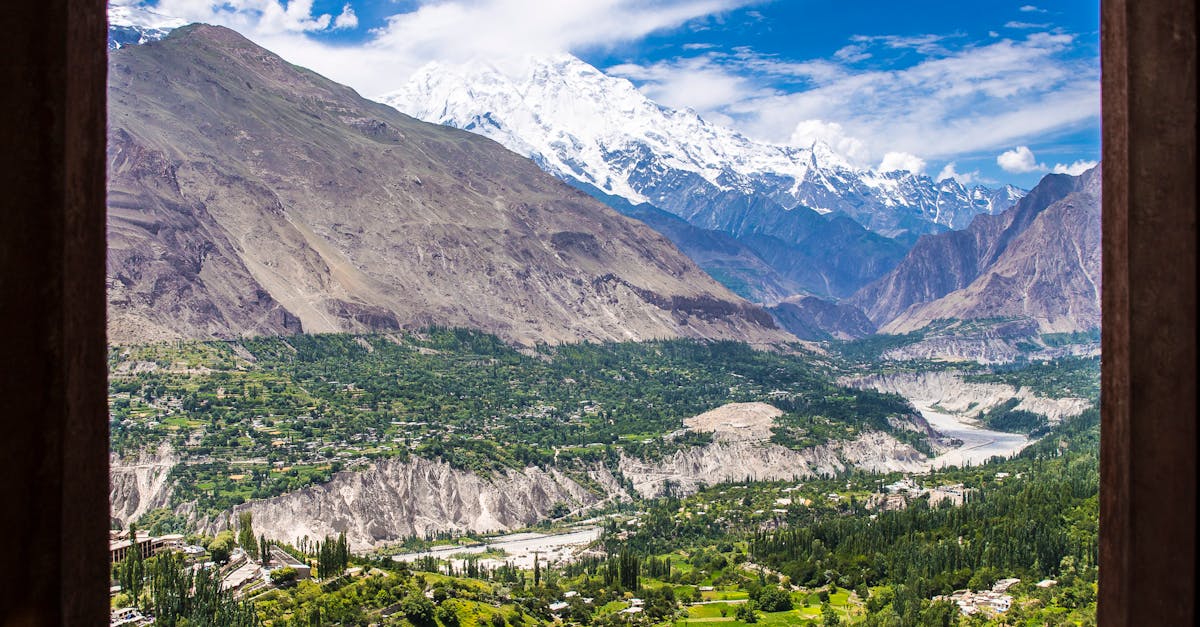
Outside urban sprawls, Pakistan showcases vast rural expanses, with breathtaking landscapes ranging from the lush greenery of the Punjab plains to the stark beauty of Baluchistan province. These areas offer opportunities for adventure tourism and cultural exploration.
Visa and Immigration
Pakistan offers a range of visa categories tailored to specific needs, such as work, business, tourism, and study visas. The Pakistan Online Visa System NADRA simplifies the application process:
- Create an account on the portal.
- Complete the application form.
- Pay the necessary fees.
- Submit the application.
For work visas, a valid job offer from a Pakistani institution is essential, and such visas can be extended to allow for multiple entries over a two-year period [5].
Cost of Living and Housing
Housing
In Islamabad, housing costs vary significantly. A 1 BHK accommodation outside the central zone ranges between 15,000 to 50,000 PKR, while upscale neighborhoods such as DHA Islamabad and Sector I-8 cost between 30,000 to 200,000 PKR [3]. When seeking accommodation, consider areas like E-11 and G-13 for the balance between cost and convenience.
Daily Expenses
While detailed daily expense data is sparse, housing costs provide a benchmark. Islamabad and major cities tend to have higher living costs in contrast to rural areas.
Employment and Economic Opportunities
Job Market
Pakistan’s economy thrives on sectors such as manufacturing, financial services, and transportation [1]. International professionals may find opportunities especially in these burgeoning fields, aligned with the private industry's expansion.
Work Regulations
A valid work visa is mandatory for foreign nationals to engage in professional activities. Employment letters and necessary documentation must comply with the NADRA guidelines [2].
Healthcare System
Pakistan's healthcare system consists of a mix of public and private providers, with approximately 70% of healthcare accessed privately. Although the quality of care is superior in private institutions, costs are typically borne out-of-pocket by patients [4]. Future expatriates may want to explore private health insurance options to mitigate expenses.
Practical Tips for New Arrivals
Preparing for the Move
- Documentation: Ensure all documents such as passports, employment letters, and proof of legal residence are prepared for visa applications.
- Language: Learning some basic Urdu phrases can facilitate daily communication, though English is often sufficient in urban areas.
Cultural Adaptation
Engagement with Pakistan’s rich cultural heritage can ease integration. Participating in local festivals and events helps in building community ties and understanding social customs.
For those considering a move to Pakistan, the blend of historical richness, cultural diversity, and economic potential presents both exciting opportunities and challenges. Thorough preparation and an open mind will aid in a smooth transition to life in this dynamic country.
For more comprehensive information and assistance with planning your move, visit the NADRA Visa Website here.
Visa & Immigration Requirements
Navigating the visa and immigration landscape is a crucial first step when considering relocation to Pakistan. This chapter offers a detailed look into the visa types, application processes, as well as pathways to residency or citizenship, allowing you to make informed decisions and streamline your move to this vibrant country.
Visa Types
Pakistan provides a range of visa categories tailored to various needs. These include:
Work Visa: Designed for foreign nationals with a valid job offer in Pakistan. This visa grants entry for employment purposes and can be extended up to two years with multiple entries.
Business Visa: Allows for business activities in Pakistan. Applicants often need to provide documentation supporting their business intentions and affiliations.
Tourism Visa: Meant for individuals wishing to explore Pakistan for leisure and cultural experiences.
Study Visa: For students enrolled in Pakistani educational institutions. Requires confirmation of enrollment and other academic credentials.
Each visa category has specific requirements, so it is important to choose the one aligning best with your intended purpose in Pakistan.
Application Steps
The application process for a Pakistani visa is structured and can be accomplished through the Pakistan Online Visa System. Follow these steps:
Create an Account: Visit the Pakistan Online Visa System and create a user account.
Complete the Application: Log in to your account and fill out the relevant visa application form, ensuring all information is accurate and complete.
Pay Fees: Pay the visa processing fee using the online portal. Fees vary based on the visa type and your country of origin.
Submit Application: Once all details are completed and payment is made, submit the application.
Track Application: Use the online system to check the status of your application regularly.
For detailed guidelines, consult the NADRA Visa Website.
Pathways to Residency or Citizenship
As of the current information available, Pakistan does not offer a specific long-term residency or direct citizenship pathway through a standard visa application. However, work visas can be extended, offering multiple entries over a two-year period. It is advisable to consult local legal experts or immigration consultants for the most up-to-date and comprehensive advice regarding long-term residency or possible pathways to citizenship in Pakistan.
Practical Considerations
Gather Necessary Documents: For all visa applications, prepare essential documents such as a valid passport, recent photographs, employment letters (for work visas), and proof of legal residence.
Job Offer Letters: Work visa applicants must provide an official job offer letter. Employers are also required to offer tax certification to accompany the application.
Consult Experts: Consider seeking advice from immigration consultants familiar with Pakistani regulations to ensure smooth handling of complex or unique cases.
This well-defined understanding of Pakistan's visa and immigration requirements will prepare you to effectively plan your relocation. By carefully selecting the appropriate visa type and adhering to the application protocols, you can make a convincing case for your entry and stay in Pakistan, whether for work, study, or exploration.
For further information and specific visa queries, please refer to the NADRA Visa Website, or consider engaging with the Board of Investment for professional assistance.
Cost of Living
In this chapter, we will explore the cost of living in Pakistan, focusing on housing, daily expenses, and financial comparisons. This information aims to provide valuable insights for potential expatriates, students, and professionals considering relocating to Pakistan.
Housing Costs
Housing is a significant cost for anyone planning to live in Pakistan. The cost of accommodation varies widely, depending on a range of factors such as city, location within the city, and the type of housing.
- Islamabad:
- City Center: In Islamabad, areas like DHA Islamabad and Sector I-8 are popular among expats. A one-bedroom apartment in these areas can range from 30,000 to 2 lakhs PKR per month.
- Outside City Center: In more suburban areas, a similar apartment could cost between 15,000 to 50,000 PKR per month.
- Finding Accommodation: Websites like Expat Info Desk can help with listings and offer guidance on lease terms.
Daily Expenses
While specific data on daily expenses is not provided, housing costs indicate the overall cost of living. Here are some approximate figures to consider when budgeting:
- Groceries: Local produce and staples are generally affordable, but imported goods can be more expensive.
- Transportation: Public transportation is cheap but can be crowded. Private transport (ride-sharing services) is relatively more expensive but convenient.
- Utilities: Expect to allocate a moderate budget for electricity, water, and internet, the latter being variable based on the speed and provider.
Financial Comparisons
When comparing costs, it's essential to convert expenses to a common currency like USD or EUR. Currently, the exchange rate can fluctuate, so keeping up to date with current rates is crucial for financial planning.
- Cost Versus Salary Income: It is often observed that western expats might find the cost of living in Pakistan more economical than in their home countries, especially when their salaries are benchmarked against local incomes.
- Tax Implications: While specific tax structures aren't detailed in the references, it's noted that employers should provide tax certifications necessary for visa applications (refer to the NADRA Visa Website).
Practical Considerations
When considering relocation to Pakistan, consider these actionable tips:
- Research Visa Requirements: Understand the visa category that suits your needs—work, study, or business, and follow the application steps on the NADRA Visa Website.
- Budgeting Tools: Use online tools and resources to draft a preliminary budget before relocating. Adjust this budget based on real-time exchange rates and personal expense habits.
Conclusion
Moving to Pakistan can offer a culturally rich and professionally rewarding experience. However, understanding the financial landscape—especially living costs—is critical. By meticulously planning your expenses and income, you can manage and enjoy life in one of South Asia's unique and vibrant countries.
Employment Opportunities
Introduction
Pakistan is a country rich in cultural heritage, with a developing economy that offers a myriad of employment opportunities, particularly in its urban centers. As Pakistan continues to grow and develop, there are significant prospects for expatriates seeking to build a career in this dynamic environment. This chapter provides a comprehensive guide to understanding the job market, high-demand industries, and the work regulations you must consider if you plan on working in Pakistan.
The Job Market
Pakistan's diverse economy is driven by both the public and private sectors. The job market is influenced by various industries, including manufacturing, financial services, agriculture, and information technology. Each of these sectors offers unique opportunities that expatriates can explore.
- Manufacturing: As one of the largest sectors, it includes textiles, cement, and food processing. The demand for skilled workers in these areas is steadily growing.
- Financial Services: With a burgeoning financial industry, there are opportunities in banking, insurance, and investment firms, particularly for those with international experience.
- Information Technology: Emerging as a vital sector, IT offers roles in software development, cybersecurity, and digital marketing.
For more detailed statistics on Pakistan's economy and job market, refer to the Economy of Pakistan on Wikipedia.
High-Demand Industries
While Pakistan has several thriving industries, some sectors hold particular promise:
- Technology and IT: With increasing global outsourcing, there is a high demand for software engineers, developers, and IT specialists.
- Education: English-speaking expatriates will find prospects in teaching at international schools and universities.
- Healthcare: There is a growing need for medical professionals in private and public healthcare facilities.
Expatriates should explore industry-specific job platforms and local recruitment agencies that specialize in these fields.
Work Regulations
To legally work in Pakistan, expatriates must secure a valid work visa. Here is the process:
Work Visa Application:
Create an account on the Pakistan Online Visa System.
Complete the application form, which requires submission of employment letters and sponsorship documents from your prospective employer.
Pay the applicable visa fees.
Submit the completed application for processing.
Visa Duration and Renewal:
Work visas can be extended for up to two years, allowing multiple entries.
Employer Responsibilities:
Employers in Pakistan must provide tax certification for their foreign employees.
For a step-by-step guide on visa applications, visit the NADRA Visa Website.
Practical Advice
- Job Search: Prior to moving, reach out to recruitment agencies or apply directly to companies that cater to international employees.
- Networking: Join expatriate groups and attend industry-specific meetups in cities like Islamabad for networking opportunities.
- Cultural Considerations: Understanding Pakistan's work culture and etiquette can play an essential role in professional success and integration. Fluent Urdu or English proficiency will be beneficial.
Conclusion
Navigating the employment landscape in Pakistan requires a sound understanding of the job market and adherence to local work regulations. As you explore employment opportunities in Pakistan, leverage the vibrant economic sectors and growing industries. By securing the right legal permits and strategically searching for opportunities, expatriates can find rewarding careers in Pakistan. For more information on investing and economic opportunities, visit the Board of Investment.
This chapter aims to equip you with the knowledge and tools needed to effectively plan your career transition to Pakistan. With thorough research and preparation, working in Pakistan can be a fulfilling endeavor.
Housing & Accommodation
Overview
Navigating the housing and accommodation landscape in Pakistan can be an enriching experience, offering diverse options tailored to various needs and budgets. This chapter provides practical advice on finding and securing accommodation in Pakistan, focusing primarily on urban centers such as Islamabad.
Types of Housing
In Pakistan, potential residents can choose from various types of accommodation:
- Apartments: Popular in urban areas, providing a range of options from budget-friendly to luxurious.
- Houses: Standalone houses are common in suburban areas and can vary greatly in size and amenities.
- Shared Accommodations: Ideal for students and young professionals looking for cost-effective living arrangements.
Finding Housing
Finding suitable accommodation in Pakistan involves several steps and considerations:
Research Online Listings: Use online platforms such as Zameen.com or Lamudi.pk to browse available properties based on your preferences and budget.
Engage Real Estate Agents: Consider working with a local real estate agent who can provide insights into the best neighborhoods and help negotiate terms. Referrals from local contacts or expat networks can help find reliable agents.
Visit Neighborhoods: If possible, visit the neighborhoods you are interested in to get a feel for the environment, accessibility to services, and community atmosphere.
Consider Proximity to Work and Amenities: Choose a location that minimizes your daily commute and offers easy access to essential services such as schools, hospitals, and shopping centers.
Evaluate Security and Infrastructure: Check local security levels and the quality of infrastructure, including water, electricity, and internet services.
Securing Accommodation
Once you've found potential properties, securing accommodation in Pakistan involves the following key steps:
Negotiation: Rent and lease terms can be negotiable based on market trends and property specifics. Be prepared to discuss terms with landlords or agents.
Documentation: Typically, you will need to provide copies of your identification and visa, along with references or employment proof.
Lease Agreement: Ensure a formal lease agreement is drafted, clearly detailing rental terms, security deposit, maintenance responsibilities, and payment schedules. It is advisable to have the lease reviewed by a legal professional.
Security Deposit: This usually ranges from one to three months’ rent. Confirm the terms for security deposit refunds at the end of the lease.
Typical Lease Terms
Lease agreements in Pakistan generally include the following terms:
- Duration: Commonly one year, but shorter or longer terms can be negotiated.
- Renewal Options: Terms for renewal should be outlined explicitly in the contract.
- Rent Increases: Specify the frequency and percentage of rent hikes, often tied to the general inflation rate or according to mutual agreement.
- Notice Period: Usually requires one to two months' notice before vacating or intent to renew.
Key Neighborhoods in Islamabad
Consider the following prominent areas in Islamabad, each offering unique features:
- DHA Islamabad: Known for its modern amenities and security, popular among expats and affluent locals.
- Sector E-11: Offers good access to commercial areas and educational institutions.
- Sector G-13: Provides budget-friendly housing with proximity to the city center.
- Sector I-8: A popular, well-developed area with a mix of residential and commercial properties.
Conclusion
Navigating housing in Pakistan comes with its challenges, but with the right information and resources, you can find a home that suits your lifestyle and needs. Engaging local resources, whether online platforms or real estate professionals, can substantially aid in this process.
Useful Links
These resources can help streamline your housing search, providing access to listings and insights into living in Pakistan’s urban centers.
Healthcare System
In Pakistan, navigating the healthcare system effectively involves understanding the distinctions between public and private care, evaluating insurance options, and assessing the quality of healthcare facilities. This chapter provides an overview of these facets to equip expatriates and visitors with essential knowledge for managing their healthcare needs in Pakistan.
Public vs. Private Care
Pakistan's healthcare is divided into two main sectors: public and private. Each sector plays a crucial role in servicing the healthcare needs of the vast population.
Public Healthcare: The public sector is supported by the government and offers healthcare services either free or at a subsidized rate. Services are provided through a network of Basic Health Units (BHUs), Rural Health Centers (RHCs), and government hospitals across the country. However, the quality of care can be inconsistent, with many facilities facing challenges such as overcrowding, limited resources, and inadequate staffing. Public healthcare is more accessible in urban centers, but rural areas often suffer from a lack of facilities.
Private Healthcare: The private sector serves approximately 70% of Pakistan's population. It encompasses private hospitals, clinics, and specialist facilities, often offering more efficient and higher-quality care than public institutions. Private healthcare providers are known for better infrastructure, advanced medical technology, and shorter waiting times. However, the cost of services is significantly higher, and patients generally pay out-of-pocket. The Borgen Project highlights the substantial reliance on private care in Pakistan [4].
Insurance Options
Understanding insurance options is paramount for managing healthcare costs and access in Pakistan. The insurance landscape in Pakistan is gradually evolving to provide better healthcare financing solutions.
Out-of-Pocket Payments: A predominant 78% of healthcare expenses in Pakistan are paid directly by patients, illustrating a significant gap in insurance coverage [4]. This can lead to financial strain, especially during medical emergencies.
Health Insurance Plans: Some expatriates and wealthy locals opt for private health insurance to mitigate out-of-pocket expenditure. Insurance plans can vary substantially, covering either basic healthcare expenses or providing comprehensive coverage for hospital stays, specialist consultations, and medications. It is advisable to evaluate different providers and compare plans based on coverage options and costs. Employers sometimes offer health insurance as part of employment benefits, particularly in multinational companies.
Critical Considerations: When selecting an insurance provider, consider factors such as the network of affiliated hospitals and clinics, claim settlement efficiency, and customer service. Additionally, consult with local experts or online forums for personal recommendations and experiences.
Quality of Facilities
The quality of healthcare facilities in Pakistan varies between public and private sectors and between urban and rural areas.
Urban Facilities: Cities like Islamabad, Lahore, and Karachi boast several well-equipped hospitals and care centers. Private hospitals in these regions often adhere to higher standards, employing qualified medical staff, offering specialist services, and maintaining advanced technology. Notable private hospitals include the Aga Khan University Hospital in Karachi and Shifa International Hospital in Islamabad.
Rural Challenges: In contrast, rural healthcare facilities often face deficits in basic medical supplies, skilled staff, and infrastructure, leading to a dependence on urban facilities for serious health issues.
Healthcare Accreditation: Some private hospitals in Pakistan are accredited by international healthcare accreditation bodies, indicating their adherence to global standards. Verification of such accreditation can be a useful determinant when selecting healthcare providers.
Additional Resources
For more comprehensive information on healthcare facilities and insurance options in Pakistan, consider visiting reputable websites such as:
- The Borgen Project: https://borgenproject.org/facts-about-healthcare-in-pakistan/
- NADRA Visa Website: https://visa.nadra.gov.pk – for visa-related concerns and access to government services.
Navigating the healthcare system in Pakistan requires a proactive approach, especially for expatriates and international students unfamiliar with the local landscape. Whether choosing between public and private care or navigating insurance options, a thorough understanding and careful planning are essential for ensuring access to quality healthcare.
Taxes & Finances in Pakistan
Understanding Local Tax Structures
Pakistan's tax structure primarily consists of three main taxes: income tax, sales tax, and customs duties, administered by the Federal Board of Revenue (FBR). As an expatriate, understanding these taxes is crucial for maintaining compliance and ensuring financial stability.
Income Tax
- Resident vs. Non-Resident:
- An individual is a tax resident if they spend 183 days or more in Pakistan within a tax year.
- Non-residents are only taxed on income derived from sources in Pakistan.
- Tax Rate and Filing:
- The tax rate for individuals ranges from 5% to 35% based on income brackets.
- Employers often deduct taxes at source, but individuals must also file annual tax returns.
- For filing, visit FBR's official portal.
- Withholding Taxes:
- There are withholding taxes on various financial transactions like banking withdrawals, salary, dividend income, and property transfers.
- Tax Deductions and Credits:
- Pakistani tax law provides several deductions and credits, such as Zakat, donations to approved institutions, and retirement savings contributions.
Sales Tax
- General Sales Tax (GST): Most products and services are subject to GST at a standard rate of 17%, though this can vary for different sectors.
- Specific Regulations: It's essential for businesses to register for GST and file monthly returns if operating within certain sectors.
For further information, consult the FBR's GST guidelines.
Customs Duties
- Import Duties: These vary depending on the nature of the goods imported. Typically, electronics, vehicles, and luxury items have higher tariffs.
Relevant tariff details can be viewed on the Pakistan Customs Tariff schedule.
Banking in Pakistan
Understanding the banking landscape in Pakistan is vital for managing personal and business finances.
Opening a Bank Account
- Eligibility:
- Foreigners can open bank accounts in Pakistan with valid identification, proof of residence, and a valid visa.
- You'll need a letter of employment or a business registration certificate where applicable.
Major Banks: Consider banks with a strong presence and international services like Habib Bank Limited (HBL), United Bank Limited (UBL), and Standard Chartered.
Account Types:
- Choose between current (non-interest bearing) and savings accounts (interest-bearing).
- Ensure the bank offers online banking and international transfer facilities.
Currency Exchange and Transfers
- Currency: The local currency is the Pakistani Rupee (PKR).
- Foreign Exchange: Use licensed exchanges for currency conversions to avoid fraudulent situations.
- Money Transfers: Services like Western Union and PayPal (for business) are suitable for international transfers.
Foreign Tax Obligations
Living and working in Pakistan may still entail financial obligations to your country of origin. Ensure compliance to avoid penalties.
Double Taxation Agreements (DTAs)
Pakistan has DTAs with various countries to prevent double taxation of foreign income. Confirm if your home country has a DTA in place, which can provide relief through tax credits or exemptions.
Reporting Foreign Income
- Obligations:
- If you possess foreign assets or earn income overseas, declare them as per Pakistani tax laws.
- Ensure compliance with bilateral treaties to avoid layered taxation.
- Consultation with Experts: It's advisable to consult with a local tax advisor familiar with international taxation if managing cross-border finances.
For comprehensive guidelines, check the Board of Investment Pakistan.
Practical Considerations
- Hire a Tax Professional: Navigating the intricacies of Pakistan's tax laws can be complex. A local tax advisor can offer valuable insights and assistance.
- Stay Updated: Periodically check the Federal Board of Revenue’s website for updates on tax laws and regulatory changes.
- Maintain Meticulous Records: Keep detailed records of all financial transactions in Pakistan to streamline the tax filing process.
Conclusion
As you navigate the financial landscape of Pakistan, staying informed about tax regulations, efficient banking practices, and understanding your international tax obligations is key to ensuring a smooth financial transition. Utilize professional services when necessary, and always stay updated on the latest regulatory changes.
Moving Logistics
Relocating to Pakistan involves careful planning and execution, from organizing your belongings to ensuring that all necessary documentation is in place. This chapter provides a detailed guide on packing and shipping essentials, the documentation you need, and steps for relocating pets.
Packing and Shipping Tips
- Declutter and Organize: Begin by sorting out belongings you need to take with you. Sell, donate, or dispose of items you no longer require.
- Packing Supplies: Use sturdy boxes, bubble wrap, and packing tape. Label each box clearly with its contents and destination room.
- Freight and Shipping Companies: Choose reliable international shipping services with good reviews. Ensure they provide tracking and insurance options.
- Customs Regulations: Familiarize yourself with Pakistan's import regulations to avoid prohibited or restricted items. Check this link for detailed customs information.
- Essentials Kit: Pack a separate kit with essentials like clothes, toiletries, and important documents that you'll need immediately upon arrival.
Necessary Documentation
Visa Application: To move to Pakistan, a valid visa is required. Start the process by creating an account on the Pakistan Online Visa System, select the appropriate visa type (work, business, study, etc.), and follow the steps to complete your application.
Documentation Checklist:
Passport: Must be valid for at least six months from the date of application.
Photographs: Passport-sized photos as per specifications.
Employment Letter: If applying for a work visa, include a letter from your employer in Pakistan.
Proof of Residence: Legal proof of residence in your current country.
Health Insurance: Basic health insurance is often a requirement for visa applications.
Employment Documents: For work-related visas, secure a job offer and any agreements/contracts with your employer beforehand. These documents are crucial during the visa application process.
Pet Relocation
- Pet Import Regulations: Pakistan requires pets to meet specific health standards. This includes vaccinations and health certifications.
- Pet Passport: Obtain a pet passport that includes vaccination records, especially for rabies.
- Microchipping: Microchip your pet for easy identification.
- Transportation Carrier: Choose an airline-approved pet carrier that’s comfortable and safe for your pet.
- Consult with a Vet: A vet can provide specific advice on travel preparations and any medications your pet might need.
- Quarantine Rules: While not always mandatory, check the latest regulations on potential quarantine requirements upon entry into Pakistan.
- Animal Relocation Agencies: Consider hiring experienced pet relocation services that handle documentation and logistics. They can guide you through necessary health clearances and travel arrangements.
Practical Considerations
- Language and Communication: Urdu is the national language, but English is widely used, especially in professional environments. It’s advantageous to learn some basic Urdu to help with daily interactions.
- Cultural Sensitivity: Pakistan has a rich cultural heritage. Understanding local customs and social etiquette will aid in smoother transitions and interactions.
- Healthcare Planning: Private healthcare in Pakistan is more reliable. Consider purchasing health insurance to cover private medical care.
- Cost of Living: Plan your budget keeping in mind housing costs, which can vary significantly based on location. Daily expenses might be lower than in Western countries, but costs for international goods and services can be higher due to import duties.
Additional Resources
- NADRA Visa Website: Provides comprehensive information on visa application processes.
- Board of Investment: For those interested in business opportunities, this site offers insights into investing in Pakistan.
- Expat Info Desk: Provides practical advice on living in Islamabad.
- The Borgen Project: Offers insights into Pakistan's healthcare system.
Moving to Pakistan offers a unique blend of experiences, from vibrant urban life in Islamabad to the tranquil countryside. Proper preparation and understanding of the logistics involved will ease your transition and help you settle effectively into your new environment.
Language & Communication
Relocating to Pakistan offers a unique opportunity to immerse oneself in a culturally rich and linguistically diverse environment. Understanding the language landscape and local communication etiquette is crucial for a seamless transition. This chapter provides insights into overcoming language barriers, accessing learning resources, and adhering to local etiquette.
Language Barriers
Understanding Key Languages
- Urdu: The national language of Pakistan, spoken widely across the country. It is the lingua franca for communication among people with different mother tongues.
- English: Predominantly used in professional, legal, and educational settings. Most government documentation and higher education instruction are in English, making it an essential language for expatriates.
- Regional Languages: These include Punjabi, Sindhi, Pashto, and Balochi, among others. They are vital for communication in specific provinces and can help in social integration.
Communication Challenges
While English is widely understood in urban areas, relying solely on it in rural areas may limit interactions. Understanding basic Urdu phrases can enhance everyday communication and demonstrate respect for local culture.
Learning Resources
Language Courses and Apps
- Duolingo and Babbel: These language apps offer basic to intermediate Urdu language courses, which are excellent for beginners.
- Rosetta Stone: Provides a comprehensive Urdu language program focusing on immersive learning methods.
- Local Language Schools: Enroll in Urdu language courses offered by institutions like the National University of Modern Languages (NUML) in Islamabad.
Community Interaction
- Language Exchange Meetups: Platforms like Meetup.com host language exchange events enabling cultural and linguistic exchange with locals.
- Social Clubs and Community Centers: Joining a local club can provide practical language exposure and help in learning colloquialisms prevalent in the region.
Local Etiquette
Communication Norms
- Greetings: Use “As-salamu alaykum” (peace be upon you) when meeting people. The response is “Wa alaykumu as-salam” (and upon you be peace).
- Titles and Address: Use formal titles and surnames unless invited to use first names. Titles like “Mr.”, “Mrs.” or “Dr.” show respect.
- Non-verbal Communication: Maintain an appropriate distance during conversations. Hugging is common among the same gender but generally avoided between the opposite genders in a formal setting.
Professional Etiquette
- Punctuality: Timeliness is regarded as respectful, though meetings might not always start on time due to flexible local time practices.
- Business Cards: Exchange business cards using the right hand or both hands, reflecting respect.
Cultural Sensitivity
- Dress Code: Modesty is valued. Traditional attire like a Shalwar Kameez for both genders is sometimes favored in professional settings.
- Hospitality Norms: Accept invitations to join meals, as declining may be considered impolite. Removing shoes before entering a home is customary.
Practical Advice
- Immerse yourself in local media: Watching Urdu-language TV shows and reading newspapers like "Dawn" can improve language skills and cultural understanding.
- Leverage digital platforms: Join Facebook groups and online forums like ExpatPakistan for advice and experiences shared by both locals and expatriates.
- Consistent Practice: Engage in daily conversations, and seek opportunities to practice language skills with native speakers to boost confidence and fluency.
Understanding the linguistic dynamics of Pakistan and respecting local communication styles are crucial for a successful relocation. With adequate preparation and resources, expatriates can enrich their experience and foster meaningful connections in Pakistan.
Cultural Adaptation
Introduction
Relocating to Pakistan presents an opportunity to immerse oneself in a vibrant cultural tapestry that reflects a blend of historical influences and contemporary practices. Understanding the intricacies of social customs, integrating into communities, and managing culture shock are critical components for successful adaptation.
Social Customs
Pakistan's social customs are deeply rooted in its diverse cultural heritage, influenced by Islamic traditions, regional practices, and modern global interactions. Here are some key aspects to keep in mind:
Greetings and Respect:
Handshakes are common among men, while women may greet each other by hugging or with a friendly nod.
It is customary to address elders and those in authority with respect, using titles like "Mr." or "Mrs." before their name.
Tip: Learn common phrases in Urdu, such as 'Salaam' (Peace) for greeting and 'Shukriya' (Thank you) for expressing gratitude.
Dining Etiquette:
Meals often begin with ‘Bismillah’ (In the name of God), and it's polite to wait for the host to start eating.
Many locals eat with their right hand directly, but using cutlery is common in urban areas.
Remove shoes when entering someone's home.
Dress Code:
Modesty is important in Pakistani attire; women often wear "shalwar kameez" while men wear "kurta pajama."
Western clothing is acceptable, especially in urban centers like Islamabad, but it should remain conservative.
Community Integration
Building Local Connections:
Participate in local community events, cultural festivals, and religious celebrations like Eid.
Join clubs or societies related to personal interests or professional domains; Islamabad offers several expatriate clubs and societies.
Volunteering Opportunities:
Get involved with local NGOs or community projects. Volunteering can serve as a bridge for cultural exchange and community integration.
Learn the Language:
Although English is widely spoken in professional settings, understanding basic Urdu can significantly ease integration and communication. Consider language classes at local institutions.
Managing Culture Shock
Experiencing culture shock is a normal part of adjusting to a new environment. Here are strategies to handle it effectively:
Stay Open-Minded:
Approach cultural differences with curiosity rather than judgment. This attitude fosters positive exchanges and understanding.
Establish Routine:
Maintain familiar routines or activities to create a sense of normalcy and comfort.
Access Support Networks:
Engage with local expatriate communities through social media platforms or community centers. Connecting with other expats helps in sharing experiences and seeking advice.
Practice Self-Care:
Allocate time for self-care activities, whether it’s exercise, meditation, or keeping in touch with family and friends back home.
Seek Professional Help if Necessary:
If feeling overwhelmed, do not hesitate to seek professional counseling services.
Conclusion
Understanding and embracing Pakistan's rich cultural ethos will not only ease your adaptation process but enrich your overall experience. Through genuine engagement and a willingness to learn, you can turn the challenges of cultural adaptation into rewarding opportunities for growth and connection.
For more information on visas and integration in Pakistan, visit NADRA Visa Website and Expat Info Desk.
Essential Resources
When relocating to a new country, having access to essential resources can significantly ease the transition, especially in times of need or emergency. This chapter provides key information on emergency contacts, reputable websites, and a brief directory of local services to help you navigate life in Pakistan with confidence.
Emergency Contacts
In any country, knowing the emergency contact numbers can be a lifesaver. Here are critical emergency contacts in Pakistan:
- Police: Dial 15
- Ambulance Services: Dial 115
- Fire Brigade: Dial 16
Additionally, it's advisable to have the contact details of your home country's embassy or consulate for assistance:
- U.S. Embassy in Islamabad: +(92) 51-201-4000
- British High Commission in Islamabad: +(92) 51 2012000
- Australian High Commission in Islamabad: +(92) 51 835 5500
Reputable Websites
Having access to verified and reliable information is crucial for expats. Here are some reputable websites where you can find useful information:
- NADRA Visa Website: NADRA Visa Website – For all visa-related information and applications.
- Board of Investment: Board of Investment – For investment and business-related guidance in Pakistan.
- The Borgen Project: The Borgen Project – For insights on Pakistan's healthcare system.
- Expat Info Desk: Expat Info Desk – For detailed information on housing and accommodations.
Local Services Directory
Understanding local services in Pakistan can facilitate a smoother relocation experience. Below is a brief directory covering a range of essential services:
Healthcare Services
- Shifa International Hospital: Renowned for its quality healthcare services, located in Islamabad.
- Aga Khan University Hospital: Offers comprehensive medical care and is located in Karachi.
Utility Services
- Water and Sanitation Agency (WASA): Handling water supply and sewerage services in major cities.
- National Electric Power Regulatory Authority (NEPRA): The authority responsible for electricity distribution across Pakistan.
Banking and Financial Services
- National Bank of Pakistan: A major commercial bank in Pakistan, offering various financial services.
- Habib Bank Limited (HBL): One of the largest banks, providing extensive banking facilities for both individuals and businesses.
Telecommunications
- PTCL (Pakistan Telecommunications Company Limited): Provides internet and landline services across Pakistan.
- Telenor Pakistan: Offers mobile network services, including internet packages and international calling plans.
Transportation
- Careem: A popular ride-hailing service operational in most urban areas.
- Pakistan Railways: Provides inter-city rail services across a wide network.
Conclusion
Equipping yourself with this essential resource toolkit can immensely enhance your ability to settle comfortably into life in Pakistan. Familiarize yourself with these contacts, websites, and services, and keep them handy to enjoy a secure and well-informed experience in your new home.