
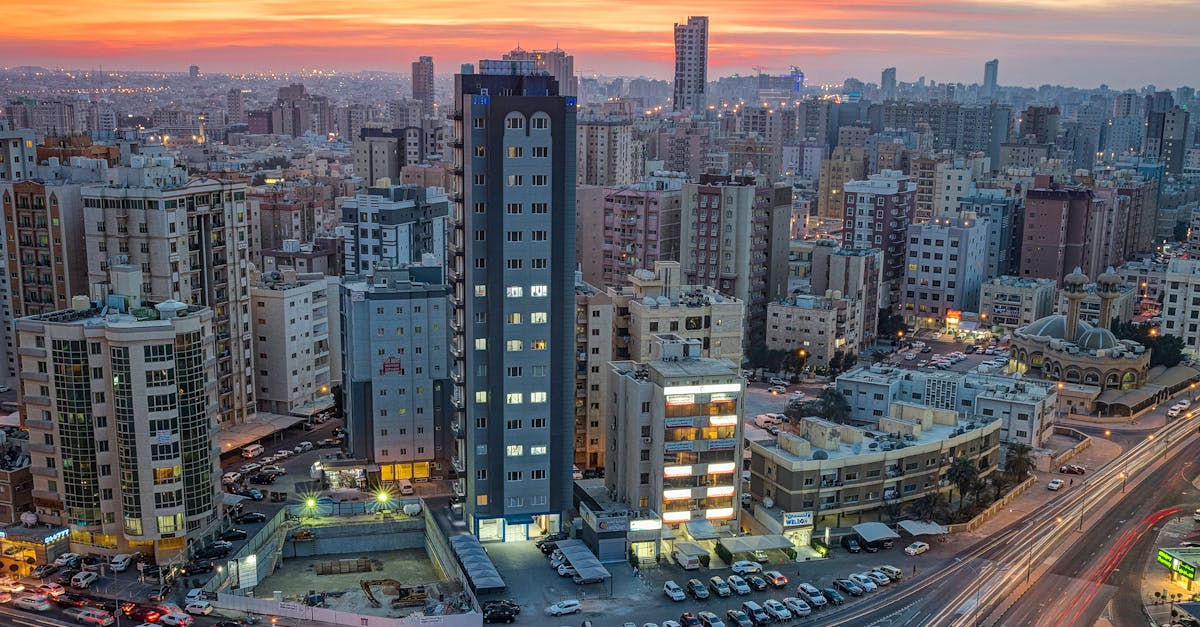
Living in Kuwait
Kuwait is a small, oil-rich country in the Middle East, known for its modern architecture, rich cultural heritage, and vibrant economy. It offers a blend of traditional and contemporary lifestyle, making it a unique destination in the region.
Next Steps
- 1Secure a sponsor in Kuwait, such as an employer or family member, to support your visa application.
- 2Apply for the appropriate visa type (e.g., work visa, family reunification visa) through the Kuwaiti Ministry of Interior's website or at the General Department of Residency.
- 3Register with the Public Authority for Civil Information (PACI) and obtain a civil ID once you have entered Kuwait on your visa.
- 4Find accommodation and ensure you have a valid lease contract, which may be required for residence permit applications and other administrative processes.
The Complete Guide to Living in Kuwait
Overview of Kuwait
Kuwait, a small yet influential nation located in the Arabian Peninsula, is renowned for its wealth, attributed primarily to its vast petroleum reserves. As one of the richest countries globally, Kuwait offers a high standard of living and a unique blend of traditional and modern lifestyles, making it an attractive destination for expatriates.
Country Summary
Kuwait's economy is heavily centered around the petroleum industry, contributing to its status as a financial powerhouse. This wealth extends to diverse sectors including petrochemicals, steelmaking, and construction, offering a stable economic environment for residents and expatriates alike. The nation ranks high in terms of per capita income, underscoring its economic stability and appeal.
Culture and Appeal
Kuwait boasts a rich cultural tapestry, interweaving Islamic traditions with modern Western influences. The society places a strong emphasis on family and social values, reflected in its conservative norms and community-oriented lifestyle. This cultural blend provides expatriates with a unique, enriching living experience characterized by a balance of tradition and modernization.
Key Cultural Insights:
- Social Values: Family is central to Kuwaiti society. Social gatherings often involve extended family members, and hospitality is a hallmark trait.
- Lifestyle: From luxury shopping malls to traditional souks, Kuwait presents a dynamic lifestyle catering to both modern and traditional tastes.
- Festivals and Celebrations: The country celebrates several Islamic festivals, including Eid al-Fitr and Eid al-Adha. National Day is celebrated with fervor on February 25th.
Practical Considerations
- Visa & Immigration Requirements:
- U.S. citizens can obtain a free visa on arrival for stays up to three months. Longer stays necessitate a residency permit, involving health tests and necessary legal documentation.
- For current visa information and detailed processes, visit the Kuwait Civil Aviation Authority and the Embassy of Kuwait in Washington, DC.
- Cost of Living:
- Living in Kuwait can be expensive, with housing being a significant expense. However, the high salaries often compensate for these costs.
- Employment Opportunities:
- Kuwait presents robust job prospects, especially in its bustling oil and gas industry. Other lucrative fields include finance, construction, healthcare, and education.
- Expatriates should secure a work permit approved by the Ministry of Social Affairs and Labor before starting employment.
- Housing & Accommodation:
- Options range from modest apartments to luxurious housing, with lease terms typically lasting one to two years. Engage with real estate agents or online platforms to explore available properties.
- Healthcare System:
- Kuwait's healthcare is divided into public and private sectors, with high-quality care available in both. Health insurance is mandatory for expatriates.
- For more healthcare information, refer to the Ministry of Health.
- Taxes & Financial Considerations:
- There is no personal income tax in Kuwait; however, companies pay a 10% tax on profits. Expatriates should consult tax professionals regarding foreign tax obligations.
- Language & Communication:
- While Arabic is the official language, English is widely understood. Learning basic Arabic can greatly aid in social interactions and cultural integration.
- Cultural Adaptation:
- Engage in cultural exchange through participation in local events and expatriate groups. Respect for local customs is critical, so observing dress codes and social etiquette is advised.
Closing Thoughts
Kuwait, with its vibrant economy and cultural richness, offers an immensely rewarding experience for expatriates. By understanding its social fabric and navigating its regulatory framework, new residents can enjoy a seamless transition into one of the most prosperous nations in the Middle East.
Essential Resources
Emergency Contacts:
U.S. Embassy in Kuwait: +(965) 2259-1001
Reputable Websites:
Local Services:
By leveraging these resources and adhering to the outlined advice, expatriates can adeptly navigate life in Kuwait, embracing both its opportunities and its challenges.
Visa & Immigration
Overview
Kuwait is a thriving, oil-rich nation that attracts expatriates worldwide due to its high standard of living and lucrative career opportunities. Understanding the visa and immigration requirements is crucial for anyone considering relocating to Kuwait. This chapter details the various types of visas available, the application processes, and potential pathways to residency or citizenship.
Visa Types
Tourist Visa: U.S. citizens can obtain a free visa on arrival, permitting a stay of up to three months. This visa is ideal for short-term visits or initial explorations of the country.
Residency Visa: For long-term stays, a residency permit is mandatory. This permit is typically linked to employment, family sponsorship, or business investments.
Work Visa: Required for expatriates seeking employment in Kuwait. Employers or sponsors usually handle the application process.
Application Steps
Initial Research: Prior to applying, review the most current visa requirements on the Kuwait Civil Aviation Authority and the Embassy of Kuwait in Washington, DC.
Document Preparation: Gather necessary documents, including a valid passport, passport-sized photos, and any specific documents related to the visa type, such as an employment contract or sponsorship letter.
Authentication and Attestation: For residency permits, documents must be authenticated by the U.S. Department of State Office of Authentications and attested by the Embassy of Kuwait.
Application Submission: Submit applications through the appropriate channels, which may include online portals or in-person at Kuwaiti embassies or consulates.
Health Checks: Most residency permits require a health check to be completed in Kuwait, confirming the applicant's good health.
Pathways to Residency or Citizenship
Residency
Renewable Permits: Residency permits are issued for specific durations and can be renewed. It is essential to ensure renewal processes are initiated well before expiry to avoid fines or deportation.
Family Residency: Family members of expatriates can apply for residency under a family visa. Their permits are contingent upon the main applicant’s residency status.
Citizenship
Criteria for Naturalization: Kuwaiti citizenship is challenging to obtain for expatriates, as it is primarily reserved for those with Kuwaiti ancestry. Expatriates seeking naturalization face stringent requirements, including long-term residency and proficiency in Arabic.
Exceptions: In rare cases, citizenship may be granted as an exceptional privilege for extraordinary contributions to the state.
Practical Advice
Consult an Immigration Specialist: Navigating Kuwaiti immigration laws can be complex. Hiring an immigration consultant can streamline the process, ensuring all legal aspects are covered.
Monitor Policy Changes: Immigration laws can change; stay informed via reputable resources such as the Kuwait Government Website or Expat.com.
Understand Cultural Norms: Be aware of local customs and legal expectations, as compliance is mandatory and affects residency status.
By thoroughly understanding these visa and immigration requirements, expatriates can ensure a smooth transition to living and working in Kuwait, making the most of the opportunities this dynamic nation offers.
Cost of Living
Introduction
Kuwait, one of the richest countries in the world due to its petroleum-based economy, offers expatriates a high standard of living coupled with a unique cultural experience. However, understanding the cost of living is crucial for successfully relocating and integrating into Kuwaiti society. This chapter provides a comprehensive breakdown of housing, daily expenses, and financial comparisons to assist newcomers in managing their finances effectively.
Housing
- Types of Accommodation: The predominant types of housing options for expatriates in Kuwait are apartments, ranging from one-bedroom units to luxurious multi-bedroom suites with high-end amenities. Shared accommodations and serviced apartments cater to different budgetary and lifestyle preferences.
- Finding Housing: Real estate agents, online property listings, and expatriate community recommendations are reliable resources for finding housing. Platforms like Expat.com (www.expat.com) can be beneficial. It is essential to visit properties in person to assess the condition and surroundings.
- Lease Terms: Typically, leases run from one to two years and often require a security deposit and advance rent payment. Many apartments are furnished, but potential tenants should assess the quality of furnishings.
- Cost Considerations: Rent prices vary significantly depending on location, size, and amenities. Expats can expect to pay anywhere from 150 KWD ($500 USD) for a basic room in a shared apartment to 600 KWD ($2,000 USD) or more for high-end accommodations in desirable districts.
Daily Expenses
- Food and Dining: The cost of groceries and dining can be relatively high. Local markets offer competitive pricing, while imported goods in supermarkets might be more expensive. Dining out varies from affordable local eateries to pricey international restaurants. Budget around 100 KWD ($330 USD) per month for an average grocery bill.
- Transportation: Public transportation options include buses and taxis; however, many expatriates prefer personal vehicles. While gasoline is inexpensive, you should budget for additional costs such as insurance and maintenance.
- Utilities and Internet: Utilities, including electricity and water, are relatively low due to government subsidies. High-speed internet and mobile plans are competitively priced, averaging around 30 KWD ($100 USD) monthly.
- Entertainment and Leisure: Kuwait offers a range of leisure activities, from shopping centers to cultural sites. Activities and membership fees can vary widely, so allocate a portion of your budget based on personal interests.
Financial Comparisons
- Income Levels: Kuwait boasts one of the highest per capita incomes globally. Salaries for expatriates often reflect the cost of living and can be attractive, especially for professionals in sectors like oil, finance, and healthcare.
- Banking and Savings: Kuwait has a robust banking sector, and opening a local bank account is advisable for managing day-to-day transactions and savings. Engage with tax professionals to understand any home country tax obligations.
- No Income Tax: One of the most significant financial benefits of living in Kuwait is the absence of personal income tax, which considerably impacts disposable income. However, be aware of potential foreign tax responsibilities.
Practical Considerations
- Budgeting Tips: Develop a realistic budget that considers all facets of the cost of living, including accommodation, utilities, groceries, transport, healthcare, and leisure activities.
- Negotiating Costs: When securing housing or making significant purchases, don't hesitate to negotiate prices or terms. It's common and often expected in Kuwait.
- Saving Strategies: Take advantage of the tax-free income environment to bolster savings. Consider investing in local or international markets for longer-term financial growth.
By carefully managing these costs and utilizing available resources, expatriates can enjoy the prosperous lifestyle Kuwait offers. For more in-depth information, resources such as the Kuwait Government Website (www.e.gov.kw) and Expat.com (www.expat.com) can offer additional guidance.
Employment Opportunities
In this chapter, we will explore the nuances of seeking employment in Kuwait, focusing on the job market landscape, high-demand industries, and work regulations. Whether you are planning a move to Kuwait or considering new career opportunities, understanding these elements is crucial for a successful transition.
Understanding Kuwait's Job Market
Overview of the Job Market
Kuwait's economic environment is driven by a rich petroleum-based economy, making it one of the wealthiest nations globally. The job market is stable and continues to grow, primarily underpinned by the oil and gas sector. However, Kuwait's economy is diversifying, and opportunities abound in several burgeoning industries such as finance, real estate, and technology.
- Primary Sector: Oil and Gas
- Developing Sectors: Finance, Real Estate, Construction, Healthcare, and Education
High-Demand Industries
If you are an expatriate or a skilled professional contemplating a move to Kuwait, certain industries offer a plethora of opportunities:
- Engineering: Especially in oil and gas, construction, and civil engineering projects.
- Healthcare: There is a rising demand for specialist doctors, nurses, and healthcare administrators.
- Finance and Banking: With a strong financial sector, roles in banking, financial analysis, and consulting are prevalent.
- Education: Teaching positions in international schools and universities are numerous, particularly for English-speaking professionals.
Practical Tips for Job Seekers
- Leverage Online Job Portals: Websites like Bayt.com and GulfTalent are excellent resources for finding job vacancies specific to Kuwait.
- Networking: Engage with industry professionals on platforms like LinkedIn to discover opportunities not advertised publicly.
- Seek Recruitment Agencies: Consider reaching out to recruitment agencies that specialize in placing candidates in the Gulf region.
- Local Newspapers: Jobs are often advertised in local newspapers such as the Kuwait Times.
Work Regulations
Work Permits and Visas
For expatriates, securing employment begins with understanding the necessary work regulations:
- Work Permits: Non-Kuwaiti nationals must obtain a work permit. This involves having an employment contract approved by Kuwait's Ministry of Social Affairs and Labor.
- Residency Permit: Post-employment offer, a residency permit is required, involving legal documentation and health tests.
Visa Information:
- Visit the Kuwait Civil Aviation Authority: Civil Aviation Authority
- Embassy of Kuwait in Washington, DC: Embassy Visa Info
Employment Contracts
Contracts must be thoroughly reviewed for the following core elements:
- Job Description and Title
- Compensation and Benefits
- Contract Duration: Typically, contracts range from one to two years.
- Termination Terms and Conditions
Working Conditions
Understanding the local work culture is key to a smooth transition:
- Workweek: The typical workweek is Sunday to Thursday.
- Business Hours: Generally from 8 am to 5 pm, with some variances depending on industry.
Conclusion
Relocating to Kuwait for employment can be highly rewarding given its economic stability and high demand for skilled professionals. By understanding the job market dynamics, high-demand sectors, and necessary work regulations, you can maximize your potential for a successful career in this vibrant Middle Eastern nation. For further guidance, consider consulting local experts and tapping into expatriate communities that offer valuable insights and firsthand experiences.
This comprehensive overview should serve as a foundational guide for navigating employment opportunities in Kuwait, providing you with the tools and information necessary to embark on your professional journey in this dynamic country.
Housing & Accommodation
Kuwait presents an intriguing blend of opportunity and practicality for expatriates, particularly when it comes to securing accommodation. This chapter provides a detailed guide on finding and securing housing in Kuwait, along with understanding typical lease terms.
Finding Housing
Locating a suitable place to live in Kuwait requires diligence and awareness of local conditions. Here are practical steps to ensure a successful search:
1. Real Estate Agents
- Role: Agents are knowledgeable about different areas and can negotiate leases on your behalf.
- How to Choose: Select agents with positive reviews and official credentials. Personal recommendations and online forums can be helpful starting points.
- Contact Points: Many agents advertise their services on platforms like Expat.com or Kuwait Local.
2. Online Listings
- Popular Websites: Sites such as Property Finder and Kuwait Apartments host numerous listings.
- Considerations: Verify all information independently and be cautious of listings that seem too good to be true.
3. Word of Mouth
- Sources: Networking within expatriate communities can reveal unlisted opportunities.
- Communities: Engage with groups through social media platforms like Facebook and expatriate forums.
Inspecting the Property
Before committing, it’s essential to inspect the property:
- Condition: Verify the state of utilities, like plumbing and electricity.
- Furnishings: If renting a furnished apartment, check the quality and condition of furniture.
- Neighborhood: Visit the area at different times of the day to gauge noise levels, safety, and commute times.
Typical Lease Terms
Understanding the standard lease terms in Kuwait will aid in negotiating better deals and ensuring a straightforward rental process:
Lease Duration
- Common Length: Standard leases range from one to two years. Shorter durations might incur higher costs.
- Renewal Terms: It is advisable to include a renewal clause in your lease agreement.
Financial Obligations
- Security Deposit: Typically one to two months' rent. Ensure you receive a receipt upon payment.
- Advance Rent: Often, landlords request rent payment three months in advance.
- Negotiations: Engage in negotiating terms. Landlords may be flexible with terms for well-qualified tenants.
Termination Conditions
- Notice Period: A common requirement is three months' notice before vacating.
- Penalty Clauses: Be aware of penalties for early termination.
Legal Considerations
- Written Contract: Always obtain a written rental agreement signed by both parties.
- Legal Assistance: Consider legal counsel for reviewing contracts, especially with unfamiliar terms.
Navigating Local Practices
Adaptation to local practices is crucial for a smooth transition:
- Cultural Etiquette: Respectful negotiations and adhering to cultural norms can facilitate better relationships with landlords.
- Utilities and Bills: Utilities are often excluded from rent. Allocate a budget for electricity, water, and internet services.
Conclusion
Securing housing in Kuwait involves understanding the local rental market, engaging reliable resources, and ensuring protective lease conditions. Using a mix of real estate agencies, online platforms, and community connections, expatriates can find suitable accommodations that meet their needs while respecting local legal and cultural practices. Consider consulting local experts and resources such as Expat.com and government portals like e.gov.kw for updated information and assistance.
Healthcare System
Public vs. Private Care
Kuwait’s healthcare system is a dynamic blend of public and private facilities, offering both residents and expatriates access to a range of medical services. Understanding the differences between these two sectors is crucial for anyone planning to live in Kuwait.
Public Healthcare
- Administration: The public healthcare sector is primarily managed by the Ministry of Health, which oversees most of the country's hospitals and clinics.
- Accessibility: Public hospitals in Kuwait are accessible to both citizens and expatriates, although the latter may face longer wait times for non-emergency treatments.
- Services: Public facilities often cover basic medical care, emergency services, and specialist consultations.
- Cost: For Kuwaiti citizens, public healthcare services are largely subsidized by the government. Expatriates are required to pay a nominal fee, significantly lower than costs in private hospitals.
Private Healthcare
- Quality of Care: Private hospitals in Kuwait are known for their high-quality service, modern facilities, and shorter waiting times. They offer specialized medical treatments that may not always be available in public hospitals.
- Accessibility: While more expensive, private care is often preferred by expatriates for its convenience and availability of specialized services.
- Popular Private Hospitals: Notable private healthcare providers include Al Seef Hospital and New Mowasat Hospital, which offer comprehensive healthcare packages.
Actionable Information
- Registration: If you choose public care, ensure your medical insurance covers the necessary treatments. For private facilities, inquire about their medical packages.
- Appointments: Public hospital visits may require early morning consultations due to high patient volumes. Private facilities usually provide flexible appointment scheduling.
- Emergency Services: Both sectors offer emergency services; dial 112 for immediate healthcare assistance in Kuwait.
Insurance Options
In Kuwait, health insurance is mandatory for all expatriates, offering a safety net for medical expenses in a healthcare system that blends public and private options.
Employer-Provided Insurance
- Coverage: Many expatriates receive health insurance through their employers, covering both public and private healthcare services.
- Scope: These plans typically cover basic inpatient and outpatient treatments, though it's essential to verify the specifics of each policy.
Private Health Insurance
- Providers: Individuals seeking broader coverage may opt for private health insurance policies offered by providers such as Gulf Insurance Group or Warba Insurance.
- Customization: Private insurance plans can be tailored to include comprehensive healthcare benefits, international coverage, and access to premium services in private hospitals.
Tips for Selecting Insurance
- Assess Needs: Determine your healthcare needs and choose a policy that offers the best coverage for you and your family.
- Provider Network: Ensure your insurance provider has a wide network of affiliated hospitals and clinics.
- Policy Terms: Read the fine print regarding inclusions, exclusions, and claims processes.
Quality of Facilities
Kuwait’s healthcare facilities maintain high standards in both the public and private sectors, with ongoing investments in medical technology and infrastructure.
Modern Equipment and Facilities
- Investment: Significant investments in healthcare infrastructure ensure that facilities are equipped with the latest in medical technology.
- Staffing: Both public and private hospitals employ well-trained medical professionals from around the world, ensuring a high standard of care.
Patient Feedback and Reviews
- Research: Before selecting a healthcare provider, consider seeking reviews or testimonials from other expatriates and locals.
- Accreditations: Look for hospitals and clinics accredited by international health organizations, signifying adherence to global healthcare standards.
Actionable Considerations
- Visit Hospitals: Whenever possible, visit potential hospitals to assess their facilities firsthand.
- Healthcare Accessibility: Consider the proximity of healthcare providers to your residence, especially in emergencies.
For more detailed information about healthcare services in Kuwait, visit the Ministry of Health website.
By understanding the nuances of Kuwait's healthcare system, from navigating public versus private care to selecting the right insurance, expatriates can ensure they and their families receive the best possible medical care while residing in the country.
Taxes & Financial Considerations
Local Tax Structure
Kuwait is unique in its approach to taxation, offering a fiscal environment that is extremely favorable to individuals. Here are the key points concerning taxation in Kuwait:
Personal Income Tax: One of the most attractive aspects of living in Kuwait is the absence of personal income tax. This means that expatriates and residents alike can enjoy their entire earnings without deductions for local income tax.
Corporate Tax: While individuals enjoy tax-free income, businesses are subject to taxation. Foreign-owned companies operating in Kuwait are required to pay a flat 10% tax on their profits. This is a part of Kuwait's efforts to diversify its revenue sources beyond oil.
VAT and Other Taxes: As of now, Kuwait does not have a value-added tax (VAT) system. However, there have been discussions among Gulf Cooperation Council (GCC) countries about implementing VAT in the future, so it's wise to stay updated on any changes.
For more detailed tax regulations and potential updates, consult the Kuwait Government Website.
Banking
Kuwait boasts a robust banking sector, making it convenient for expatriates to manage their finances. Here are the major banking considerations:
Bank Account Opening: Expatriates can open bank accounts in Kuwait, but the process can be slightly different compared to their home countries. Common requirements include a valid residency permit, passport, and, often, a letter from your employer. Some banks also ask for a minimum deposit.
Choosing a Bank: Kuwait has numerous local and international banks. Popular choices include the National Bank of Kuwait (NBK), Gulf Bank, and international banks such as HSBC and Citibank. These banks offer a variety of services catering to expatriates, including savings accounts, loans, and investment opportunities.
Online Banking: Most banks offer comprehensive online banking services, allowing you to check your balance, transfer money, and pay bills digitally, which is invaluable for managing finances on the go.
For a complete guide on banking services, you can visit the Central Bank of Kuwait.
Foreign Tax Obligations
While Kuwait offers a tax-free salary for personal income, expatriates might still be liable for taxes in their home countries. Here's what you need to consider:
Home Country Taxation: Tax obligations can vary significantly depending on your country's tax laws. For instance, American expatriates are required to file taxes with the IRS regardless of where they earn their income. It's essential to understand the tax agreements between your home country and Kuwait.
Consult a Tax Professional: Given the complexities of international tax law, consulting with a tax advisor is highly advisable. A professional can help you understand dual taxation agreements, if any, and how to make the most of tax credits and deductions that might be applicable.
Offshore Accounts: Many expatriates consider maintaining offshore accounts for savings or investment. However, this requires careful consideration of both Kuwait's regulations and your home country's tax laws.
For advice tailored to expatriates, resources like Expat.com can provide peer insights and professional recommendations.
By understanding and managing these financial considerations, expatriates in Kuwait can effectively capitalize on the country's favorable economic environment while ensuring compliance with any foreign tax obligations they might have. Armed with the necessary knowledge, you'll be well-prepared financially for your new life in Kuwait.
Moving Logistics
Relocating to Kuwait offers a rewarding experience, blending a rich cultural heritage with an upscale lifestyle. As you prepare for this transition, understanding the logistics—packing, documentation, and pet relocation—is crucial for a smooth and stress-free move.
Packing and Shipping Tips
Ensuring a successful move requires meticulous planning and efficient management of your belongings. Here are some crucial packing and shipping tips for relocating to Kuwait:
- Use Professional Moving Services:
- Opt for reputable international moving companies with experience in shipping to the Middle East.
- Verify the company is familiar with Kuwait's customs regulations to ensure timely clearance.
- Label Boxes Clearly:
- Use strong, durable packing materials and label each box with its contents and destination room.
- Clearly mark fragile items and consider insuring valuable or delicate shipments.
- Documentation for Customs Clearance:
- Ensure all documentation, including the inventory list, is precise and matches the shipment contents.
- Work with your mover to prepare any necessary customs declarations and clearance forms.
- Timing and Scheduling:
- Plan your shipment well in advance, considering transit time and potential delays.
- Schedule shipping to arrive a few days after your estimated arrival to manage accommodations and customs procedures.
- Storing Non-Essentials:
- Many expats find it beneficial to store non-essential items in their home country to reduce transport volume initially.
Necessary Documentation
Navigating the paperwork is one of the most critical aspects of a successful move. Here’s a breakdown of essential documents you'll need:
- Passport and Visa:
- Ensure your passport is valid for at least six months from your planned entry into Kuwait.
- If applicable, arrange for a visa on arrival or a residency permit well in advance.
- Residency Permit:
- Residency demands specific legal documents, including employment contracts and proof of accommodation.
- For comprehensive visa and residency information, visit the Kuwait Civil Aviation Authority and the Kuwait Embassy in Washington, DC.
- Health Insurance Documents:
- Health insurance is mandatory for all expatriates.
- Bring proof of health coverage for both public and private healthcare systems in Kuwait.
- School and Medical Records:
- Copies of your children’s educational and immunization records may be required for school enrollments.
- Bringing your own medical records is beneficial for establishing care in Kuwait.
Pet Relocation
Transporting pets internationally can be complex, but with careful planning, your furry friend can join you in Kuwait.
- Health Certificate and Vaccinations:
- Obtain a health certificate from a licensed veterinarian indicating your pet is healthy and up-to-date on vaccinations.
- Import Permit:
- Apply for an import permit from the Public Authority for Agricultural Affairs and Fish Resources in Kuwait.
- Ensure to follow any specific guidelines regarding prohibited breeds and animal quarantine.
- Transportation Arrangements:
- Use a specialized pet relocation service to handle logistics and mitigate stress.
- Book pet-friendly flights with appropriate carriers having climate-controlled cabins.
- Settling Your Pet:
- Research pet-friendly housing options in advance.
- Familiarize your pet with their new environment gradually to ease the transition.
Moving to Kuwait involves numerous logistics, from packing and shipping to preparing necessary documentation and relocating pets. By methodically preparing and seeking professional assistance, expats can enjoy a smooth and enjoyable move to this vibrant Gulf state. Always consult official sources and professional services to stay informed about current regulations and requirements. For further information, explore platforms like Expat.com or the Kuwait Government Website.
Language & Communication
Assessing Language Barriers
Kuwait’s official language is Arabic, serving as the primary means of communication in government, media, and among the local population. However, English is widely spoken, particularly in the business sector and among expatriates. This dual-language scenario offers both opportunities and challenges for newcomers.
- Arabic: Being conversant in Arabic is beneficial for deeper integration, especially outside major urban areas or in government settings.
- English: Most business transactions and expatriate interactions occur in English, making it fairly accessible for non-Arabic speakers.
Practical Advice
- Understand Basic Arabic: While it's possible to live comfortably using only English in Kuwait, learning basic Arabic phrases can significantly enhance experiences and interactions.
- Profession-Specific Needs: If your profession requires interaction with locals or government bodies, consider learning specific industry-relevant Arabic terminology.
Language Learning Resources
Building proficiency in Arabic, despite English's prevalence, can enrich your cultural experience and make everyday interactions smoother. Kuwait offers various resources for language acquisition:
Language Schools: Several institutions in Kuwait offer Arabic language courses tailored for expatriates. Courses range from beginner to advanced levels, focusing on both spoken and written Arabic.
Institute of Modern Language: Offers evening and weekend classes suited for working professionals.
Arabic Language Center: Provides intensive language programs.
Online Courses & Apps: Platforms like Duolingo, Rosetta Stone, and Babbel offer Arabic courses that can be a useful starting point or supplement to in-person classes.
Mango Languages: Offers a comprehensive, app-based course in Arabic specifically designed for travelers and expatriates.
Local Etiquette
Understanding and respecting local etiquette is crucial in a country where social customs and traditions are deeply valued. Here are some key points to consider:
Dress Code: Dress modestly, respecting local customs. For women, this usually means covering the shoulders and knees in public spaces.
Greetings: Traditional greetings often include a handshake or a slight nod. It's common to greet women with a nod, especially if the social context is formal.
Public Conduct: Public displays of affection are frowned upon, and during the Islamic month of Ramadan, eating or drinking in public places during daylight hours is prohibited.
Gender Interactions: There are specific cultural norms surrounding interactions between genders that require sensitivity and understanding.
Actionable Tips
Adapt to Conversation Styles: Kuwaitis may engage in long, polite conversational exchanges. Be prepared for more indirect communication, especially concerning business negotiations.
Participate in Local Customs: Accept invitations to social gatherings as they are opportunities to understand local norms and build relationships.
Conclusion
Navigating the language and communication landscape in Kuwait involves balancing reliance on English with a respectful engagement with Arabic. By leveraging available learning resources and embedding oneself in the cultural etiquette of Kuwait, expatriates can foster more meaningful interactions, leading to a richer living experience in this unique cultural environment. For more detailed information, consider consulting the Kuwait Government Website and resources like Expat.com for community support and advice.
Cultural Adaptation
Introduction
Adapting to a new culture is an integral part of relocation, especially in a country as unique as Kuwait. This chapter aims to provide insights into the social customs, strategies for community integration, and valuable tips for managing culture shock, all essential for a successful transition to life in Kuwait.
Social Customs
Understanding Kuwaiti Society
Kuwait's society is characterized by its conservative nature, deeply rooted in Islamic traditions. Here are some key aspects to be aware of:
- Religious Practices: Islam plays a significant role in daily life. Be respectful of religious customs and practices, including prayer times and Ramadan fasting.
- Greetings: Greetings are formal, often involving a handshake or cheek kisses between same-gender individuals. Men and women typically avoid direct physical contact in public.
- Dress Code: Modesty is crucial. Women are advised to wear clothing that covers the shoulders and knees. Men should avoid wearing shorts in public.
Family and Social Values
Family is central to Kuwaiti life, and social interactions often extend beyond the immediate family. When interacting with locals, remember:
- Hospitality: Kuwaitis are known for their hospitality. Accepting invitations to meals or gatherings is considered polite.
- Gift-Giving: It is customary to bring a small gift, such as sweets, when visiting someone's home.
- Public Behavior: Public displays of affection are frowned upon, and loud or aggressive behavior is considered impolite.
Community Integration
Settling into a new community can be challenging, but these steps can ease the transition:
Joining Expatriate Groups
Kuwait hosts a vibrant expat community with numerous groups and clubs to join, such as:
- Social Clubs: These offer social events and networking opportunities.
- Interest Groups: Whether you enjoy sports, arts, or other hobbies, there’s likely a group that matches your interests. Check platforms like Expat.com for options.
Engaging with Local Communities
Becoming part of the local community enriches your cultural adaptation experience:
- Volunteering: Many organizations welcome volunteers, providing a chance to make local connections while giving back.
- Cultural Events: Attend public events and festivals to experience and appreciate local traditions.
Managing Culture Shock
Experiencing culture shock is a common part of relocating. Here are strategies to help manage it effectively:
Recognizing Culture Shock
Understand that culture shock often involves stages of honeymoon, frustration, adjustment, and acceptance. Symptoms may include:
- Homesickness
- Frustration with local customs
- Language barriers
Coping Strategies
- Stay Open-Minded: Embrace differences as part of the learning experience.
- Learn the Language: Boost your integration by learning Arabic. Online courses and language schools offer convenient options.
- Build a Support Network: Connect with other expatriates through online forums or local groups.
Seeking Support
- Professional Assistance: If culture shock affects your mental well-being, consider seeking support from a counselor or psychologist.
- Expat Support Groups: Join groups focused on expatriate experiences for shared insights and camaraderie.
Resources for Cultural Adaptation
- Kuwait Government Portal: For up-to-date information, visit www.e.gov.kw.
- Ministry of Interior: For safety and security resources, visit www.moi.gov.kw.
- U.S. Embassy in Kuwait: Emergency contact is +(965) 2259-1001.
By understanding and respecting Kuwaiti social customs, actively participating in community life, and managing culture shock effectively, expatriates can make the most of their time in Kuwait and enjoy a fulfilling experience in this dynamic nation.
Essential Resources
Introduction
When relocating to Kuwait, having access to essential resources is crucial for ensuring a smooth transition and maintaining peace of mind. This chapter provides you with emergency contacts, reputable websites, and a brief directory of local services that expatriates might need. This information is designed to provide actionable and practical guidance as you navigate life in Kuwait.
Emergency Contacts
In case of an emergency, having immediate access to important contacts can be lifesaving. Below are key emergency numbers and contacts you should have on hand:
U.S. Embassy in Kuwait: +(965) 2259-1001
U.S. Embassy Kuwait WebsiteKuwait Ministry of Interior:
Visit the official website for updates and contact information: www.moi.gov.kwKuwait Fire Department: Dial 112 for fire emergencies.
Kuwait Ambulance and Police: Dial 112 for medical emergencies and police assistance.
Reputable Websites
Reliable online resources are indispensable for getting accurate and up-to-date information while living in Kuwait. Here are some reputable websites to bookmark:
Kuwait Government Website: Provides essential information on government services and procedures.
www.e.gov.kwExpat.com: A popular online community for expatriates that offers advice, forums, and classified ads specifically for those living abroad.
www.expat.comKuwait Times: One of the leading English-language newspapers in Kuwait, providing news and insights about local developments.
www.kuwaittimes.net
Brief Directory of Local Services
Access to local services can significantly impact your day-to-day life. Below is a quick reference guide to essential services in Kuwait:
Healthcare
Ministry of Health: Offers comprehensive details about public health services, hospitals, and clinics in Kuwait.
www.moh.gov.kwPrivate Medical Facilities: Numerous private hospitals, such as Dar Al Shifa Hospital and Al Seef Hospital, provide specialized care.
Education
Ministry of Education: For information on local schools, universities, and educational policies.
www.moe.edu.kwInternational Schools: Several international schools cater to expatriates, including the American School of Kuwait and the British School of Kuwait.
Banking
Central Bank of Kuwait: Outlines banking regulations, currency exchange rates, and sector updates.
www.cbk.gov.kwMajor Banks: National Bank of Kuwait and Gulf Bank offer extensive services for expatriates.
Utilities
Electricity and Water: Managed by the Ministry of Electricity and Water. Payments can typically be made online or at service centers.
Housing
Real Estate Listings: Websites like OLX Kuwait and Kuwait Finder provide apartment listings and real estate services.
Practical Advice
- Emergency Preparedness: Make copies of important documents (passport, visa, medical insurance) and keep them in a safe place.
- Cultural Awareness: Respect local traditions and understand Kuwaiti cultural norms to enhance your living experience.
- Networking: Engaging with other expatriates can provide support and useful insights about living in Kuwait, easing your transition.
Conclusion
Armed with this directory of essential resources, you'll be better prepared to navigate life in Kuwait. Remember to utilize these contacts and services as needed to address any challenges you may face, and to leverage the online resources to stay informed and connected with the local community.