
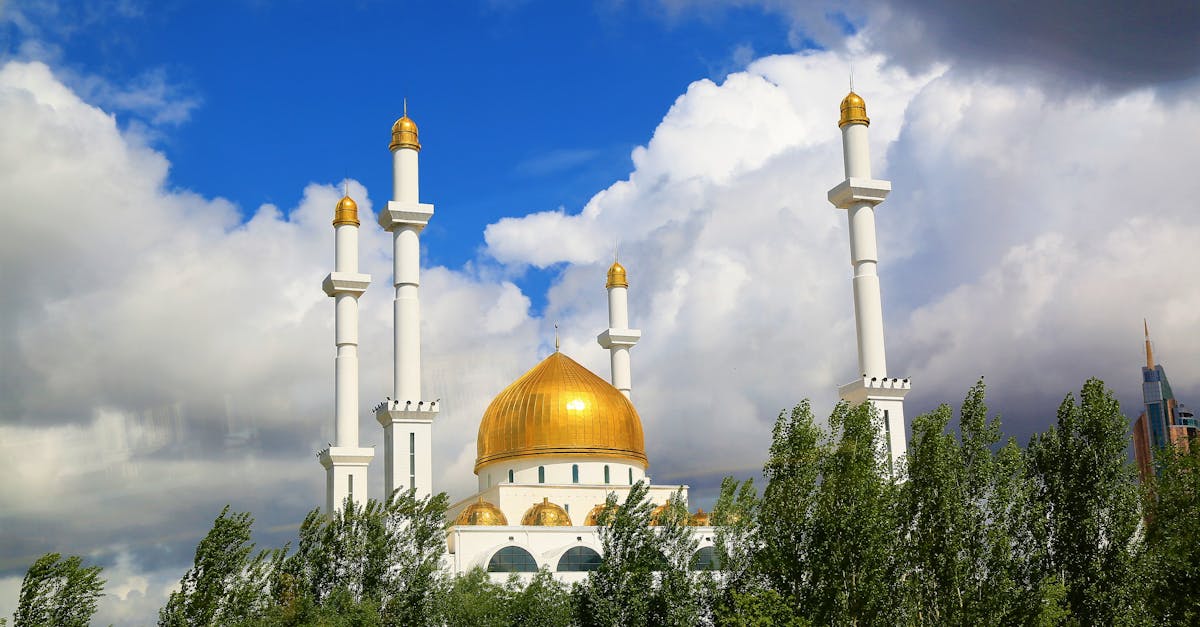
Living in Kazakhstan
A vast and diverse country located in Central Asia, Kazakhstan is known for its rich history, cultural heritage, and economic growth. It offers a unique blend of traditional nomadic culture and modern development.
Next Steps
- 1Apply for a visa or check if you are eligible for a visa-free regime based on your nationality and purpose of stay.
- 2Search for job opportunities that match your skills and experience, considering the need for a work permit if your stay exceeds 30 days.
- 3Find suitable housing by researching neighborhoods, contacting real estate agents, and understanding local rental agreements.
- 4Register with the migration service within 3 working days of arrival and apply for an Individual Identification Number (IIN) to access public services and banking.
The Complete Guide to Living in Kazakhstan
Introduction
Kazakhstan: A Cultural and Economic Crossroads
Kazakhstan, the world's largest landlocked country, is a fascinating melange of ancient traditions and rapid modernization. Situated at the heart of Eurasia, Kazakhstan serves as a vital conduit bridging European and Asian cultures and economies. This duality is also reflected in its society, where verdant grasslands and vast steppes meet bustling urban centers and burgeoning industries.
Country Summary
Kazakhstan’s distinctive allure lies not just in its geographical size, but also in the breadth of experiences it offers. Known for its immense natural wealth, the nation is a powerhouse of resources like oil, gas, and minerals which underpin a strong economy—the largest in Central Asia. Despite this economic reliance on natural resources, Kazakhstan is ambitiously working to diversify its economy into agriculture, manufacturing, and technological innovation.
Its cultural fabric is woven from a tapestry of regional influences, blending indigenous nomadic traditions with elements of Russian, Chinese, and Middle Eastern customs. As a direct result, Kazakhstan is a country that caters to a diverse expatriate community, drawn to both its scenic beauty and economic opportunities (Economy of Kazakhstan).
General Appeal
Kazakhstan’s appeal to expatriates and travelers alike is multifaceted:
- Economic Potential: Beyond its resources, Kazakhstan offers a fertile ground for investment and work in emerging industries, especially for professionals in IT and STEM fields.
- Cultural Heritage: From the traditional yurts on the steppe to the gleaming towers of Astana, the nation’s cultural heritage is rich and inviting, showcasing a deep respect for history.
- Natural Beauty: Encapsulating everything from sprawling steppe lands, majestic mountains of the Trans-Ili Alatau, to the ancient Silk Road trails, Kazakhstan's landscapes offer unparalleled adventure (Kazakhstan Information).
Living in Kazakhstan
Cost of Living
Kazakhstan presents a reasonable cost of living compared to Western standards. Accommodation choices range widely:
- Urban Apartments: Modern apartments with contemporary amenities are readily available in major cities like Almaty and Astana, although older Soviet-style apartments also exist with basic but functional facilities.
- Suburban Houses: Freestanding homes provide more space and privacy but at the cost of longer commutes and higher rents (Accommodation in Kazakhstan).
Employment Opportunities
Kazakhstan is experiencing a labor market transformation, emphasizing a moderate decline in unemployment rates. Noteworthy sectors for employment include:
- IT and Digitalization: The nation’s push towards digital infrastructure offers numerous roles for IT professionals.
- STEM: With educational reforms prioritizing science and technology, opportunities in these fields are expanding (Kazakhstan Information).
Healthcare System
Healthcare in Kazakhstan is predominantly administered by public providers under government supervision. Public facilities abound, though private insurance options are less developed but provide an alternative for those seeking specific services (Healthcare in Kazakhstan).
Visa & Immigration Requirements
Navigating your way into Kazakhstan requires understanding its visa protocols:
- Types of Visas: Options include single-entry visas suitable for short stays and multiple-entry visas for longer engagements, the latter needing official invitations.
- Application Essentials: Requires a valid passport, filled application forms, photographs, and, in most cases, an officially sanctioned invitation (Visa to Kazakhstan).
Cultural Adaptation
Integration into Kazakh society involves embracing its rich tapestry of customs, from attending local festivities to participating in cultural events. Learning basic Russian or Kazakh phrases can significantly ease communication barriers and showcase respect for local customs.
Essential Resources
For further assistance and updates, note the following local resources:
- Government Portal: Government of Kazakhstan
- Healthcare Services: Ministry of Health
- Visa Services: Ministry of Internal Affairs
Kazakhstan stands as a gateway to exploring Central Asia, offering diverse opportunities and experiences for newcomers looking to immerse themselves in a land where past and present converge in dynamic harmony.
Visa & Immigration
Introduction
Kazakhstan, strategically located between Europe and Asia, boasts a robust economy fueled by natural resources and a burgeoning expat community. As the largest economy in Central Asia, it offers myriad opportunities for individuals considering relocation. A critical first step for those looking to move to Kazakhstan is understanding the visa and immigration requirements. This chapter provides a comprehensive guide to visa types, application processes, and pathways to residency or citizenship.
Visa Types
Kazakhstan offers several visa options depending on the purpose and duration of your stay:
Single-entry Visa: Allows a stay of up to 60 days within a 90-day validity period. Ideal for short-term visits such as tourism or business.
Multiple-entry Visa: Valid for up to one year, allowing multiple entries with a maximum stay of 60 days per entry. An invitation approved by Kazakhstan's Ministry of Internal Affairs is necessary for this visa type.
Special Provisions: Available for former compatriots and citizens from select countries who do not require an invitation letter for entry.
For more details, see the official Visa to Kazakhstan guide.
Application Steps
To apply for a visa to Kazakhstan, follow these detailed steps:
Valid Passport: Ensure your passport is valid for at least six months beyond your planned departure date.
Photocopy of Passport: Provide a copy of the page containing your personal information.
Visa Application Form: Complete and sign the application form, which can typically be downloaded from Kazakhstan's consular websites.
Photograph: Attach a color photograph measuring 3.5 x 4.5 cm, taken within the last six months, conforming to passport photo standards.
Invitation Letter: Obtain a letter of invitation, approved by the Ministry of Internal Affairs, where necessary. Citizens of countries that are exempt from invitations need to provide a cover letter explaining the purpose of their visit.
For location-specific instructions and templates, visit the Kazakhstan Government portal.
Pathways to Residency and Citizenship
While the pathway to acquiring permanent residency or citizenship in Kazakhstan can be intricate and contingent on various factors like employment, marriage, or long-term residency, general considerations include:
Temporary Residency Permits: Often a precursor to permanent residency, these permits are obtainable for employment, education, or familial ties. Consult Kazakhstan's local immigration office for guidance.
Permanent Residency: Eligible after meeting specific requirements, including continuous residency for a set period.
Citizenship: Typically requires permanent residency, proof of language proficiency, a stable income, and a commitment to integrate into Kazakh society.
For exact pathways, it is advisable to contact an immigration lawyer familiar with Kazakhstan's laws or check the latest government advisories through the Ministry of Internal Affairs.
Practical Advice and Considerations
Documentation: Always carry multiple copies of all important documents and keep official translations available when needed.
Legal Assistance: Consider hiring a local lawyer or consultant specializing in immigration law to navigate complex processes, especially for residency and citizenship applications.
Planning Visits: Plan visits around Kazakhstan's public holidays to avoid administrative delays.
Networking: Leverage expat communities for firsthand advice and support when settling in Kazakhstan. Social media platforms and forums are useful resources for connecting with current expatriates.
Understanding these visa and immigration requirements is essential for a smooth transition to life in Kazakhstan, creating a foundation for exploring the opportunities that the nation has to offer.
Cost of Living
Introduction
Kazakhstan, a country rich in natural beauty and cultural diversity, offers a unique living experience that blends modern conveniences with traditional influences. Understanding the cost of living in Kazakhstan is crucial for anyone planning to relocate, as it provides insights into housing, daily expenses, and financial aspects. This chapter offers a comprehensive breakdown of these elements to help you make informed decisions.
Housing
Types of Accommodation
Kazakhstan offers a range of housing options, from modern apartments in urban centers to traditional freestanding houses in suburban areas. Here's a closer look:
Apartments: Common in cities like Almaty and Nur-Sultan, these can be new constructions with modern amenities or older Soviet-style buildings. The latter may lack elevators and modern finishes but are often more affordable.
Freestanding Houses: Typically found in suburbs, these offer more space and privacy. However, they come with higher rents and usually entail longer commutes to city centers.
Rental Costs
The rental market in Kazakhstan varies significantly depending on location and type of accommodation:
Urban Apartments: Prices can range from $300 to $1,000 per month. Newer developments in prime locations command higher rents.
Suburban Houses: Expect to pay between $500 and $1,500 monthly, reflecting factors like size, proximity to the city, and local amenities.
For more information, you can explore Accommodation in Kazakhstan.
Daily Expenses
Daily expenses in Kazakhstan can fluctuate based on lifestyle and location. Here are some typical costs to consider:
Groceries: A trip to the supermarket can cost around $50–$100 per week for basic items.
Utilities: Including electricity, heating, cooling, water, and garbage, you might spend $50–$150 monthly.
Transportation: Public transport is affordable, with monthly passes costing about $15–$20. Owning a car involves additional expenses like fuel and maintenance.
Dining Out: A meal at a mid-range restaurant costs approximately $20 for two people, while fast food is around $5 per person.
Adjusting your lifestyle and purchasing habits can significantly influence these expenses.
Financial Comparisons
When comparing Kazakhstan to other countries, the cost of living is generally lower. This allows expatriates to enjoy a comfortable lifestyle without the financial strain experienced in more expensive nations. Here's how Kazakhstan stacks up:
Housing: Considerably cheaper than in Western Europe or North America.
Food: Daily groceries and dining are more affordable than in many Western countries.
Utilities: Generally lower, but always account for seasonal fluctuations in energy costs due to extreme climates.
For a broader economic context, visit Economy of Kazakhstan.
Practical Advice
Research Thoroughly: Before committing to housing, explore multiple options and neighborhoods to find the best fit for your budget and lifestyle.
Budget Wisely: Make a detailed budget considering all potential expenses, including unexpected costs like healthcare or transportation.
Negotiate Lease Terms: Many landlords are open to negotiation, especially for long-term leases.
Leverage Local Insights: Join local online forums or expat communities to gain firsthand advice and recommendations.
Utilize Public Resources: Engage with reputable resources for updated and detailed insights. The Government of Kazakhstan provides valuable information on living in the country.
By preparing thoroughly and understanding the financial landscape of Kazakhstan, you can ensure a smooth transition and enjoy all that this vibrant country has to offer.
Employment Opportunities
Overview of the Job Market
Kazakhstan stands as the economic powerhouse of Central Asia, primarily driven by its abundant natural resources, including oil, gas, and minerals. As of the first quarter of 2024, the employment rate in Kazakhstan is robust, with 67.3% of the population employed, showcasing a slight increase from previous years. The unemployment rate stands at a moderate 4.9%, depicting stability in the labor market[^3^].
For expatriates and newcomers, the country's strategic economic initiatives present diverse opportunities, especially as Kazakhstan actively seeks to diversify its economy beyond natural resources into sectors such as agriculture, technology, and manufacturing. Understanding these dynamics is crucial for anyone looking to tap into Kazakhstan's employment market.
High-Demand Industries
Kazakhstan is prioritizing several key industries as part of its diversification strategy. These sectors offer substantial potential for employment:
Information Technology (IT) Professionals: With ongoing digitalization efforts, there's an increasing demand for IT specialists. Roles in software development, cybersecurity, and data analytics are particularly sought after.
STEM Fields: These are highlighted within Kazakhstan's educational programs, encouraging a focus on science, technology, engineering, and mathematics education and careers.
Potential job seekers will find opportunities in these high-demand sectors, particularly if they possess relevant skills and expertise.
Work Regulations and Considerations
Understanding and adhering to Kazakhstan’s specific work regulations is vital for a smooth transition into the labor market:
Work Permits: International workers typically require a work permit to be legally employed in Kazakhstan. These are usually sponsored by the employer and can vary depending on the job type and duration of employment.
Working Hours and Conditions: Standard working hours in Kazakhstan are typically from 9 AM to 6 PM, though flexibility may vary by industry and employer.
Employment Contracts: It is crucial to secure a well-documented employment contract that covers salary, job duties, and working conditions. Ensure the contract is clear in both Kazakh and the expatriate's native language to avoid misunderstandings.
Localized Job Search Platforms: Utilize local job search websites such as HeadHunter and Enbek for job listings. Networking through industry events and professional groups can also uncover hidden opportunities.
Practical Steps for Job Seekers
Leverage Online Resources: Establish a profile on LinkedIn and Kazakhstan-focused platforms to engage with recruiters and potential employers.
Local Networking: Attend industry conferences and networking events. Joining professional expatriate groups can also provide valuable insights and job leads.
Language Proficiency: While Kazakh and Russian are the primary languages, proficiency in English can be beneficial, particularly in international companies.
Preparatory Research: Acquaint oneself with Kazakhstan's business culture, practices, and etiquette, which can substantially influence the job-seeking and employment process.
Additional Resources
For further information on the economic landscape and job market dynamics in Kazakhstan, the Economy of Kazakhstan article provides valuable insights. Moreover, detailed visa procedures and entry requirements are outlined in the Visa to Kazakhstan.
By strategically navigating the employment landscape, utilizing available resources, and aligning one's skills with high-demand sectors, potential expatriates can secure rewarding careers in Kazakhstan. Understanding local regulations and cultural nuances is paramount for a successful professional experience in this dynamic Central Asian country.
[^3^]: Kazakhstan Information
Housing & Accommodation
Introduction
Securing suitable housing is a critical step for anyone planning to relocate to Kazakhstan. This chapter provides a detailed guide on how to find and secure housing, along with an overview of typical lease terms you'll encounter in this country.
Finding Housing in Kazakhstan
Kazakhstan offers a variety of housing options that cater to different needs and preferences. These range from modern apartments in urban centers to freestanding houses in suburban areas.
Types of Housing
- Apartments: Commonly found in cities such as Almaty and Nur-Sultan. Options vary from newly constructed buildings with modern finishes to older Soviet-style apartments. The latter often lack amenities like elevators but come at a lower cost.
- Freestanding Houses: Located mainly in the suburbs, these provide more space and privacy but often at a higher rental rate and with longer commuting distances.
Popular Neighborhoods
- Almaty: Some popular areas include Samal, Medeu, and Bostandyk, known for their amenities and foreigner-friendly atmosphere.
- Nur-Sultan (Astana): Neighborhoods such as Esil and Almaty Districts are growing due to their proximity to government offices and commercial centers.
How to Search for Housing
- Online Platforms: Websites like ExpatArrivals offer valuable insights and housing listings tailored for expatriates [4].
- Real Estate Agents: Engaging a local real estate agent can provide access to a wider range of listings and help navigate language barriers.
- Social Media: Platforms like Facebook have groups specifically for expats in Kazakhstan, where members frequently share housing leads.
Securing Housing
Once you have identified potential housing options, the next step is to secure your accommodation.
Key Considerations
- Budget: Rental costs vary significantly between new and old properties, with prices in city centers typically higher.
- Proximity: Consider your commute to work, access to public transportation, and availability of nearby amenities like schools, supermarkets, and medical facilities.
- Safety: Evaluate the neighborhood's safety, looking into local crime rates and security features in the building or community.
Lease Terms
Understanding lease terms is crucial before signing any rental agreements in Kazakhstan.
- Lease Duration: Typically, leases are for a year, with options to renew. Shorter terms might be available but often come at a premium.
- Rental Deposit: Usually, a one-month deposit is required upfront, which is refundable upon the lease's conclusion, provided no damages occur.
- Utilities: Ensure clarity on which utilities (electricity, water, heating) are included in the rent agreement and which will incur additional costs.
- Maintenance: Verify who is responsible for repairs and maintenance issues – often, landlords handle major repairs, while minor issues fall under the tenant’s responsibility.
Making Your Move
Once you've secured housing, it’s advisable to make preparations for moving in.
Essential Steps
- Inventory Check: Before moving in, conduct an inventory check with the landlord to note the condition of the property and any existing damages.
- Utility Setup: Arrange for necessary utility connections and services, aligning them with the start of your lease.
- Furnishing: Decide whether you need to furnish the property, as some rentals offer partially or fully furnished options.
Conclusion
Finding and securing housing in Kazakhstan requires an understanding of the local market, neighborhood options, and typical lease agreements. Utilizing available resources and taking a strategic approach will ease the process and ensure a successful transition to your new home in this vibrant country.
For further assistance, consider visiting reputable resources like ExpatArrivals [4] for more in-depth information on accommodation in Kazakhstan.
Healthcare System
Kazakhstan's healthcare system has undergone significant transformations over the years, aiming to improve access, affordability, and quality of care. This chapter explores the differences between public and private healthcare, insurance options, and the quality of facilities available, providing practical advice for expats and newcomers alike.
Public vs. Private Care
Public Healthcare
Kazakhstan's public healthcare system is the primary healthcare provider, managed and financed by the government through the Ministry of Health. The government is committed to providing universal healthcare, which means that most medical services are available at little to no cost for citizens and registered residents:
- Accessibility: Public healthcare facilities are available in urban and rural areas, making them more accessible to a broader population segment.
- Coverage: Services include general consultations, maternity care, immunizations, hospitalization, and emergency services.
- Financing: Funded by taxes and government allocations, which keeps user costs low.
While public healthcare is widespread, the system often faces challenges such as long wait times and varying quality levels between facilities.
Private Healthcare
The private healthcare sector in Kazakhstan is smaller but growing, offering an alternative to public services. Key characteristics include:
- Cost: Services in the private sector are more expensive but provide shorter wait times and generally higher quality care.
- Quality: Many private clinics offer modern facilities and specialized care, increasing their appeal to expatriates and affluent locals.
- Choice: Patients have the flexibility to choose their doctors and appointments, which contributes to better personalized care.
Private healthcare is popular among those who can afford it or those who have comprehensive private health insurance.
Insurance Options
Kazakhstan provides various insurance options to accommodate both locals and expatriates.
Government Health Insurance
This insurance covers essential health services for citizens and legally-residing foreigners:
- Coverage: Includes primary and emergency care, chronic disease management, and hospitalization.
- Enrollment: Automatic for citizens, and available with registration for foreign residents.
- Co-Payment: Minimal or none, depending on the service and patient category.
For more detailed information, visit the Ministry of Health's official site.
Private Health Insurance
Private health insurance offers expansive coverage beyond government-provided services:
- Plans: Vary in price and scope, often covering premium services such as dental, optical, and elective procedures not covered by the public system.
- Providers: Include local and international insurance companies catering primarily to expats and business travelers.
- Benefits: Includes faster access to specialists, advanced treatment options, and care in private facilities.
When considering private insurance, it's advisable to compare different providers and plans to find one that meets your needs and budget.
Quality of Facilities
Kazakhstan's healthcare system is equipped with a mix of primary, secondary, and tertiary care facilities.
Primary Care
- Role: Acts as the first point of contact in the healthcare system for preventive, diagnostic, and treatment services.
- Facilities: Include family medical centers and clinics staffed by general practitioners.
Secondary Care
- Role: Provides more specialized services and hospital care.
- Facilities: Comprise of district and regional hospitals offering surgery, maternity care, and specialized consultations.
Tertiary Care
- Role: Focuses on highly specialized medical and surgical care, often for complex conditions.
- Facilities: Include national medical centers and research institutes equipped with advanced technology and specialists.
The quality of healthcare facilities can vary significantly, with urban centers typically offering more modern and well-equipped medical services compared to rural areas.
For expats and new residents, understanding the structure and options within Kazakhstan's healthcare system is crucial. It's advisable to familiarize oneself with local healthcare facilities, keep up-to-date with necessary medical documents, and consider investing in a private health insurance plan to ensure comprehensive coverage and quality care. For further reading on healthcare regulations and updates, the Wikipedia page on Healthcare in Kazakhstan offers valuable insights.
Taxes & Finance
Understanding the Local Tax Structure
Kazakhstan, with its vibrant economy and rich natural resources, also has a tax system that expatriates need to understand to manage their finances efficiently. The key types of taxes in Kazakhstan include the following:
Personal Income Tax (PIT): Residents and non-residents are subject to a flat 10% personal income tax rate. However, certain incomes might be exempt or taxed differently depending on their nature or the tax treaties Kazakhstan has in place with other countries. Understanding your residency status is crucial, as it affects taxation6.
Corporate Income Tax (CIT): Businesses are subject to a 20% CIT, and an additional 5% tax is levied on dividends. Kazakhstan offers several tax incentives for businesses operating in priority sectors like information technology, manufacturing, and agriculture7.
Value Added Tax (VAT): The standard VAT rate is 12%. This tax applies to most goods and services, although certain industries are exempt or have reduced rates8.
Social Contributions: Employers are required to pay social contributions, including a 9.5% social tax on employee salaries and other mandatory payments like health insurance contributions.
To navigate these tax regulations, it is advisable to consult with a local tax expert or accountant familiar with Kazakhstan's tax laws. This can help ensure compliance and help optimize tax liabilities. Information regarding tax specifics can be found on the official Kazakhstan government tax website here.
Practical Banking in Kazakhstan
Setting up a bank account is an essential step for expatriates in Kazakhstan. The country, seeking to modernize its financial systems, offers several banking options:
Types of Accounts: Both current and savings accounts are available for personal and business use. Banks generally offer online banking services, which facilitate easy management of finances.
Major Banks: Major banks including Halyk Bank, Sberbank, and ForteBank provide reliable services tailored for expatriates. They typically support multiple languages including English, making transactions and communications more straightforward.
Account Opening: To open a bank account, you'll generally need to provide documents such as a passport, proof of residence, and employment verification. It's recommended to inquire about each bank's requirements before initiating the process.
For expatriates, it is advisable to choose a bank that provides a robust online banking platform, which can ease day-to-day transactions and international transfers. Detailed information about the banking system is available here.
Understanding Foreign Tax Obligations
As an expatriate, you may have tax responsibilities both in Kazakhstan and your home country. Key considerations are:
Double Taxation Treaties: Kazakhstan has double taxation treaties with over 40 countries, which help avoid being taxed twice on the same income. Expats should check if such an agreement exists with their home country, and how it affects their tax obligations9.
Filing Requirements: Ensure that you understand both your host and home country's tax filing deadlines and requirements to stay compliant. This might involve liaising with accountants familiar with international and local tax laws.
United States Expats: For American expats, it's crucial to note that U.S. tax obligations persist regardless of residency status. Familiarize yourself with the Foreign Earned Income Exclusion (FEIE) and foreign tax credits that might mitigate tax liabilities10.
Expatriates should consider professional advice to navigate these complexities effectively. More information on international taxation can be accessed through the Internal Revenue Service here.
Practical Steps for Financial Management
Professional Guidance: Engage a local financial advisor or accountant well-versed in Kazakh and international tax laws.
Tax Residency: Determine your tax residency status since it affects your income tax obligations.
Bank Account: Open a local bank account promptly to facilitate smooth financial transactions.
Double Taxation Agreement: If applicable, utilize double taxation agreements to minimize tax liability.
Tax Deadlines: Keep track of tax filing deadlines to avoid penalties.
By paying attention to Kazakhstan's tax structure, effectively managing banking requirements, and understanding foreign tax obligations, expatriates can ensure a smooth transition while maintaining sound financial health.
Moving Logistics
Relocating to Kazakhstan requires careful planning and organization. This chapter provides a detailed guide on moving logistics, including packing and shipping tips, necessary documentation, and pet relocation information. By addressing these crucial aspects, expats can ensure a smooth transition to their new life in Kazakhstan.
Packing and Shipping Tips
Packing Strategy
Prioritize Essentials: Start by categorizing your belongings into essentials and non-essentials. Essentials should include documents, clothing, basic kitchenware, and any items needed immediately upon arrival.
Label Clearly: Clearly label all boxes with contents and the room they belong to in your new home to facilitate unpacking.
Use Durable Materials: Invest in sturdy packing materials including boxes, bubble wrap, and packing tape to protect your belongings during transit.
Declutter: Take the opportunity to declutter before packing. Donate or sell items that you no longer need to reduce transportation costs and effort.
Shipping Considerations
Research Shipping Companies: Look for international shipping companies with experience in Central Asia. Compare costs and read reviews to ensure reliability.
Understand Customs Regulations: Familiarize yourself with Kazakhstan’s customs regulations to avoid any legal issues. Items such as firearms, drugs, and certain electronics may require special permits.
Insurance Options: Consider taking out insurance for your shipped belongings against theft or damage during transit.
Necessary Documentation
Passport: Ensure your passport is valid for the duration of your stay plus at least an additional six months.
Visa: Obtain the appropriate visa based on the duration and purpose of your stay. Refer to the Kazakhstan Visa Information for specific details.
Housing Agreements: Keep multiple copies of rental or home purchase agreements.
Insurance Documents: Health insurance and travel insurance documents should be easily accessible.
Financial Documents: Bank statements, credit history, and tax declarations may be required for leasing agreements or setting up bank accounts in Kazakhstan.
For more information on visa processes and requirements, you can visit the Government of Kazakhstan's official site.
Pet Relocation Information
Preparing Your Pet
Health Check: Schedule a thorough health check-up for your pet. Ensure your pet is vaccinated as required by Kazakhstan's pet import regulations.
Microchipping: Microchipping your pet is often necessary and can aid in their identification should they get lost.
Documentation
Pet Passport: Obtain a pet passport from your veterinarian that includes vaccination records and a health certificate valid within 10 days of travel.
Import Permit: Check if an import permit is needed for your pet and apply in advance to avoid last-minute disruptions.
Traveling with Pets
Airline Policies: Check the specific pet travel policies of airlines, including carrier requirements and cargo hold conditions.
Comfort and Safety: Ensure your pet is comfortable in their travel carrier, with enough space to stand and turn around.
Relocating to Kazakhstan can be an enriching experience, offering a chance to embrace a blend of traditional and modern lifestyles. By organizing your packing/shipping, managing essential documentation, and preparing for pet relocation meticulously, you can start your new chapter with confidence and peace of mind. For additional support or real-time updates on regulations, you may refer to the Ministry of Internal Affairs of Kazakhstan.
Language & Communication
Overview
Kazakhstan, being at the crossroads of Europe and Asia, presents a unique linguistic landscape. With its diverse cultural heritage and strategic location, understanding the local language and communication etiquette is key to integrating successfully into Kazakh society. This chapter will guide you through the prevalent languages, potential linguistic barriers, learning resources, and important cultural considerations regarding communication.
Assessing Language Barriers
- Official Languages: Kazakhstan has two official languages: Kazakh and Russian. Kazakh is the state language, while Russian is used extensively in government and business.
- Commonly Spoken Languages: Besides Kazakh and Russian, other languages like Uzbek, Ukrainian, and German are spoken due to Kazakhstan's ethnic diversity.
- Language Barriers: In urban centers like Almaty and Astana, many residents and younger generations speak English, but in rural areas, knowledge of Kazakh or Russian is essential.
- Actionable Advice: Learning basic phrases in Kazakh and Russian can be enormously beneficial. Knowing how to greet, say thank you, and ask for directions can help navigate daily interactions.
Learning Resources
- Language Classes and Tutors:
- Enroll in a local language school or hire a private tutor. Websites like Learn Kazakh or Russian Language Courses can be starting points.
- Online Platforms:
- Use online platforms like Duolingo or Babbel that offer Kazakh and Russian courses. These tools are excellent for beginners aiming for conversational proficiency.
- Cultural Exchange Programs: Engage with community language exchange meetups, often organized by expat groups and local cultural centers.
- Mobile Applications: Employ language apps such as Memrise or Rosetta Stone, which offer structured courses for Kazakh and Russian.
Local Etiquette in Communication
- Greetings:
- A common greeting in Kazakhstan is a firm handshake accompanied by a friendly smile. Men may softly grip the forearm with their other hand when greeting each other.
- To greet women, it’s polite to wait for them to extend their hand first and a light nod can suffice in more formal settings.
- Titles and Formality:
- It is customary to use titles such as "Mr./Mrs." followed by the person's first name when addressing individuals in a professional or formal setting.
- Non-Verbal Communication:
- Maintain eye contact during conversations as it's a sign of respect and attentiveness.
- Be mindful of your body language. Standing with hands in pockets or arms crossed might be perceived as disrespectful.
- Gestures and Expressions:
- Avoid overt physical gestures, as Kazakh culture is generally reserved.
- Listening patiently without interrupting is valued. Silence is often used for thoughtful consideration rather than discomfort.
Real-world Considerations
- Language in Business: While Russian is predominantly used in business settings, demonstrating even basic Kazakh proficiency can foster goodwill with local colleagues.
- Cultural Sensitivity: Be aware of the potentially sensitive nature of Kazakhstan’s multilingual identity and approach language learning with respect for cultural differences.
- Expat Communities: Joining expat clubs or social media groups can help you find others navigating similar linguistic challenges. Websites like Internations are useful platforms.
Relocating to Kazakhstan offers the rewarding opportunity to experience a rich cultural tapestry woven with diverse linguistic threads. By understanding the local language dynamics and cultural nuances, you'll not only communicate more effectively but also enrich your experience in this fascinating country.
Cultural Adaptation
Overview
Relocating to Kazakhstan involves adapting to a unique cultural blend shaped by the country's location at the crossroads of Europe and Asia. As an expatriate, understanding these cultural nuances will enhance your experience and ease your integration into the local community.
Kazakhstan's diversity is reflected in its amalgamation of ethnic groups and traditions. The country's extensive economic development, primarily driven by its natural resources, provides a dynamic environment for expatriates and offers numerous opportunities for cultural exploration and engagement.
Social Customs
Greetings and Communication
- Handshaking: In Kazakhstan, a firm handshake is the standard form of greeting among men. It's common to shake hands with everyone present, and a greeting is more complete when accompanied by a nod or a bow of the head.
- Addressing: It's polite to use titles, such as Mr. or Ms., followed by the person's last name unless you're invited to use first names. Over time, you may earn the privilege of a more informal relationship.
- Dining Etiquette: When invited to a Kazakh home or social gathering, it's customary to bring a small gift as a token of appreciation. Punctuality is valued, but arriving a few minutes late is acceptable.
Festivities and Traditions
- Nauryz: This is a significant festival celebrating the spring equinox, representing renewal and prosperity. Participating in Nauryz festivities provides an immersive cultural experience and a chance to engage with locals.
- Hospitality: Kazakhs are renowned for their hospitality. It is customary to offer guests tea and food, even during a short visit. Accepting these offerings graciously is a sign of respect and helps establish rapport.
For more details on Kazakhstan's customs and traditions, consider visiting Kazakhstan Information.
Community Integration
Building Relationships
- Networking: Engaging with local expatriate communities can facilitate smoother integration. Joining clubs, participating in community events, and attending international gatherings are excellent avenues for meeting new people and exchanging cultural experiences.
- Language: While many Kazakhs speak Russian, learning basic Kazakh phrases can significantly enhance your integration efforts. It shows respect for the local culture and can ease many day-to-day interactions.
Involvement in Local Activities
- Volunteering: Getting involved with local charities or community projects can provide a sense of belonging and purpose. Many organizations welcome expatriates, offering opportunities to give back to the community and connect with locals.
- Local Clubs and Societies: Consider joining clubs or societies based on your interests. Whether it's sports, arts, or technology, these groups can serve as a gateway to understanding local culture better.
Managing Culture Shock
Understanding Culture Shock
Culture shock is a common experience when adjusting to a new environment and culture, and it's important to recognize its stages: honeymoon, frustration, adaptation, and acceptance.
- Honeymoon Stage: Initial excitement and fascination with the new culture.
- Frustration Stage: Feelings of frustration and anxiety as differences become more apparent.
- Adaptation Stage: Gradual adjustment as you become more comfortable.
- Acceptance Stage: Established level of comfort and integration into the culture.
Practical Tips for Overcoming Culture Shock
- Stay Informed: Prior knowledge about Kazakhstan's culture, norms, and values can mitigate initial shocks. Resources like Kazakhstan Information provide valuable insights.
- Maintain Connections: Keep in touch with family and friends back home to feel connected and supported. Sharing experiences can help process cultural differences.
- Seek Support: Connect with other expatriates who might have experienced similar challenges. Expat forums and social media groups can offer advice and companionship.
- Be Patient and Open-Minded: Give yourself time to adjust, and be open to learning from your experiences. Embracing new perspectives is key to overcoming culture shock.
By understanding these cultural aspects and actively engaging with both the local and expatriate communities, you'll not only ease your transition into life in Kazakhstan but also enrich your overall experience. For official resources, visit the Government of Kazakhstan to access additional support and information.
Essential Resources
Relocating to a new country involves more than just obtaining a visa and finding a place to stay. Familiarizing yourself with essential resources, such as emergency contacts, reputable websites, and a brief directory of local services, is crucial for a smooth transition. This chapter provides the necessary information for those considering a move to Kazakhstan.
Emergency Contacts
In any country, knowing who to contact during an emergency is crucial. Kazakhstan has a structured network to ensure prompt response and assistance.
- Emergency Services Hotline: The national emergency number in Kazakhstan is 112. This service is akin to the 911 system in the United States. It can connect you to police, fire services, and medical emergencies.
- Police: Reachable via 102, they also assist in situations involving visa or legal issues.
- Ambulance Services: Dial 103 for medical emergencies requiring immediate attention.
Ministry Contacts
- Ministry of Health: Primarily handles issues related to healthcare emergencies and public health concerns. For more detailed information and resources, visit Ministry of Health.
- Ministry of Internal Affairs: Responsible for visa and immigration issues, security, and public order. More details can be found at Ministry of Internal Affairs.
Reputable Websites
Utilizing reliable sources of information is essential when moving to a new country. The following websites offer authoritative guidance and updates on various topics related to living in Kazakhstan:
- Government of Kazakhstan: For a comprehensive overview of government services, policies, and updates, visit the official Government of Kazakhstan website.
- Ministry of Health: For health-related services, updates on the healthcare system, and more, explore Ministry of Health.
- Ministry of Internal Affairs: For visa processes, public safety updates, and other legal services, check the Ministry of Internal Affairs.
Local Services Directory
Kazakhstan boasts a network of public and private services catering to a range of needs for its residents, from healthcare facilities to visa services.
Healthcare Facilities
Healthcare in Kazakhstan is predominantly managed by the state, with the Ministry of Health overseeing the network of hospitals, clinics, and specialty centers. To locate facilities near your residence, browse the Ministry's resources online or contact local municipal offices.
Visa Services
Navigating visa processes can be intricate. The Ministry of Internal Affairs provides clear guidance on procedures, types of visas available, and application prerequisites. Detailed information is available through their official Ministry of Internal Affairs page.
Additional Local Services
- Utilities: Local municipalities manage utility connections, including water, electricity, and gas. Upon securing accommodation, consult with your landlord or property manager for service specifics.
- Language Assistance: While Kazakhstan is a bilingual country, offering services in both Kazakh and Russian, enrolling in language courses can significantly ease your transition.
In conclusion, understanding and utilizing these essential resources can make your relocation to Kazakhstan less daunting and more manageable. Familiarize yourself with emergency services, leverage trustworthy websites for continued support, and tap into local services to ensure a smoother adjustment to your new home.