Top Countries for Long-Term Remote Work Visas Without Employer Sponsorship

Not sure where to start? Our free Relocation Wizard matches you to your ideal country in minutes.
Key Takeaways
- Several countries now offer long-term remote work visas without employer sponsorship, catering to freelancers, entrepreneurs, and self-employed professionals.
- Updated visa criteria in 2026 favor lower income thresholds, family inclusion, and longer stays—especially in Portugal, Spain, and Thailand.
- Cost of living, healthcare quality, and safety remain top considerations alongside visa eligibility for sustainable remote work abroad.
- Emerging destinations like Poland and Italy provide competitive tax incentives and affordable living options to attract digital nomads.
- Use the Relocation Wizard and cost-of-living calculator to tailor your move based on visa options, lifestyle, and budget.
Why Long-Term Remote Work Visas Without Employer Sponsorship Matter in 2026
The pandemic accelerated remote work adoption globally, and now many workers seek visa stability and freedom to live abroad without employer sponsorship or restrictive local contracts. Long-term remote work visas without employer sponsorship provide independent freelancers, consultants, and entrepreneurs the legal framework to reside overseas while working remotely for clients anywhere.
In 2026, countries are updating these visas to compete for high-skilled, high-income nomads. Lower income thresholds, family-friendly visa extensions, streamlined applications, and increased visa durations are becoming the norm. This article covers the best visa options available today, highlighting eligibility, duration, income requirements, family policies, plus cost of living, healthcare and safety—crucial factors powering relocation decisions.
Use this guide alongside our Relocation Wizard to pinpoint which country aligns best with your goals and budget.
Key Factors When Choosing Remote Work Visas Without Employer Sponsorship
Visa Eligibility & Income Requirements
Most long-term remote work visas require proof of stable remote income, usually above a set monthly minimum, proof of employment outside the host country, and sometimes health insurance coverage. Eligibility often excludes local employment but supports freelancing and self-employed activity abroad.
Duration & Renewability
Visa periods typically range from 1 to 5 years with various renewal conditions. Longer initial durations and multi-year renewals mean less hassle and greater stability.
Family Inclusion Policies
Many countries now allow visa holders to bring spouses and children on dependent visas, sometimes with work rights or access to education, making them appealing for remote-working families.
Cost of Living, Healthcare & Safety
Visa conditions aren’t the only driver. Affordable living costs, quality healthcare systems, and personal safety ratings weigh heavily on destination choices, especially for families and retirees.
Portugal: a Digital Nomad Haven with EU Benefits

Portugal remains a top digital nomad hotspot, thanks to its updated Digital Nomad Visa launched in 2022 and expanded in 2026 to reduce the minimum income threshold from €3,000 to €2,500 monthly. This visa allows freelance and self-employed remote workers to apply independently, without any employer sponsorship.
Visa Details at a Glance
| Feature | Details |
|---|---|
| Minimum income | €2,500/month |
| Duration | 1 year initial; renewable |
| Family inclusion | Dependents can join on visa |
| Health insurance | Required; private plans preferred |
| Application fee | Approx. €200 |
Portugal’s cost of living remains lower than many Western European countries, with Lisbon, Porto, and coastal towns offering vibrant remote work communities. Public healthcare ranks highly on the Bloomberg Healthiest Country Index, and EU residency provides Schengen travel benefits.
Quick Tip: Consider smaller cities like Braga or Faro for even lower costs and a quieter lifestyle while benefiting from the same visa perks.
Spain: Streamlined Residency for Global Remote Workers

Spain revamped its Non-Lucrative Residency Visa in 2026, making it friendlier for remote workers focused on global clients rather than Spanish employers. The updated visa lowers the financial self-sufficiency requirement to about €28,000 annually (~€2,333/month), easing access for freelancers.
Highlights
- Length: 1-year visa, renewable up to 5 years leading to permanent residency.
- Family: Spouses and dependent children can accompany visa holders.
- Restrictions: No local employment for visa holders, but permits remote income.
- Cost: Application fees around €80-€100; private health insurance mandatory.
Cities like Barcelona and Valencia are booming with co-working spaces and digital nomad networks. Improved infrastructure, safety rankings, and quality healthcare make Spain an excellent choice for moving on a long-term remote visa.
Quick Tip: Use Spain’s well-maintained public transportation and urban amenities to save on living costs and time.
Thailand: Cutting-edge SMART Visa Attracts Remote Workers
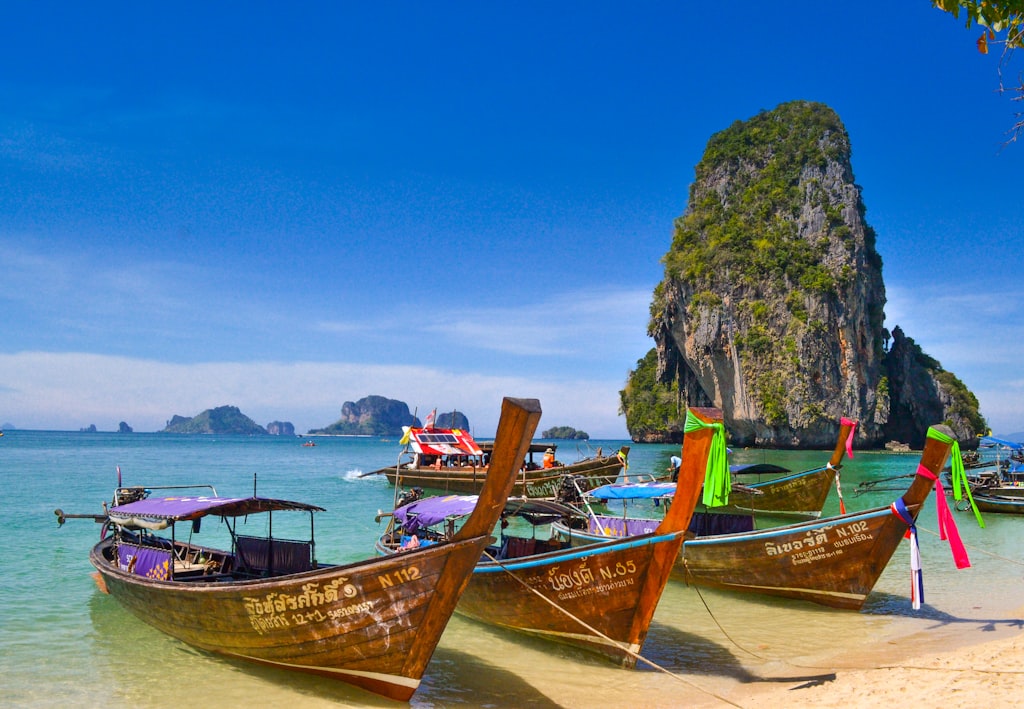
Thailand expanded its SMART Visa program in early 2026, extending eligibility to a broader range of remote workers beyond the tech and startup sectors. This visa offers stays of up to 5 years with flexible renewal, making it highly attractive for long-term independent professionals.
Key Features
- Requirements: Proof of remote work and income; health insurance mandatory.
- Fees: Application and renewal costs approx. THB 20,000-30,000 ($570-$850 USD).
- Duration: Up to 5 years initial, renewable.
- Family: Dependents allowed.
- Lifestyle: Affordable living especially outside Bangkok, strong expat communities, tropical climate.
Thailand balances affordable living with modern amenities and quality healthcare, particularly in cities like Chiang Mai and Bangkok.
United Arab Emirates: Attractive Long-Term Residency for Investors & Remote Professionals

The UAE continues innovating to capture high-net-worth remote workers through its revamped 10-year Golden Visa program. Lowering investment thresholds to AED 1 million (~$272,000 USD) and extending long-term residency to retirees aged 55+ with modest income requirements, the UAE maximizes appeal for remote professionals and entrepreneurs.
What Remote Workers Should Know
- Income threshold for retirees: AED 20,000/month (~$5,450 USD).
- No income tax and premium healthcare infrastructure.
- Fast processing and world-class urban facilities.
- Family visas included for spouses and children.
Dubai, Abu Dhabi, and Sharjah offer vibrant expat hubs with plentiful amenities, but living costs are considerably higher than many other long-term visa destinations.
Poland: Affordable European Option with Simplified Remote Work Visa

Poland’s newly introduced remote work visa rules (late 2025) are gaining attention among cost-conscious remote workers seeking an EU base without the high costs of Western Europe.
Visa Snapshot
- Income requirement: No fixed minimum, but proof of financial means (~€1,300/month recommended).
- Duration: Up to 1 year initially; renewable.
- Healthcare: Public and private options available.
- Cost of living: Roughly €800-€1,100/month including rent in Kraków and Warsaw.
- Safety: High compared to some Eastern European countries.
This new visa targets freelancers, self-employed, and online entrepreneurs wanting EU residency with access to the Schengen zone.
Quick Tip: Use Poland’s mix of urban and natural settings to balance city living with outdoor recreation at affordable prices.
Italy: New Tax Incentives with Digital Nomad Visa (Same-Sex Digital Nomad Program)

Italy introduced its innovative Same-Sex Digital Nomad Visa in mid-2026 to attract entrepreneurial talent and curb brain drain, featuring flat 7% tax on foreign income up to €100,000 for the first 5 years.
Key Points
- Eligibility: Freelancers and entrepreneurs working remotely or investing in Italy.
- Income: Proof of steady revenue required; tax incentives are a major draw.
- Duration: Initial 1 year, renewable.
- Family: Sponsors can include family members on dependents visas.
- Lifestyle: Combines Italy’s rich culture, healthcare, and Mediterranean climates.
These tax-friendly rules give Italy a unique edge among European remote work visa options.
Mexico: Popular for Nearshoring and Family-Friendly Remote Work Visas

Mexico’s Temporary Resident Visa allows stays up to 4 years, with recent leniency in income thresholds, typically around $2,000 USD monthly for individuals. It’s a great choice for North American remote workers seeking low-cost living and proximity.
Benefits Include
- Easy application from abroad or within Mexico.
- Access to quality private healthcare and international schools.
- Family members can apply as dependents.
- Cities like Mexico City, Playa del Carmen, and Guadalajara have growing remote work communities.
Mexico combines warm weather with infrastructure improvements and competitive visa options for long-term remote working.
Costa Rica: Retiree and Remote Work Friendly with Improved Healthcare Access

Costa Rica’s revamped Pensionado Program lowered monthly income requirements to $1,200, making it accessible for retirees and semi-retired remote workers.
Program Highlights
- Residency valid for 2 years initially, renewable.
- Access to public healthcare system (Caja), gaining upgrades in service quality.
- Family can join visa holders under certain conditions.
- Renowned for safety, biodiversity, and mild tropical climate.
Costa Rica suits remote workers seeking a relaxed lifestyle with excellent natural surroundings and robust expat networks.
Comparison Table: Top Long-Term Remote Work Visas Without Employer Sponsorship in 2026
| Country | Visa Name | Income Req. | Duration | Family Inclusion | Approx. Cost of Living (monthly) | Healthcare Quality | Key Perk |
|---|---|---|---|---|---|---|---|
| Portugal | Digital Nomad Visa | €2,500/month | 1 year, renewable | Yes | €1,200 - €1,700 | High (public + private) | EU residency + Schengen access |
| Spain | Non-Lucrative Residency Visa | €2,333/month | 1 year, renewable | Yes | €1,100 - €1,600 | High | Low income threshold, EU benefits |
| Thailand | SMART Visa | Proof of remote income | Up to 5 years | Yes | $700 - $1,200 | Medium-High | 5-year visa; low fees |
| United Arab Emirates | Golden Visa | AED 20,000/month (for retirees) or investment | 10 years | Yes | $2,500+ | Very high | Zero income tax + long-term residency |
| Poland | Remote Work Visa | ~€1,300/month suggested | 1 year | Yes | €800 - €1,100 | Medium-High | Affordable EU living + Schengen access |
| Italy | Same-Sex Digital Nomad Visa | Proof of income | 1 year, renewable | Yes | €1,500 - €2,000 | High | 7% flat tax rate for 5 years |
| Mexico | Temporary Resident Visa | ~$2,000/month | Up to 4 years | Yes | $800 - $1,200 | Medium | Proximity to US + affordable living |
| Costa Rica | Pensionado Program | $1,200/month | 2 years renewable | Yes | $900 - $1,300 | Medium | Access to public healthcare, safety |
How to Use the Relocation Wizard to Find Your Ideal Remote Work Visa Country
Our Relocation Wizard asks a few simple questions about your income, family status, preferred climate, and more, then matches you with countries that fit your profile for remote work visas without employer sponsorship. This personalized starting point saves time and helps you identify the best official options matching your lifestyle and work needs.
Quick Tip: Have your proof of income, passport details, and health insurance info ready when starting your visa application to avoid delays.
Using the cost-of-living calculator in tandem helps refine your budget expectations for your preferred destinations.
Frequently Asked Questions
What exactly qualifies as a "long-term remote work visa without employer sponsorship"?
This visa type allows individuals to live legally in a country for extended periods (often 1 to 5 years) while working remotely for clients or employers outside the host country. No local employment or employer sponsorship is required, supporting freelancers, entrepreneurs, and self-employed professionals working online.
Are family members typically allowed on these visas?
Most countries offering long-term remote work visas now permit spouses, dependent children, and sometimes parents to apply as dependents. These family members often receive similar residency rights and some countries grant work or education access.
How do income requirements vary among these visas?
Income thresholds vary widely, generally ranging from roughly $1,200 per month (Costa Rica) to over €2,500 (Portugal). Some countries require proof of steady income or savings, while others expect investment amounts (UAE). It’s essential to check individual visa criteria carefully.
Do these visas lead to permanent residency?
Many digital nomad and remote work visa programs allow renewals up to 5 years, after which the visa holder may apply for permanent residency or citizenship depending on local immigration laws.
Final Thoughts
If you’re a remote worker seeking legal stability abroad without being tied to an employer, long-term remote work visas without employer sponsorship offer exciting opportunities worldwide in 2026. Countries like Portugal, Spain, Thailand, and United Arab Emirates lead global efforts to attract remote professionals by lowering barriers, extending visa durations, and offering family-friendly policies.
Explore your options today with our free Relocation Wizard to discover the countries best suited for your ideal remote lifestyle. Don’t forget to use our cost-of-living calculator to fine-tune your budget and set yourself up for a smooth international move and enriching new chapter abroad.