How to Move Abroad in 2026 with a Low Initial Investment

Not sure where to start? Our free Relocation Wizard matches you to your ideal country in minutes.
Key Takeaways
- Moving abroad with low investment is achievable in 2026 by targeting emerging visa programs and regions with reduced financial thresholds.
- Countries like Portugal, Georgia, and select Caribbean nations offer residency routes that combine affordability, quality healthcare, and good connectivity for remote workers and expats.
- Understanding visa requirements, living costs, and tax regimes is key to balancing a modest budget with a desirable lifestyle abroad.
- Tools like the Relocation Wizard and cost-of-living calculator simplify planning by matching expats to suitable countries and estimating budgets.
How to Move Abroad with Low Investment in 2026: A Practical Guide
Relocating overseas no longer demands massive upfront capital. The global shift toward remote work and economic diversification has triggered countries to tailor visa programs that attract expats and digital nomads with modest income or investment levels. This article explores realistic, low-investment pathways for moving abroad in 2026, focusing on visa options, country-specific affordability, and strategic planning essentials.
Choosing to move abroad with low investment requires more than just spotting cheap real estate or visa fees. It demands balancing visa eligibility, cost of living, healthcare quality, internet reliability, and local lifestyle. Let's explore where and how you can feasibly relocate with smart budgeting and legal clarity.
Quick Tip: Before committing financially, use the Relocation Wizard to find countries matching your income, profession, family situation, and visa preferences.
Why Low-Investment Moves Are Trending in 2026
The COVID-19 pandemic accelerated remote work everywhere, and governments reacted swiftly to attract new residents who bring economic activity without straining local job markets. Visa reforms and incentives now reward digital nomads, self-employed workers, and retirees with lower-than-ever capital and income demands.
Simultaneously, inflation and currency fluctuations affected living costs worldwide, making some established expat hubs less accessible to moderate budgets. Thus, alternatives have emerged in less saturated but quality-rich locations.
Portugal: Affordable Residency Beyond Lisbon and Porto

Since 2023, Portugal revamped its Golden Visa, restricting eligible real estate investments in popular coastal and city centers to promote inland regional development. This shift presents a golden opportunity for aspiring expats willing to explore areas like Alentejo or the Douro Valley, where property prices and living expenses are substantially lower.
Portugal’s Golden Visa Requirements for 2026
- Minimum investment: €500,000 in real estate or €350,000 in renovated properties in eligible inland zones.
- Residency obligation: Seven days per year minimum physical presence.
- Benefits: Full residency, freedom of movement in the Schengen Area, possibility to obtain citizenship after five years.
For many digital nomads and retirees, €350,000–€500,000 is still a significant sum but less expensive than alternative EU programs demanding €1 million or more.
Living Costs and Lifestyle in Portugal’s Inland Regions
- Monthly rent of furnished 1-bedroom apartments: €400–600.
- Healthcare: High-quality public and private options with low costs.
- Internet: Reliable fiber-optic widely available, crucial for remote work.
- Local culture: Tranquil lifestyle, regional gastronomy, and mild climate.
Quick Tip: Consider regions like Castelo Branco or Guarda to combine affordability with easy access to Lisbon for occasional visits or business.
Spain: The Digital Nomad Visa and Beyond

Spain’s “Startup Law,” introduced in mid-2023, newly formalises remote work and entrepreneur residency with a streamlined Digital Nomad Visa designed for non-EU nationals. This visa perfectly suits freelancers and small business owners aiming to settle affordably.
Spain’s Digital Nomad Visa Essentials
- Income requirement: Approximately €2,000/month, or €24,000/year in stable foreign earnings.
- Duration: Initially two years, renewable.
- Tax perks: 24% flat rate on income for the first five years—much lower than the regular 45% maximum rate.
- Residency flexibility: No minimum stay, enabling lifestyle flexibility.
Valencia and Seville have emerged as top secondary destinations for remote workers, thanks to lower rental costs (compared to Madrid/Barcelona), vibrant cultural scenes, and strong digital infrastructure.
Cost of Living Highlights in Southern Spain
| Category | Valencia (per month) | Madrid (per month) | Seville (per month) |
|---|---|---|---|
| Rent (1BR apt) | €600 – €800 | €900 – €1,100 | €550 – €750 |
| Utilities | €80 – €110 | €100 – €130 | €70 – €100 |
| Food & Transport | €300 – €400 | €400 – €500 | €250 – €350 |
Quick Tip: Use the cost-of-living calculator to compare these cities based on your lifestyle preferences and budget.
Georgia: Low-Cost Digital Nomad Hub with Tax Benefits

Georgia continues its ascent as a magnet for digital nomads and budget-conscious expats pursuing a move abroad with low investment. Its "Remotely from Georgia" visa requires only proof of $2,000 monthly income, with zero tax on foreign-earned income, a huge attraction for self-employed professionals.
Visa and Living Conditions in Georgia
- Visa: “Remotely from Georgia” offers residency for up to one year with easy extension options.
- Income proof: $2,000/month from a remote employer or client base.
- Cost of living: Extremely affordable; rent in Tbilisi averages $200-$350, utilities and groceries comparatively low.
- Healthcare: Improving private clinics, affordable and accessible.
- Internet: Reliable high-speed internet, essential for remote work.
Why Georgia Is Ideal for Expats on a Budget
Its strategic position between Europe and Asia also benefits those in specialized industries or who travel frequently, while the vibrant expat community offers valuable social support and networking.
Caribbean Remote Work Visas: Family-Friendly and Tax Efficient
The Caribbean islands have capitalized on remote work trends by launching flexible visitor/residency permits. Notably, Barbados and the Bahamas simplified and lowered income thresholds while enhancing healthcare and family-oriented measures.
Barbados “Welcome Stamp” Program
- Income threshold: Reduced to $50,000/year to qualify.
- Duration: One year, renewable.
- Healthcare: Virtual health insurance accepted, expanding eligibility.
- Lifestyle: Tropical climate, English-speaking, Easterly time zone favorable for North American/European remote workers.
Bahamas Digital Work Permit
- Duration: 12-month permit, renewable.
- Target: Especially family applicants looking for high quality healthcare and safety.
- Cost: Application fees approximately $1,000, plus health insurance premiums.
- Healthcare: High-quality private hospitals comparable to U.S. standards.
Quick Tip: Caribbean remote work visas often waive local income tax, making them cost-effective options for upper-moderate incomes balancing investment and lifestyle.
United Arab Emirates: Premium Options with Growing Flexibility

While the UAE has a higher cost profile, its expanding 10-year Golden Visa and remote work permits now cater to freelancers and entrepreneurs. The entry barrier is higher than Portugal or Georgia but still relatively accessible compared to Western countries.
Key Points on UAE Residency
- Golden Visa investment: AED 500,000 (
$136,000) minimum or proof of specialized skills and monthly income above AED 30,000 ($8,160). - Free zones: Business-friendly zones offering freelance permits allow residence with minimal costs (starting ~$2,500/year).
- Living costs: Prime areas remain expensive, but Sharjah or Ras Al Khaimah offer 25-40% cheaper rents.
- Benefits: Zero income tax, world-class infrastructure, top healthcare access.
For those whose budget allows, the UAE offers a safe, cosmopolitan environment with tax efficiency and global connectivity.
Southeast Asia: Thailand’s Long-Term Resident Visa for Digital Nomads
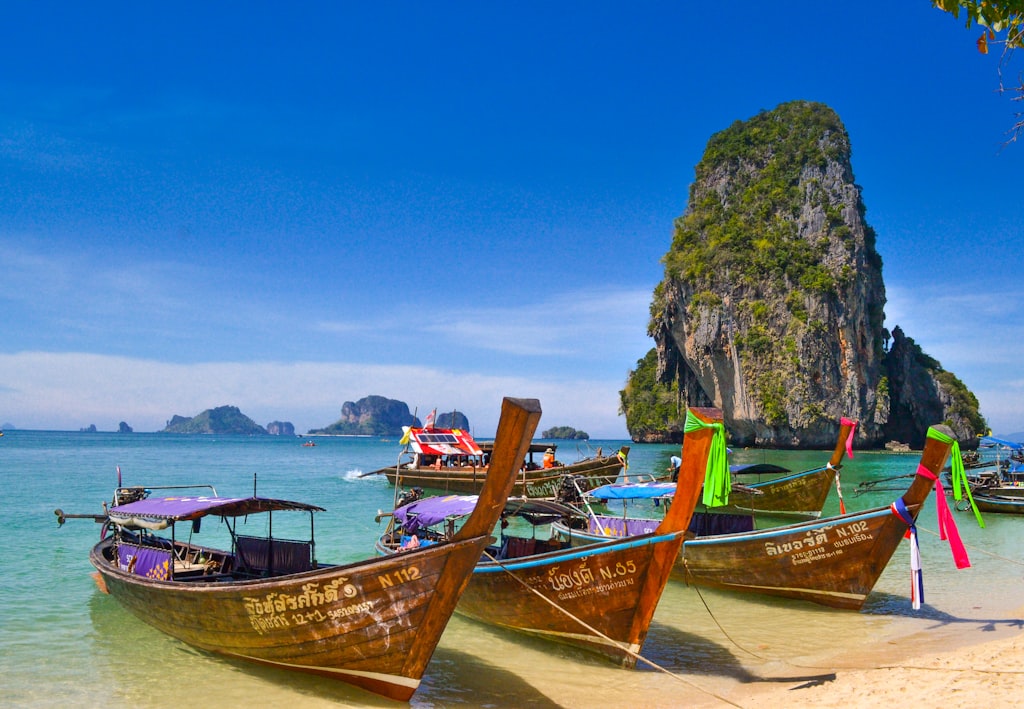
Southeast Asia still beckons despite inflationary pressures. Thailand's Long-Term Resident (LTR) Visa targets affluent digital nomads, retirees, and qualified professionals with a minimum annual income or asset requirement of THB 2 million (~$55,000).
Thailand LTR Visa Breakdown
- Eligibility: Wealthy professionals, digital nomads with proof of stable income, or retirees.
- Benefits: 5-year multiple-entry visa with business incentives.
- Cost of living: Rising by 10-12%, but still competitive.
- Healthcare: World-class private hospitals at affordable prices.
- Popular cities: Chiang Mai and Bangkok.
Quick Tip: With currency volatility impacting budgets, projecting your income in USD/EUR terms against local costs is essential before committing.
Practical Steps to Move Abroad with Low Investment in 2026
- Assess your financial capacity realistically: Consider your initial capital, monthly income, and emergency savings.
- Choose countries with visa programs matching your profile: Remote worker visas typically demand stable income, while investment visas involve capital deployment in real estate or local businesses.
- Research living costs and quality of life: Use our cost-of-living calculator to estimate rent, utilities, food, and healthcare expenses.
- Plan visa application logistics: Many countries require proof of income, criminal background checks, health insurance, and valid passports.
- Consider tax implications: Some countries tax foreign income; others do not. Check if the country has double taxation treaties for your homeland.
- Leverage technology: Use the Relocation Wizard frequently through your research to fine-tune options and prioritise destinations.
Frequently Asked Questions
What is the best country to move abroad with low investment in 2026?
The best choice varies by your budget and priorities. Georgia and Portugal offer some of the lowest entry thresholds with good quality of life and strong visa options. The Caribbean and Spain also stand out for remote workers with moderate income.
How much money do I realistically need to move abroad on a tight budget?
Visa minimums range from $2,000/month (Georgia’s nomad visa) to €350,000 in property investment (Portugal's inland Golden Visa). Living costs vary widely, but many affordable cities offer monthly expenses under $1,500 including rent, utilities, and food.
Can I work remotely on a low investment visa?
Yes—digital nomad/residence visas like those in Spain, Georgia, and the Caribbean are expressly designed for remote work, requiring proof of stable income from a foreign employer or self-employment.
What are the hidden costs of relocating abroad with low investment?
Aside from visa fees and investments, budget for health insurance, flights, initial housing deposits, local transport, and contingencies. Legal advice or translation services for visa applications may also be necessary.
Final Thoughts
Moving abroad with low investment in 2026 is more achievable than ever thanks to evolving visa policies and diverse global destinations. By balancing budget, lifestyle quality, visa ease, and tax implications, you can craft a relocation plan that fits your modest means while enhancing your life and work freedom.
Start your journey by using our Relocation Wizard to identify destinations tailored to your needs and ambitions. Then, ensure financial clarity by calculating expenses with the cost-of-living calculator. With careful planning, moving abroad in 2026 can be an exciting, affordable reality.