Golden Visa Programs Still Open in 2026: Costs Compared

As of November 2026, the main golden visas still open to new applicants are Greece (from EUR 250,000), Portugal (EUR 500,000 in funds, no property), Italy (from EUR 250,000), Malta (about EUR 99,000 in fees plus a home), Cyprus (EUR 300,000), the UAE (AED 2 million), Panama (from USD 300,000), the US EB-5 (USD 800,000) and New Zealand (NZD 5 million). Hungary's program is set to close to new applicants on 1 January 2027, Latvia dropped its property route on 15 September 2026, and Spain's golden visa has been closed since April 2025.
None of the European programs sells a passport. They sell residence, and citizenship still takes 7 to 10 years of residence plus language or civics tests in most countries.
Not sure an investment route is even the right one for you? The Relocation Wizard matches you to countries on cost, climate, healthcare and visa options in a few minutes.
Key Takeaways
- Still open in the EU: Greece, Portugal, Italy, Malta and Cyprus. Latvia only offers a company investment route now, and Hungary takes applications until 31 December 2026 if its draft law passes as published.
- Cheapest real entry points: Greece EUR 250,000 (building conversion or restoration), Portugal EUR 250,000 (cultural donation), Italy EUR 250,000 (innovative startup), Panama USD 300,000 (new-build home).
- Property is no longer the default: Portugal, Spain and Latvia no longer accept it, and Greece bans short-term letting of golden visa homes.
- Citizenship is slow: Portugal 10 years (7 for EU and Portuguese-speaking countries), Italy 10, Cyprus 8 of the last 11, Greece 7 plus an exam. Only Turkey and the Caribbean sell citizenship directly.
- Dates to watch: US EB-5 fees rise on 30 November 2026, the EB-5 investment amounts adjust for inflation on 1 January 2027, and Greece plans a 15% transfer tax for non-EU-resident buyers from 1 July 2027.
Which golden visas are still open (November 2026)
| Program | Cheapest route | What you get | Path to citizenship | Watch out |
|---|---|---|---|---|
| Greece | EUR 250,000 (convert or restore a building); EUR 400,000 or 800,000 for a home | 5-year renewable permit, no minimum stay | 7 years of residence plus a language and civics exam | Short lets banned; 15% tax bill for non-EU-resident buyers |
| Portugal | EUR 250,000 cultural donation; EUR 500,000 fund | Residence permit, 7 days in year one, then 14 days per 2 years | 10 years (7 for EU and CPLP citizens) | No property route; long AIMA backlog |
| Italy | EUR 250,000 innovative startup | 2-year permit, then 3-year renewals | 10 years of residence | Optional EUR 300,000 a year flat tax on foreign income |
| Malta | About EUR 99,000 in fees plus rent from EUR 14,000 a year | Permanent residence from approval | Investment route ended in 2025 | Must also hold EUR 500,000 in assets |
| Cyprus | EUR 300,000 new property plus EUR 50,000 a year income | Permanent residence from approval | 8 of the last 11 years | Tighter rules announced, no details yet |
| United Arab Emirates | AED 2 million (about USD 545,000) property | 10-year visa, long absences allowed | By nomination only | Check how a mortgaged home counts |
| Turkey | USD 400,000 property held 3 years | Citizenship directly | Immediate | Title and currency risk |
| Panama | USD 300,000 new-build property | Permanent residence directly | Naturalisation after 5 years | New thresholds since 16 Sep 2026 |
| US EB-5 | USD 800,000 in a targeted area | Green card (conditional for 2 years) | 5 years after the green card | Fees up 30 Nov 2026, amounts up 1 Jan 2027 |
| US Gold Card | USD 1 million gift plus USD 15,000 fee | Green card (EB-1 or EB-2) | 5 years after the green card | One approval reported by April 2026 |
| New Zealand | NZD 5 million over 3 years | Resident visa, 21 days in NZ | Needs years of actually living there | Very high entry point |
| Caribbean (5 countries) | USD 200,000 contribution (Dominica) | Citizenship directly | Immediate | US and EU visa pressure on these passports |
| Hungary | EUR 250,000 property fund | 10-year permit | Ordinary naturalisation | Closing: file and pay by 31 Dec 2026 |
Figures are as of November 2026 and come from the official pages and law firm summaries linked in each section below.
Deadlines in the next 12 months
| Date | What changes | What it means for you |
|---|---|---|
| 30 Nov 2026 | US EB-5 petition fee rises to USD 7,850 (from USD 3,675) and the Integrity Fund fee to USD 1,100, per Fragomen | Filing this month saves over USD 4,000 |
| 31 Dec 2026 | Hungary: last day to file and pay under current rules (draft law) | Permits will not be extended, so you get 10 years at most |
| 1 Jan 2027 | EB-5 minimum investment adjusts for inflation; DHS has not published the new figure | Law firms expect petitions filed before then to keep USD 800,000 / 1,050,000 |
| 16 Mar 2027 | Panama: last day to file under the old rules for investments made before 16 Sep 2026 | Only matters if you already bought |
| 1 Jul 2027 | Greece: 15% transfer tax on homes bought by people tax resident outside the EU/EEA (bill, not law) | 15% of a EUR 400,000 home is EUR 60,000 |
| 30 Sep 2027 | US EB-5 regional center program authorisation ends unless Congress renews it | Check the project's timeline |
Europe, program by program
Greece: the cheapest EU property route, with new strings

Since Law 5100/2024, the property minimum depends on where you buy: EUR 800,000 in Attica, the Thessaloniki area, Mykonos, Santorini and islands with more than 3,100 residents, and EUR 400,000 everywhere else. It must be a single property of at least 120 square metres. The EUR 250,000 tier survives only for converting commercial buildings to homes or restoring listed buildings, according to an IBA analysis of the 2024 to 2026 changes. Law firms also describe a EUR 250,000 route into startups registered with Elevate Greece.
- What you get: a 5-year renewable permit for you, your spouse and unmarried children under 21, with no minimum stay. It does not let you take a job in Greece, according to the law firms we checked.
- Fees: EUR 2,000 for the main applicant on renewal plus EUR 16 for the card (Ministry of Migration); the first application is reported at EUR 2,000 plus EUR 150 per adult family member.
- The catch: short-term letting (under 60 days) of a golden visa home means revocation and a EUR 50,000 fine. On 15 October 2026 the migration minister said permits will also be revoked for hidden price rebates (IMI Daily). A bill tabled on 3 November would add a 15% transfer tax (about 15.45% with the municipal surcharge) for buyers tax resident outside the EU/EEA, on contracts signed from 1 July 2027 (report). It is not law yet.
- Citizenship: naturalisation needs 7 years of residence and the Greek knowledge exam (PEGP). Golden visa years can count, but the decision is discretionary and years spent mostly abroad may not help.
Suits: people who want a Mediterranean base they will actually use, and long-term landlords. Not for: anyone planning holiday lets to cover costs.
Portugal: funds only, and a long queue
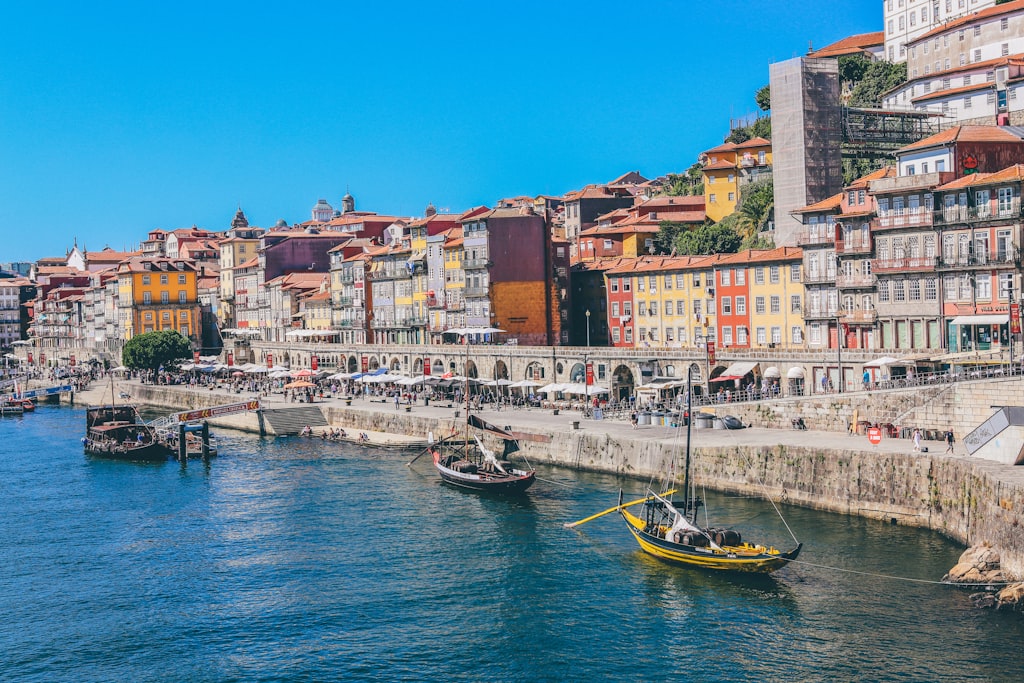
Real estate and capital transfers stopped qualifying on 7 October 2023 (Lei 56/2023). The routes still open are EUR 500,000 in a qualifying investment fund, EUR 500,000 in research, EUR 250,000 for arts or heritage, or creating 10 jobs (Legal 500 summary). Funds can no longer invest in residential property.
- Stay rule: 7 days in the first year, then 14 days in each 2-year period. This is the main reason people still choose Portugal.
- Fees: the permit grant fee was reported at EUR 8,418.90 and the renewal at EUR 4,210.30 after a March 2026 increase (Renascenca).
- The catch: on 7 October 2026 the government told parliament that about 6,000 of roughly 46,000 pending golden visa files had been processed, with a target to clear the backlog by the end of 2026 (report). Advisers quote 14 to 18 months for new files. Demand has not dropped: 2,685 permits were granted in 2025, a record (ECO).
- Citizenship: since 19 May 2026, 10 years of legal residence for most nationalities and 7 for EU and Portuguese-speaking countries, counted from the first residence permit, plus language and civics knowledge. Our Portugal citizenship guide covers who keeps the old 5-year rule.
Suits: investors who want EU residence with almost no presence and can wait. Not for: anyone counting on a passport in 5 years.
Italy: startups, companies or bonds, plus a flat tax
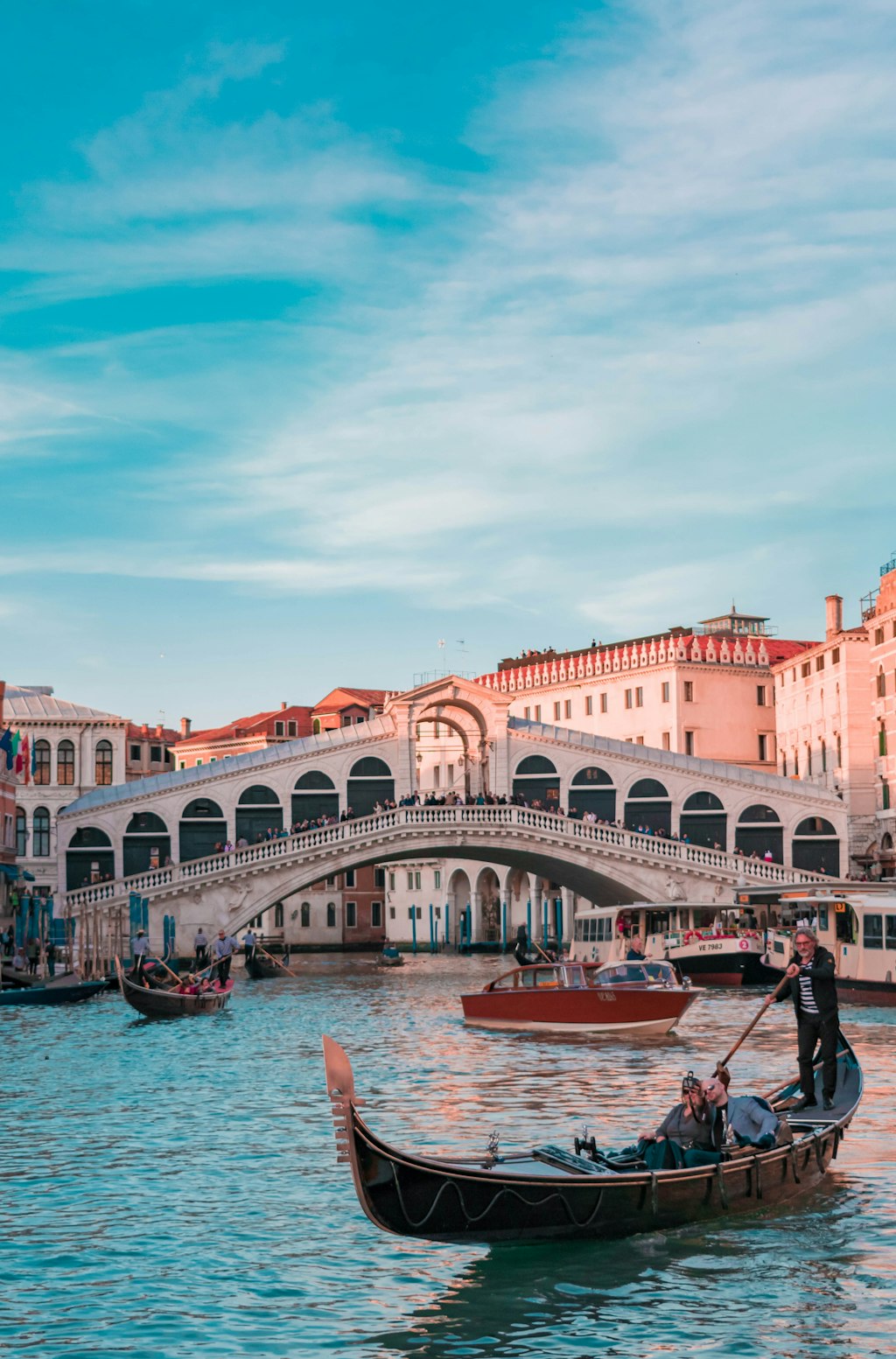
Italy's investor visa asks for EUR 250,000 in an innovative startup, EUR 500,000 in an Italian company, a EUR 1 million donation to culture, education or research, or EUR 2 million in government bonds. The clearance (nulla osta) is issued within 30 days and the visa lasts 2 years (Ministry of Enterprise), followed by 3-year renewals while the investment is kept.
Separately, people who move their tax residence to Italy can pay a flat tax on all foreign income. For moves from 1 January 2026 it rose to EUR 300,000 a year, plus EUR 50,000 per family member, under the 2026 Budget Law (Fiscal Focus). It was EUR 100,000 until August 2024.
Suits: founders and angel investors who will actually live in Italy, and very high earners using the flat tax. Not for: passive investors: the startup and company routes put real money at real risk, and citizenship takes 10 years of residence.
Malta: permanent from day one, but the fees are gone for good

Malta's Permanent Residence Programme (MPRP) costs, per the official rules: a EUR 60,000 administration fee, a EUR 37,000 government contribution (the same whether you buy or rent since 2025), a EUR 2,000 donation to a local NGO, EUR 7,500 for each adult dependant other than your spouse, and EUR 500 per residence card. You must also buy a home for at least EUR 375,000 or rent one for at least EUR 14,000 a year, keep it for 5 years, and hold at least EUR 500,000 in assets (EUR 150,000 of it financial). Applications go through a licensed agent.
Worked example (our calculation): a single applicant who rents spends EUR 99,000 in non-refundable fees plus at least EUR 70,000 in rent over 5 years, so about EUR 170,000 before agent and legal fees.
The citizenship-by-investment program is gone: the EU Court of Justice ruled against it on 29 April 2025, and Malta replaced it with a discretionary merit route (CC Malta).
Suits: English speakers who want permanent EU residence for a family without a large asset purchase. Not for: anyone who wants the money back: most of it is fees.
Cyprus: permanent residence with an income test
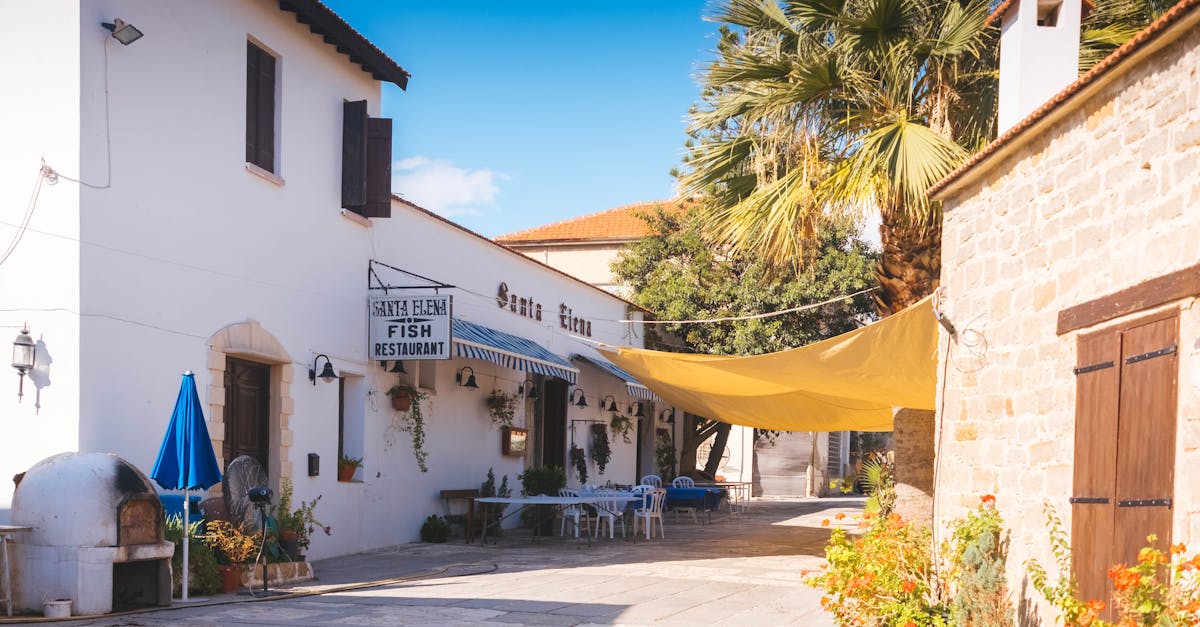
Cyprus grants permanent residence for EUR 300,000 (excluding VAT) in new residential property bought from a developer, or in commercial property, a Cypriot company or a Cyprus fund. Since May 2023 you also need EUR 50,000 a year of income from abroad, plus EUR 15,000 for a spouse and EUR 10,000 per child (EY alert). The permit lapses if you stay away for 2 years.
On 24 September 2026 the deputy migration minister said the scheme will be tightened before Cyprus joins Schengen, and that about 12,000 permits issued since 2013 are being re-checked (Cyprus Mail). No new rules were published by mid-November. Naturalisation takes 8 of the last 11 years, or 4 to 5 years for highly qualified workers with Greek at B1 or A2 (European Commission).
Hungary: last call until 31 December 2026
Hungary's Guest Investor Programme takes EUR 250,000 in real estate fund units held for 5 years, or a EUR 1 million donation to a university, for a permit of up to 10 years. On 4 November 2026 the interior minister put a draft law out for consultation (comments closed 12 November) that ends the program on 1 January 2027 (IMI Daily, Portfolio). As reported, applications filed with the fee paid by 31 December are decided under the current rules, and existing permits stay valid until they expire but cannot be extended. Parliament had not passed it as of 13 November.
Latvia: only the company route is left
Latvia's new Immigration Law took effect on 15 September 2026 and ended new permits for buying property and for subordinated bank obligations (PMLP). What remains is EUR 50,000 in the share capital of a smaller company (EUR 100,000 for a larger one) plus EUR 10,000 to the state budget, for a permit of up to 2 years instead of 5 (law text). A EUR 150,000 state fund route exists on paper but the fund has not been set up. Existing property investors can renew for up to 5 years if they apply while their permit is valid.
Spain: closed, and no sign of a return
Spain stopped accepting investor residence applications, including the property route, on 3 April 2025 (La Moncloa). Existing permits stay valid. If Spain is the goal, the realistic routes are the non-lucrative visa for passive income or the Spain digital nomad visa for remote workers.
Outside Europe
United Arab Emirates
Owners of property worth at least AED 2 million can get a 10-year renewable residence visa, according to the Dubai Land Department. The federal u.ae portal confirms the AED 2 million minimum and lets golden visa holders stay outside the country longer than the usual six months and sponsor their spouse and children. Its eligibility table is less clear about 5 or 10 years for property, so confirm the term with the land department of your emirate. Off-plan homes from approved developers generally count; for mortgaged homes, agencies disagree on whether the full value or only the paid share counts.
There is no personal income tax. Citizenship is by nomination only, so treat the UAE as a long-term base, not a step to a passport.
Turkey
Turkey sells citizenship, not residence: USD 400,000 in property with a 3-year no-sale restriction on the title, or USD 500,000 in a bank deposit, government bonds, funds, a private pension or fixed capital, also held 3 years (Invest in Turkiye). Claims online that the threshold dropped to USD 300,000 are wrong: the official page still says USD 400,000. Get an independent valuation in dollars and check the title before you wire money.
Panama
Executive Decree 17, in force since 16 September 2026, rewrote the Qualified Investor visa: USD 300,000 for a new-build home, USD 500,000 for a resale home or securities, and fixed deposits of USD 500,000 at Banco Nacional or Caja de Ahorros or USD 750,000 at a private bank, each held 5 years (law firm summary). It grants permanent residence directly, with a government fee of USD 5,000 plus a USD 5,000 repatriation deposit for the main applicant. Naturalisation is possible after 5 years. We could not read the decree in the official gazette, so check the figures with a Panamanian lawyer.
United States: EB-5 and the Gold Card
The EB-5 program requires USD 1,050,000, or USD 800,000 in a targeted employment area or infrastructure project, creating at least 10 full-time jobs. Set-aside visas (rural, high unemployment, infrastructure) were current for every country, including China and India, in the November 2026 Visa Bulletin, while the unreserved line for China sat at 1 December 2016 (Wolfsdorf copy of the bulletin). For Chinese and Indian investors, a set-aside project is the difference between a few years and roughly a decade in the queue.
The Gold Card is a USD 1 million gift to the US government plus a USD 15,000 fee per person, filed on Form I-140G after registering at trumpcard.gov. It leads to an EB-1 or EB-2 green card, subject to visa availability, and every family member pays separately. The Commerce Secretary told Congress on 23 April 2026 that one application had been approved, with hundreds waiting (CBS News), and a lawsuit against the program is pending. EB-5 is the proven route; the Gold Card is still an experiment.
Once you hold a green card, the US taxes your worldwide income, which matters more than the investment amount for most families.
New Zealand
The Active Investor Plus visa needs NZD 5 million over 3 years in growth investments (21 days in New Zealand) or NZD 10 million over 5 years in a balanced mix (105 days, fewer with more growth investment). The English test was dropped on 1 April 2025, and fees start at NZD 27,470. Between April 2025 and 10 November 2026 it drew 1,021 applications and 531 approvals (Immigration NZ). Holders may buy a home worth more than NZD 5 million with Overseas Investment Office consent (LINZ).
Also open: Mauritius, Costa Rica and the Caribbean
- Mauritius: buying approved property for at least USD 375,000 gives residence to you, your spouse and children under 24 for as long as you own it (EDB Mauritius).
- Costa Rica: investor residence needs USD 150,000 in property or a business, for a 2-year renewable permit. What ended on 14 July 2026 was the Law 9996 window for import and transfer tax perks, not the residence route (CRIE). Some lawyers say the minimum returns to USD 200,000, so confirm before you invest.
- Caribbean citizenship: minimum fund contributions are USD 200,000 in Dominica, 230,000 in Antigua and Barbuda, 235,000 in Grenada, 240,000 in St Lucia and 250,000 in St Kitts and Nevis (Global Citizen Solutions, 12 Nov 2026). Per the same source, the EU can now suspend visa-free travel over investor citizenship schemes, and the US put partial visa restrictions on Antigua and Dominica nationals from 1 January 2026. Our second passport guide explains why these passports are riskier than they look.
Closed programs that old lists still show
| Program | Closed to new applicants |
|---|---|
| Latvia property and bank routes | 15 September 2026 |
| Canada Start-up Visa | Paused, last applications 30 June 2026 (IRCC) |
| Malta citizenship by investment | 2025, after the EU Court ruling of 29 April 2025 |
| Spain golden visa | 3 April 2025 |
| Australia Significant Investor and business visas (188/888) | 31 July 2024 |
| Netherlands investor residence | 17 April 2024 |
| Portugal property and capital transfer routes | 7 October 2023 |
| Ireland Immigrant Investor Programme | 15 February 2023 (Irish Immigration) |
| UK Tier 1 Investor visa | 17 February 2022 (GOV.UK) |
| Cyprus citizenship by investment | November 2020 |
How to choose
Start with what you actually want from the money:
- A place to live soon, with family: Malta, Cyprus or Greece in Europe; the UAE or Panama outside it. Compare day-to-day costs first, because you will pay them for years.
- A backup residence you rarely use: Portugal (14 days every 2 years), Greece (no minimum) or the UAE. Do not count on it for a passport: Portugal now needs 10 years plus language and civics tests, and Greece weighs how much you actually lived there.
- A second passport: in Europe, plan on 7 to 10 years of real residence. Turkey and the Caribbean are faster but carry travel and reputation risk.
- A lower tax bill: the UAE has no personal income tax; Italy's flat tax only pays off on very large foreign incomes. A golden visa alone does not make you tax resident anywhere.
- A US green card: EB-5 through a set-aside project is the established route, especially for Chinese and Indian nationals.
What living there costs, from the site's data (average monthly rent, and a cost of living index where the US is 100):
| Country | Average rent (USD/month) | Cost of living index |
|---|---|---|
| Greece | 631 | 49 |
| Hungary | 637 | 39 |
| Turkey | 916 | 40 |
| Panama | 1,024 | 46 |
| Malta | 1,187 | 54 |
| New Zealand | 1,459 | 66 |
| Portugal | 1,473 | 47 |
| Italy | 1,475 | 52 |
| Cyprus | 1,510 | 49 |
| United Arab Emirates | 2,226 | 54 |
Run your shortlist through the cost of living calculator and put the top two side by side in the country comparison tool.
Common mistakes
- Buying first, checking the rules second. A Greek flat under 120 square metres, a second property, or a home in Portugal or Latvia does not qualify any more.
- Treating the minimum as the cost. Malta's fees are gone for good, Portugal's permit fee is about EUR 8,400 per grant, Panama charges USD 5,000 plus a USD 5,000 repatriation deposit, and lawyers and agents add more.
- Expecting a passport from a part-time permit. Most EU naturalisation rules test real ties, language and civics, so a permit used two weeks a year rarely ends in a passport. Portugal, which counts legal residence, now asks for 10 years and tests.
- Ignoring home-country tax. Americans stay taxable on worldwide income wherever they live; our Portugal guide for Americans covers FEIE, FBAR and fund reporting.
- Trusting old lists. Spain, Latvia's property route and soon Hungary still appear as open on many sites.
Sources
- Residency Malta: MPRP legal framework
- USCIS: About the EB-5 visa classification
- USCIS: Form I-140G (Gold Card)
- Immigration New Zealand: Active Investor Plus visa
- Italian Ministry of Enterprise: Investor visa
- Latvia: Immigration Law (likumi.lv)
- IBA: The Greek golden visa after the 2024 to 2026 overhaul
- IMI Daily: Hungary proposes to abolish its golden visa from 2027
Frequently Asked Questions
Which golden visa is the cheapest in 2026?
In the EU, Latvia's company route starts at EUR 50,000 plus a EUR 10,000 state payment, but it gives a 2-year permit and needs a real business. The cheapest mainstream routes are Greece, Portugal and Italy at EUR 250,000 each, for building conversion, a cultural donation and a startup. Outside Europe, Costa Rica asks for USD 150,000 and Panama for USD 300,000.
Which golden visa leads to citizenship fastest?
Turkey and the Caribbean grant citizenship directly. Among residence programs, Panama allows naturalisation after 5 years and a US green card after 5 years. EU programs take 7 to 10 years of residence, and Portugal's wait doubled to 10 years in May 2026.
Can I still apply for Hungary's golden visa?
Yes, for now. Under the draft law, applications filed with the fee paid by 31 December 2026 are decided under the current rules, but permits cannot be extended later. It is a 10-year option at most, so it only makes sense if that horizon fits your plans.
Do I have to live in the country to keep a golden visa?
Usually not much. Greece has no minimum stay, Portugal asks for 7 days in the first year and 14 days per 2 years after that, the UAE lets holders stay away longer than six months, and New Zealand's growth category needs 21 days over 3 years. Citizenship and tax residence are different: both depend on where you actually live.
Next step
An investment visa only makes sense if you would be happy living in the country it opens. Before you commit six figures, take the Relocation Wizard to see which destinations fit your budget and priorities, then check what daily life there costs with the cost of living calculator.