Easiest Citizenship Paths in 2026: Where You Can Actually Get a Second Passport Fast

Citizenship rules moved fast in 2024–2025. Germany cut its residency requirement nearly in half. Italy slammed the door on most descent claims. Portugal kept its five-year clock but is now counting it differently. If a second passport is on your roadmap, the map you were using two years ago is already out of date. Compare destinations on naturalization timelines, tax, and lifestyle in the Relocation Country Wizard — and pressure-test affordability with our cost-of-living calculator before you commit to a five-year plan.
1. Argentina

Why Argentina?
- Two years of legal residency is the statutory floor for naturalization — one of the shortest in the world for a country with a strong, visa-friendly passport.
- No renunciation required: Argentina permits dual (and multiple) citizenship, so your original nationality stays intact.
- Low entry bar to residency: The Rentista visa requires roughly USD 2,000 in stable monthly income, and Buenos Aires consulates have processed family applications quickly through 2025.
- Mercosur passport access: Visa-free entry to most of South America and a strong rebound in global mobility rankings.
Quick Tip: The two-year clock is the legal minimum, not the practical median. Federal court backlogs in Buenos Aires can stretch real-world cases to three years — file in a smaller jurisdiction if you can establish genuine residence there.
2. Brazil

Why Brazil?
- Four years of permanent residency is the standard naturalization clock — reduced to one year for nationals of Portuguese-speaking countries, and to two years for applicants with a Brazilian child, spouse, or recognized services to Brazil.
- No renunciation required: Brazil has permitted dual citizenship since 1994, and the Brazilian passport offers visa-free access to the Schengen Area, UK, and most of South America.
- Low cost of living relative to the passport class: A four-year runway is genuinely affordable in mid-sized cities. Pressure-test the numbers in our cost-of-living calculator.
- Mercosur access: Easier onward residency rights across Argentina, Uruguay, and Paraguay.
Quick Tip: If you already speak Portuguese (or can certify B1 in a year), the one-year CPLP track is dramatically faster than any other Latin American route — and Federal Police processing for CPLP-based applications has been comparatively quick through 2025.
3. Germany
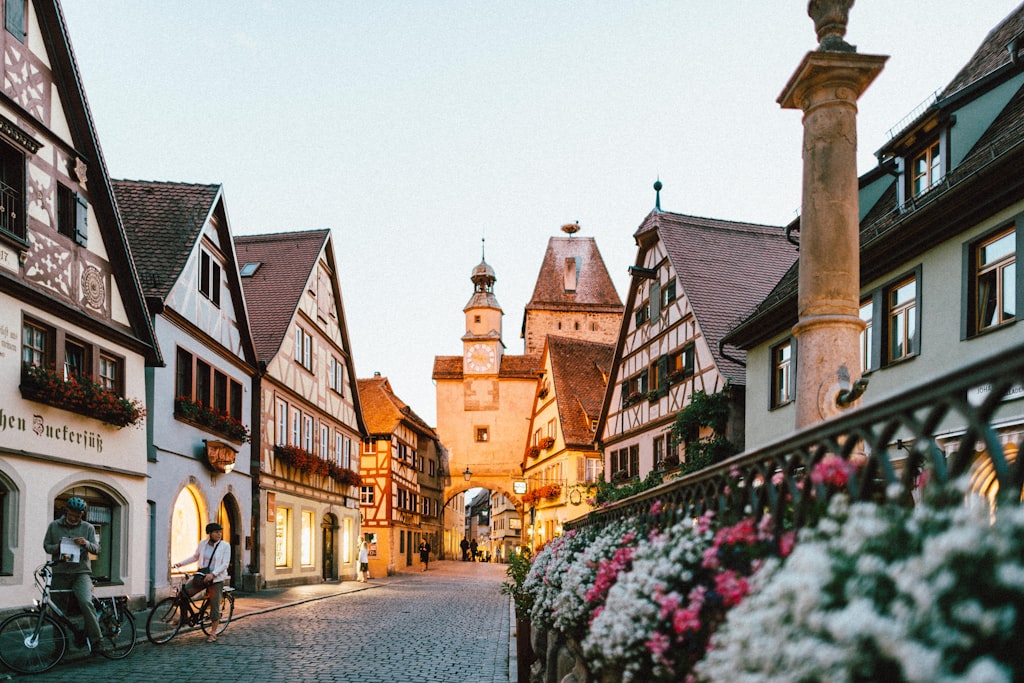
Why Germany?
- Five years, down from eight: The June 2024 citizenship reform cut standard naturalization to five years of legal residence, with a three-year fast track for applicants who demonstrate "special integration achievements" (C1 German, civic engagement, or strong professional contribution).
- Dual citizenship is now allowed across the board — the historic renunciation requirement was scrapped in the same reform.
- EU passport upside: Free movement across the EU/EFTA, visa-free access to ~190 destinations, and one of the strongest consular networks in the world.
- Predictable timelines: Most Länder are now processing reform-era applications within 12–18 months once the clock runs out.
Quick Tip: Begin language certification before you arrive. B1 is the minimum, but the C1 certificate is what unlocks the three-year track — and waiting lists for Goethe-Institut exams in Germany have grown materially since the reform passed.
4. Portugal
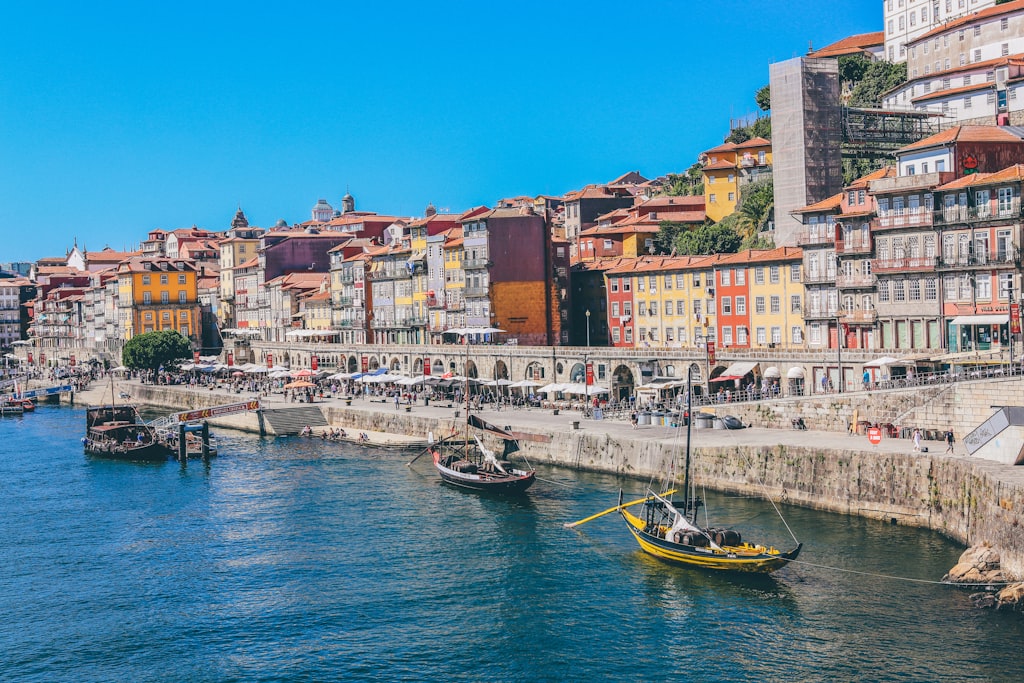
Why Portugal?
- Five-year naturalization track with a manageable A2 Portuguese requirement — still one of the shortest in Western Europe.
- 2024 clock change: Time now generally runs from the date residency was granted, not from the date the application was filed. Plan timelines accordingly if you applied under the old interpretation.
- Dual citizenship is fully accepted, and the Portuguese passport is consistently top-five globally for visa-free travel.
- EU citizenship payoff: Onward residency rights across all 27 member states.
Quick Tip: Listen for the political debate — a proposal to extend the residency requirement to seven or ten years has been floated repeatedly in 2025 parliamentary sessions. If you're close to eligibility under the current rule, file early.
5. Ireland

Why Ireland?
- Five years of reckonable residence in the last nine (four prior years plus a continuous final year) is enough for naturalization by residence — no language test, no formal integration exam.
- Citizenship by descent is broad and active: Anyone with an Irish-born grandparent can register on the Foreign Births Register, often without ever living in Ireland.
- EU passport, English-speaking jurisdiction, and free movement across the Common Travel Area with the UK regardless of Brexit.
- Dual citizenship has always been permitted.
Quick Tip: The Foreign Births Register has had multi-year backlogs since 2022. If you qualify by descent, file now — the document checklist is stable but the queue is the binding constraint.
6. Spain

Why Spain?
- Two-year fast track for Ibero-American applicants: Nationals of most Latin American countries, Andorra, the Philippines, Equatorial Guinea, Portugal, and Sephardic Jews can naturalize after just two years of legal residency.
- Ten years for everyone else — still long, but the alternative routes are unusually generous.
- EU citizenship and one of the world's strongest passports.
- Renunciation rule, with carve-outs: Spain technically requires giving up your original nationality, but Ibero-American applicants are explicitly exempt and many other nationalities are tolerated in practice.
Quick Tip: The Democratic Memory Law route for descendants of Spanish exiles closed to new applications in October 2024 — don't rely on outdated guides that still list it as active.
7. Italy

Why Italy (still)?
- Jure sanguinis (citizenship by descent) was sharply restricted in March 2025: The new law generally limits descent claims to applicants with an Italian-born parent or grandparent. Great-grandparent and earlier claims that hadn't been filed by the cutoff are largely closed.
- Standard naturalization remains ten years of legal residence for non-EU citizens, four years for EU citizens, and three years for ethnic Italians abroad.
- Marriage track: Two years of residence in Italy after marriage (three if living abroad), halved with children.
- EU citizenship, no renunciation required.
Quick Tip: If your descent claim was filed before the 2025 cutoff, your case is grandfathered under the old rules — but processing has slowed dramatically. Keep certified copies of every dispatch receipt.
8. Mexico

Why Mexico?
- Five years of legal residence for standard naturalization — two years for nationals of Latin American countries, Spain, Portugal, or for spouses and parents of Mexican citizens.
- Strong, increasingly mobile passport with visa-free access to the Schengen Area, the UK, Japan, and most of South America.
- Dual citizenship has been allowed since 1998.
- Low cost of relocation: A four- or five-year residency runway is genuinely affordable in most of the country — use our cost-of-living calculator to model the trade-off against the U.S. or Canada.
Quick Tip: The INM (immigration authority) and SRE (foreign ministry) operate separately — residency renewals and the citizenship application itself need to be tracked on different calendars. Don't let a residency lapse reset your naturalization clock.
9. Canada

Why Canada?
- Three years of physical presence in the last five as a permanent resident — among the shortest residency requirements in any major Western country.
- PR pathways are abundant: Express Entry, Provincial Nominee Programs, the Atlantic Immigration Program, and the Tech Talent Strategy are all active in 2026.
- Dual citizenship is permitted, and the Canadian passport routinely ranks in the global top ten.
- Language requirement is CLB 4 — well below the bar set by most European countries.
Quick Tip: "Physical presence" is literal. Days spent outside Canada don't count, and CBSA shares travel-history data with IRCC. Plan major travel deliberately during your three-year qualifying window.
10. Uruguay

Why Uruguay?
- Three years of residency for naturalization with a family in Uruguay, five years for single applicants — confirmed by the 2023 migration law clarifications and stable through 2025.
- Quiet, stable, and Mercosur-anchored: Strong rule of law, low corruption, and one of the most stable democracies in the region.
- Dual citizenship is permitted in practice (Uruguay's legal language is unusual but accepts retention of original nationality).
- Lower entry cost than Argentina or Chile for the same regional passport class — model the gap in our cost-of-living calculator.
Quick Tip: Uruguay distinguishes between "legal citizenship" (which Uruguayan-born citizens hold) and "natural citizenship by naturalization." The passport works identically for travel, but a handful of public-sector roles are reserved for natural-born citizens.
What "Easy" Really Means
The shortest legal timeline is rarely the same as the shortest practical timeline. A few patterns worth keeping in mind:
- Descent beats naturalization every time. Irish, Italian (pre-2025 cutoff), Hungarian, Polish, and German descent routes can deliver an EU passport in months without relocation.
- Language is a real filter. Germany (B1), Portugal (A2), and Spain (A2 + cultural exam) all enforce theirs. Ireland and Canada don't gate on language meaningfully for adults.
- Renunciation rules matter more than they used to. Germany's 2024 reform was a watershed; expect more countries to follow, but check the current rule before you build a plan around dual citizenship.
- Tax residency follows physical presence, not naturalization. Your residency years are taxed by the country you live in, regardless of which passport you're chasing. Budget realistically.
Conclusion
The 2026 second-passport map rewards specificity. If you have Latin American nationality, Spain and Mexico close in two years. If you have Irish or (pre-2025) Italian ancestry, descent is faster than any naturalization track. If you don't have a heritage angle, Germany's reformed five-year route is the most credible new option in Europe, while Argentina and Paraguay still anchor the Western Hemisphere fast lane. Run your shortlist through the Relocation Country Wizard and stress-test the cost side in our cost-of-living calculator before you commit to a multi-year residency plan.