Best Countries to Move for Remote Work and Retirement in 2026

Not sure where to start? Our free Relocation Wizard matches you to your ideal country in minutes.
Key Takeaways
- Combining remote work flexibility with retirement lifestyle benefits is a growing relocation trend in 2026-2027.
- Countries like Portugal, Spain, and Thailand offer hybrid visas catering to both remote workers and retirees, with clear residency paths and attractive living conditions.
- Cost of living, healthcare quality, visa eligibility, tax implications, and climate are key factors shaping choices for remote-working retirees or semi-retirees abroad.
- Emerging digital nomad programs and retirement-friendly residency schemes across the Americas and Asia-Pacific provide versatile options for second-chapter living.
- Use tools like the Relocation Wizard and the cost-of-living calculator to tailor your destination search to fit your budget and lifestyle goals.
Why Countries to Move for Remote Work and Retirement Matter More in 2026
The landscape of international relocation continues to evolve rapidly as 2026 unfolds. While remote work opened the floodgates for digital nomads post-pandemic, there’s a distinct new segment emerging: individuals seeking a balanced lifestyle that bridges flexible remote careers and retirement benefits. This "remote-working retiree" or "semi-retiree" demographic values countries offering hybrid visa solutions — where they can maintain an active remote work lifestyle while enjoying the stability, healthcare access, and amenities of retirement-friendly residency.
For this unique group, the choice of countries to move for remote work and retirement depends heavily on visa options, cost of living, quality healthcare, climate, and tax regimes that support both income streams and passive pensions. In 2026, many countries are updating policies and unveiling new programs aimed specifically at this blend of flexibility and lifestyle security.
In this article, you’ll find an in-depth guide to top countries that excel in these hybrid criteria, plus key trends shaping where and why people relocate for these second-chapter lifestyles.
Key Trends Shaping Hybrid Remote Work & Retirement Relocation in 2026
- Visa Expansion and Flexibility: Digital nomad visas now often include families and spouses, with multi-year stay options and pathways to permanent residency.
- Healthcare and Safety Emphasis: Post-pandemic priorities have increased demand for countries with reliable universal healthcare and strong medical infrastructure.
- Economic & Tax Reforms: Tax transparency efforts and changing corporate tax frameworks influence expat decisions, especially in Gulf states and the Americas.
- Cost of Living & Currency Shifts: Currency depreciation in Japan or inflation spikes in Southeast Asia are reshaping affordability calculations.
- Family and Education Needs: Countries offering world-class education and safety remain highly attractive for semi-retiring remote workers with families.
Portugal: The Best of Both Worlds in Europe

Portugal continues to set the standard for countries to move for remote work and retirement thanks to its clear, accessible visa programs, excellent healthcare, and mild climate.
Visa Options Ideal for Remote Working Retirees
- Temporary Stay Visa for Remote Work: Non-EU nationals can live and work remotely in Portugal for up to one year, with simple application procedures and renewals offering a pathway to longer-term residency. Application fee is €80-100, with proof of stable remote income of around €1,200 monthly.
- D7 Passive Income Visa: This visa targets retirees or those with passive income, such as pensions or remote salaries. The threshold mirrors the Temporary Stay Visa’s income requirements, and it enables longer-term residency that can lead to permanent residency and citizenship.
Why Portugal Stands Out
- Healthcare: Ranked among Europe’s best universal healthcare systems.
- Cost of Living: Affordable outside major cities like Lisbon and Porto, with reasonable housing and food costs. Check your budget with the cost-of-living calculator.
- Climate: Mediterranean climate with mild winters and warm summers favor year-round outdoor lifestyles.
- Lifestyle: Rich culture, friendly expat communities, and strong English language penetration make settling easier.
Quick Tip: If you plan to go beyond a year, start with the Temporary Stay Visa and transition to the D7 Passive Income Visa for longer-term rights.
Spain: Combining Lifestyle, Infrastructure, and Remote Work Incentives

With revamped visa policies, the Spanish market has grown even more attractive for remote-working retirees, especially under the new Startup Act digital nomad framework.
Key Visa Pathways
- Non-Lucrative Residence Visa: Supports retirees and remote workers seeking residency without local employment, requiring a minimum income of roughly €2,000 monthly.
- Digital Nomad Law (Post-2025): Offers a special visa allowing remote workers and entrepreneurs to stay up to one year with low corporate tax (15%) incentives if running foreign-sourced businesses.
Advantages for Retirees and Remote Workers
- Climate: Mediterranean and coastal regions like Andalusia and Valencia attract with mild winters and sunny lifestyles.
- Healthcare: Spain offers universal healthcare access to residents, consistently ranked in the top global systems.
- Telecom Infrastructure: Significant investments in high-speed internet and broadband, critical for remote professionals.
- Cost of Living: Competitive for Europe, though prices vary widely by region; use the cost-of-living calculator for personalized estimates.
Quick Tip: For entrepreneurs or freelancers launching a business, Spain’s Digital Nomad Law’s corporate tax benefits can significantly reduce overheads.
Thailand: Affordable, Flexible, and Family-Friendly Options in Asia
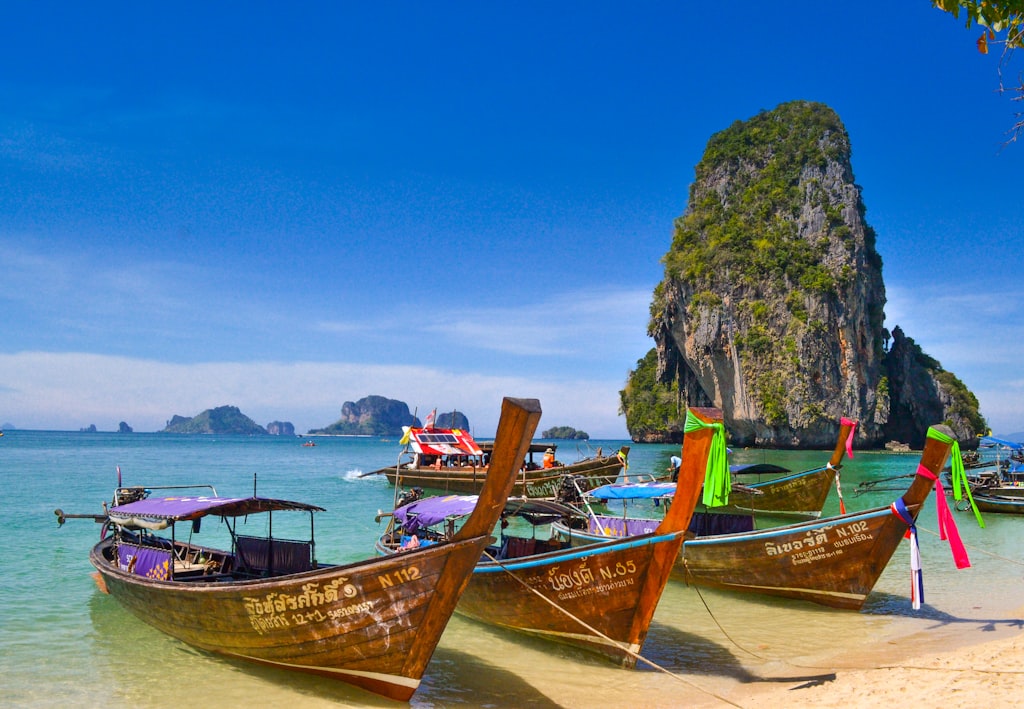
Thailand remains a magnet for those looking for low living costs combined with a relaxed lifestyle and expanding visa support for remote work and semi-retirement.
The Expanded Smart Visa Scheme
- Valid for digital creators, educators, and remote professionals, the Smart Visa allows stays of up to four years without requiring a separate work permit.
- Visa costs are around THB 20,000 (~$580) annually, with spouse and dependent visas included.
- Visa applications require evidence of remote income but are designed to be accessible for a broad range of professionals.
Benefits for Retirees and Remote Workers
- Cost of Living: Among the lowest for quality urban life, especially in Bangkok or Chiang Mai.
- Healthcare: Bangkok and major cities boast internationally accredited hospitals.
- Climate: Tropical but subject to seasonal monsoons; warm practically year-round.
- Safety & Stability: Though political unrest has been a consideration, gradual improvements in governance and safety perceptions continue.
Quick Tip: Consider longer-term health insurance even if public facilities are affordable; expat medical care in private hospitals can be costly without coverage.
Panama and Costa Rica: Ideal Central American Options for Hybrid Living

Central America’s warm climate, tax advantages, and established retiree programs make Panama and Costa Rica top contenders for combining remote work and retirement.
Panama’s Friendly Nations Visa

- Granting residency upon proof of economic ties (e.g., opening bank accounts or starting business), this program costs approximate processing fees of $5,000 plus a minimum investment of $2,500.
- Residency can lead to citizenship after five years.
- Strategic location, dollarized economy, and proximity to the U.S. appeal to many expatriates.
Costa Rica’s Pensionado Program
- Requires proof of $1,000 monthly pension income for residency.
- Includes access to the Caja Costarricense de Seguro Social (public healthcare system).
- Recent tax reforms in early 2026 raised some income thresholds but remain favorable compared to North America.
Quick Tip: Use the Relocation Wizard to assess if your pension or remote income qualifies under these specific thresholds.
United States of America: Evolving Remote Work and Retirement Options

Though immigration policies are complex, the United States of America is expanding its offerings to attract remote workers and investors alike.
Cutting-Edge Visa Programs in 2026
- Remote Work USA Visa (Pilot): Allows foreign remote workers from partnered countries to reside and work remotely for up to one year at an application cost of approximately $500. Income minimums are set at $75,000/year.
- EB-5 Investor Visa: Minimum investment thresholds increased to $1.05 million, sustaining appeal for high-net-worth retirees seeking eventual green card status.
- Global Business Mobility Visa: Streamlined for intracompany transfers and certain skilled sectors; minimum salary of $30,000 applies in tech and engineering sectors.
Considerations for Retirees and Remote Workers
- High cost of living in major metros balanced by unmatched healthcare quality and education access.
- Currency stability and strong legal protections remain attractive.
- Suitable mainly for those with higher budgets or investment capability.
Japan: Safe, Premium Healthcare, and an Emerging Semi-Retiree Haven

Though known for its high living costs, Japan is increasingly on the radar for retirees seeking world-class healthcare combined with safety and calm.
Why Japan Appeals to the Hybrid Seeker
- Healthcare system among the best globally, covered under mandatory national insurance.
- Gradual depreciation of the yen makes living slightly more affordable for USD/EUR-based retirees.
- Visa options remain limited but improved pathways, such as long-term resident or spouse visas, are available for those with local ties.
- High quality of life, clean environment, and secure public spaces.
Comparing Tax Implications in Top Destinations
| Country | Income Tax Range | Corporate Tax | Pension Tax Treatment | Residency Tax Benefits |
|---|---|---|---|---|
| Portugal | 14.5% to 48% | 21% standard; D7 visa holders may access flat non-habitual resident rates | Non-habitual resident regime offers 10 years of tax benefits on foreign pensions | Possible under D7 visa |
| Spain | 19% to 47% | 15% for digital nomads via Startup Act | Pensions taxed unless covered by treaty | Residency requires more than 183 days |
| Thailand | 0% to 35% | 20% | Foreign pensions typically untaxed if income kept offshore | Smart visa holders accrue some benefits |
| Panama | 0% on foreign income | 25% | Usually exempt from local tax on foreign pensions | Friendly Nations visa grants residency |
| Costa Rica | 0%-15% (domestic income) | 30% | Taxed only on local source income | Pensionado offers healthcare access |
| USA | Progressive 10%-37% | 21% | Social Security pensions taxable | Complex tax treaties affect retirees |
Quick Tip: Consult a tax advisor to navigate bilateral tax treaties impacting your pension and remote work income.
How to Choose the Right Country for Your Hybrid Remote Work and Retirement Lifestyle
Selecting the perfect country depends on your priorities:
- Income Stability vs Pension: If you expect stable digital income, countries like Portugal or Spain offer straightforward programs.
- Climate and Lifestyle: Warm climates with strong expat communities — e.g., Costa Rica, Thailand, or Panama.
- Healthcare Quality: Access to universal or affordable high-level care is critical for retirees — think Portugal, Japan, or Spain.
- Cost of Living & Tax Efficiency: Use the cost-of-living calculator and study tax frameworks, especially if you have pension income or plan to invest.
- Visa Flexibility: Look for renewable visas with clear pathways to permanent residency or citizenship to avoid future legal complications.
Frequently Asked Questions
What are the best countries to move for remote work and retirement in 2026?
Top countries include Portugal, Spain, Thailand, Panama, and Costa Rica due to their hybrid visa offerings, healthcare quality, cost of living, and favorable climates.
How do remote work visas differ from retirement visas?
Remote work visas typically require proof of active remote employment and may offer shorter stays (1-4 years), while retirement visas focus on passive income like pensions with longer-term residency goals. Some countries, like Portugal, blend these with hybrid programs.
Can digital nomad visas lead to permanent residency?
In many cases, yes. For example, Portugal’s Temporary Stay Visa can be a stepping stone to the D7 Passive Income Visa, leading to permanent residency and citizenship after a few years.
Are healthcare systems adequate for retirees in popular destinations?
Yes, countries like Spain, Portugal, and Costa Rica offer affordable or universal healthcare, critical for retirees. Others like Japan provide top-tier care but at higher costs.
Final Thoughts
Choosing from countries to move for remote work and retirement in 2026 means balancing visa options, cost of living, healthcare, taxes, and climate. The good news? Numerous countries now cater to these evolving needs, from Portugal’s progressive D7 visa, to Spain’s new Digital Nomad Law, and Thailand’s expanded Smart Visa.
Before making your move, harness tools like the Relocation Wizard for personalized country matches and the cost-of-living calculator to align your budget and lifestyle. This strategic approach helps ensure your next chapter abroad is as rewarding and sustainable as possible. Safe travels and promising new beginnings await!