Best Countries for Long-Term Remote Work Visas in 2026

Not sure where to start? Our free Relocation Wizard matches you to your ideal country in minutes.
Key Takeaways
- The best countries for long-term remote work visas in 2026 balance multi-year permit lengths, low income thresholds, streamlined renewals, and quality lifestyle benefits.
- Portugal, Spain, and Georgia lead with flexible remote work visas offering multi-year stays and affordable income requirements.
- Southeast Asia’s Thailand offers longer visas but with higher income requirements and mandatory health insurance, impacting accessibility.
- Uruguay appeals for its safety, political stability, and renewable remote work visa tailored for families and retirees.
- Healthcare access, public safety, tax regimes, and cost of living remain critical factors influencing where professionals settle for long-term remote work.
What Are Long-Term Remote Work Visas in 2026?
Long-term remote work visas in 2026 are residency permits tailored to accommodate professionals seeking to stay abroad for multiple years while working remotely for overseas companies or running their own businesses online. Unlike short-term tourist or flexible nomad visas, these permits typically offer one to several years of residency with clear renewal pathways, often linked to steady income proofs and sometimes additional benefits like healthcare access or simplified path to permanent residency.
With post-pandemic work models evolving and economic pressures mounting, more countries have refined these visas to attract stable, career-minded remote workers and entrepreneurs who contribute economically beyond tourism dollars. This article takes a detailed look at the key countries offering competitive long-term remote work visas in 2026, comparing income requirements, permit durations, residency benefits, application ease, and lifestyle factors like healthcare and safety, helping you find the best match for your relocation goals.
Why Focus on Multi-Year Remote Work Visas?
Multi-year visas offer stability, enabling remote professionals and freelancers to settle, integrate, and plan their careers or family lives abroad without frequent renewal hassles. This is especially valuable for remote workers seeking to minimize bureaucracy and enjoy local amenities such as healthcare and schooling, while also benefiting from favorable tax and living costs. The long-term approach contrasts with digital nomad visas designed primarily for short tourist stays or intermittent work periods.
Quick Tip: Before applying, verify specific renewal rules and whether your visa grants access to public services like health insurance or social security — this significantly affects your quality of life.
Portugal: Leading the Way with Extended Residency
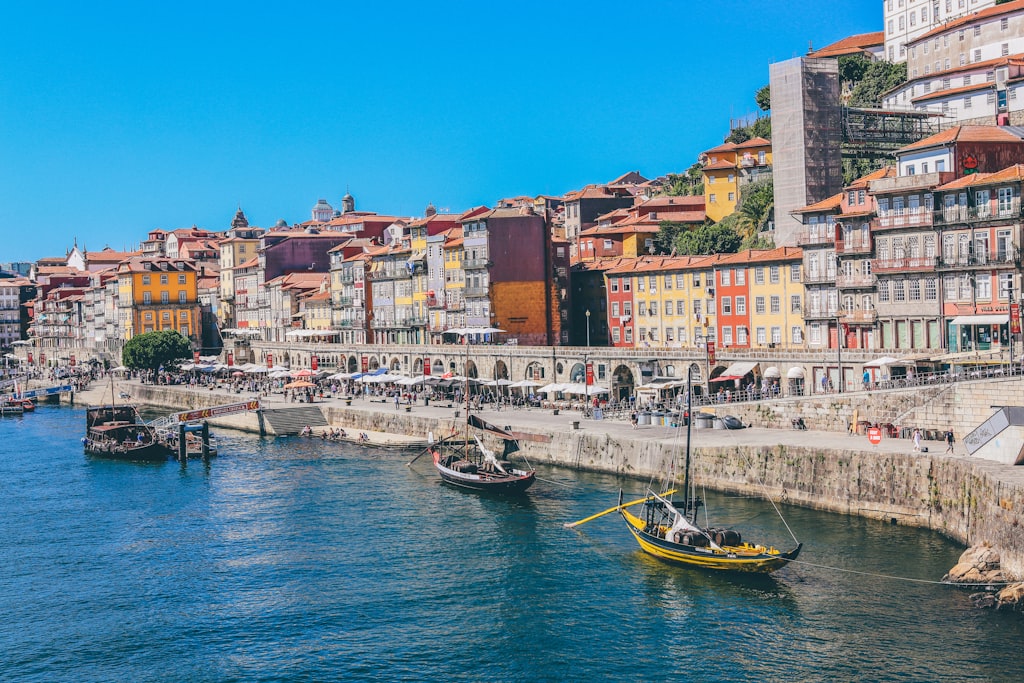
Portugal has emerged as a standout for long-term remote work visas in 2026 thanks to its revamped D7 "Passive Income Visa" — now tailored to attract remote workers demonstrating a monthly income of approximately €2,500 (~$2,700). The visa grants a 2-year initial residence permit, renewable indefinitely, with eventual permanent residency and citizenship eligibility after five years.
Key Features of Portugal’s Remote Work Visa
| Feature | Details |
|---|---|
| Initial Permit Length | 2 years |
| Income Requirement | ~€2,500/month |
| Renewals | Indefinite, every 2 years |
| Healthcare Access | Eligible for public healthcare after residency registration |
| Safety & Lifestyle | High safety rankings; affordable cost of living compared to Western Europe |
| Application Ease | Streamlined processes; online appointments and document submissions available |
Portugal’s D7 visa appeals strongly because it combines relatively affordable living with excellent health care through the public Serviço Nacional de Saúde (SNS), which residents can access after registering as tax residents. Lisbon, Porto, and secondary cities like Braga provide growing tech ecosystems and coworking spaces, though many remote workers prefer smaller towns for an even lower cost of living.
Quick Tip: Pair your remote work visa with Portugal’s tax non-habitual resident (NHR) regime for potential tax advantages on foreign income during your first 10 years of residency.
Spain: Lower Income Thresholds and Regional Opportunities

Spain revamped its digital nomad visa in early 2026, making it considerably more accessible for remote workers by lowering the minimum income requirement to €2,000 (~$2,150) monthly. The visa is valid initially for 1 year but can be renewed annually up to 5 years, offering a solid medium-term solution.
Highlights of Spain’s Digital Nomad Visa
| Feature | Details |
|---|---|
| Initial Permit Length | 1 year |
| Income Requirement | €2,000/month |
| Renewals | Up to 5 years |
| Healthcare Access | Access to public healthcare after residency registration |
| Location Focus | Encourages settlement in tech hubs like Valencia, Seville, and Malaga, not just Madrid or Barcelona |
| Application Process | Simplified for both EU and non-EU nationals, with reduced bureaucratic requirements |
Spain’s growing appeal outside the capital focuses on emerging tech cities with lower costs but vibrant cultural scenes, helping remote workers avoid overcrowding and high rents in Madrid or Barcelona. Public healthcare quality ranks highly, and access is granted once the resident invoice is processed, though waiting times vary by region.
Quick Tip: Explore less popular regions to maximize affordability and local integration benefits — cities like Valencia offer excellent infrastructure with a 20-30% lower cost of living than Madrid.
Georgia: A Cost-Effective Digital Nomad Hub in Eastern Europe

Georgia continues to attract remote workers with its “Remotely from Georgia” program, notable for a 1-year residency permit with easy renewal and minimal income proof. Applicants must verify a monthly income of just $2,000, and pay a one-time fee of $100, making it one of the most affordable options worldwide.
Why Georgia Works for Remote Workers
| Feature | Details |
|---|---|
| Permit Length | 1 year, renewable |
| Income Requirement | $2,000/month |
| Tax Regime | No tax on foreign income; 1% profit tax for eligible small businesses |
| Healthcare Access | Private healthcare affordable but variable quality; public healthcare less accessible for foreigners |
| Safety & Lifestyle | Low crime rates, emerging expat communities, and excellent nature access |
| Application Ease | Paperwork is relatively straightforward; online submissions encouraged |
Georgia’s tax environment is a major draw; with no tax on foreign-earned income, it lures freelancers and small companies. Although public healthcare is limited for expats, the cost of private insurance is relatively low. Tbilisi and Batumi offer a decent balance of urban amenities and natural beauty.
Thailand: Longer Visas, But Higher Costs and Requirements
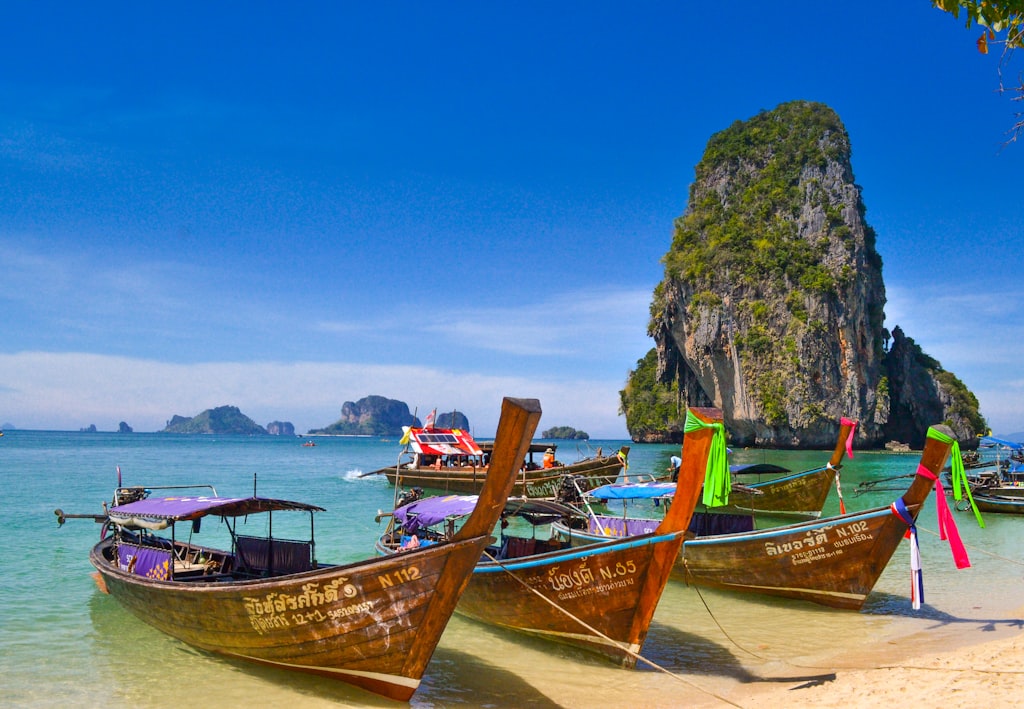
Thailand has expanded its “Smart Visa” program to include digital nomads earning over 100,000 Thai Baht (~$3,100) per month. This visa provides a residency permit valid up to 4 years, significantly longer than most remote work visas, but comes with caveats, including mandatory health insurance costing about $1,000 annually and stricter immigration enforcement.
What Remote Workers Should Know About Thailand’s Smart Visa
| Feature | Details |
|---|---|
| Permit Length | Up to 4 years |
| Income Requirement | >100,000 THB/month (~$3,100) |
| Health Insurance | Mandatory, ~ $1,000/year |
| Healthcare Quality | Top-tier private hospitals, variable public options |
| Safety & Lifestyle | Popular expat hubs like Chiang Mai and Bangkok; moderate safety concerns in some areas |
| Application Process | Rigorous vetting, thorough documentation required |
Thailand remains a favorite for lifestyle, tropical climate, and cost-of-living benefits, but increased visa enforcement and health insurance costs have reduced its accessibility for some remote professionals. The quality of healthcare, especially in private hospitals in Bangkok and Chiang Mai, is excellent, which appeals to many.
Quick Tip: If planning a long stay in Thailand, budget an additional $1,000+ annually for health insurance and consider choosing urban centers with top-tier healthcare facilities.
Uruguay: Safety and Stability for Remote Workers and Families
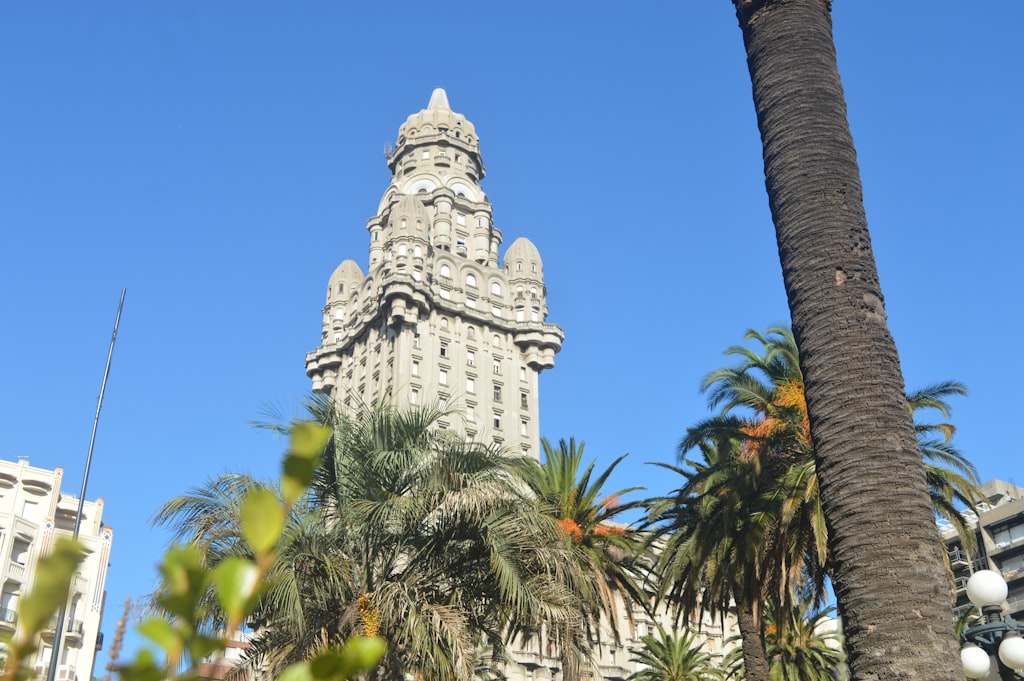
Uruguay launched its digital nomad visa in late 2025, aiming to provide a secure and family-friendly environment for remote workers. The visa requires proof of income around $1,500 monthly, with an initial permit length of 1 year, renewable indefinitely.
Uruguay’s Appeal at a Glance
| Feature | Details |
|---|---|
| Permit Length | 1 year, renewable |
| Income Requirement | $1,500/month |
| Healthcare Access | Access to high-standard public and private healthcare |
| Safety & Stability | Among the safest countries in Latin America with stable politics |
| Application Process | Straightforward documentation and residency application |
Uruguay’s advantage lies in its political stability and safety, making it especially attractive for families or retirees who want to combine remote work with a high quality of life. Montevideo and Punta del Este offer vibrant, modern amenities while keeping a relaxed pace.
Comparing Visa Income Thresholds and Permit Lengths
| Country | Income Requirement (USD) | Initial Permit Length | Renewal Options |
|---|---|---|---|
| Portugal | ~$2,700/month | 2 years | Renew indefinitely |
| Spain | ~$2,150/month | 1 year | Up to 5 years |
| Georgia | $2,000/month | 1 year | Renewable annually |
| Thailand | $3,100/month | Up to 4 years | Up to 4 years |
| Uruguay | $1,500/month | 1 year | Renewable indefinitely |
This table helps visualize the cost-to-duration balance. Uruguay offers the lowest income requirement but shorter permit lengths, while Thailand provides the longest permit but requires higher income and health insurance.
Lifestyle Factors That Influence Your Choice
Healthcare Accessibility
- Portugal, Spain, and Malta offer strong public healthcare systems accessible post-residency, making them excellent for families or retirees.
- Thailand leads for exceptional private healthcare but at a higher cost.
- Georgia has affordable private care but public options for expats are limited.
- Uruguay balances quality healthcare access with a more affordable Latin America cost base.
Safety and Community
- Uruguay ranks high for safety and political stability.
- Portugal boasts excellent safety records across cities.
- Spain has generally safe urban centers with thriving expat regions.
- Southeast Asia, including Thailand, sees variable safety, particularly outside tourist hubs.
- Georgia provides secure, friendly environments but with smaller expat communities than Western Europe.
Cost of Living and Currency Influence
Rising US dollar strength in 2026 affects expat affordability in currency-pegged countries like Panama and the Dominican Republic, nudging some to alternatives like Mexico or Colombia, though these countries typically do not yet offer multi-year remote work visas suited for long-term stays.
Explore our cost-of-living calculator to compare cities and countries based on your budget to find the best fit.
How to Choose the Best Long-Term Remote Work Visa for You?
- Assess Your Income Level: Match your stable monthly income against the visa thresholds.
- Consider Healthcare Needs: Are you relocating solo, with family, or planning for aging in place? Strong healthcare systems matter.
- Factor in Local Safety and Lifestyle: Political stability and community support improve long-term satisfaction.
- Examine Residency and Tax Benefits: Some visas offer pathways to permanent residency and/or favorable tax regimes.
- Plan for Renewal and Length: Longer initial permits with easier renewal reduce relocation stress.
Quick Tip: Use our Relocation Wizard to filter countries by visa type, cost of living, safety, and healthcare to simplify your research.
Frequently Asked Questions
What are long-term remote work visas?
Long-term remote work visas are residency permits that allow professionals to live and work remotely in a country for multiple years, usually requiring proof of stable income and sometimes additional criteria like health insurance or investments. They differ from short-term digital nomad visas by offering more stability and pathways to permanent residency.
Which countries offer the easiest remote work visas in 2026?
Georgia and Uruguay rank among the easiest due to low income requirements and straightforward application processes. Portugal and Spain also simplified their visas with competitive income thresholds and multi-year stays.
Are healthcare services included in remote work visas?
It depends. Countries like Portugal, Spain, and Malta extend access to public healthcare after residency registration. In contrast, Thailand requires mandatory private health insurance, and Georgia leans on private health services with limited public access.
Can I renew these remote work visas easily?
Most long-term remote work visas in these countries allow annual or biennial renewals provided you maintain minimum income requirements and residency conditions. Some, like Portugal’s D7 visa, offer indefinite renewals and pathways to permanent residency.
Final Thoughts
Choosing a country with the best long-term remote work visa in 2026 involves balancing income requirements, visa durations, healthcare access, lifestyle preferences, and safety. Countries like Portugal, Spain, and Georgia stand out with flexible and cost-effective options, while Thailand and Uruguay offer longer permits with unique lifestyle benefits.
For a personalized recommendation based on your profession, budget, and lifestyle needs, start with our Relocation Wizard and fine-tune your choices using the cost-of-living calculator. With the right preparation, 2026 can be your year of seamless international remote work and fulfilling global living.