Best Countries for Expats Navigating New Tax Rules in 2026
Not sure where to start? Our free Relocation Wizard matches you to your ideal country in minutes.
Key Takeaways
- The landscape of countries with best tax rules for expats 2026 is evolving, with new taxes like the UK’s global wealth tax shaping relocation decisions.
- The UAE, Portugal, and Malaysia stand out for their favorable tax regimes, digital nomad visa expansions, and quality of life enhancements.
- Digital nomad and investor visa programs are becoming more generous in Central America (e.g., Costa Rica, Panama) and Asia (Vietnam, Thailand), aiding tax-efficient relocation.
- Understanding new tax laws, residency requirements, and visa conditions is crucial for tax planning and avoiding pitfalls in 2026 and beyond.
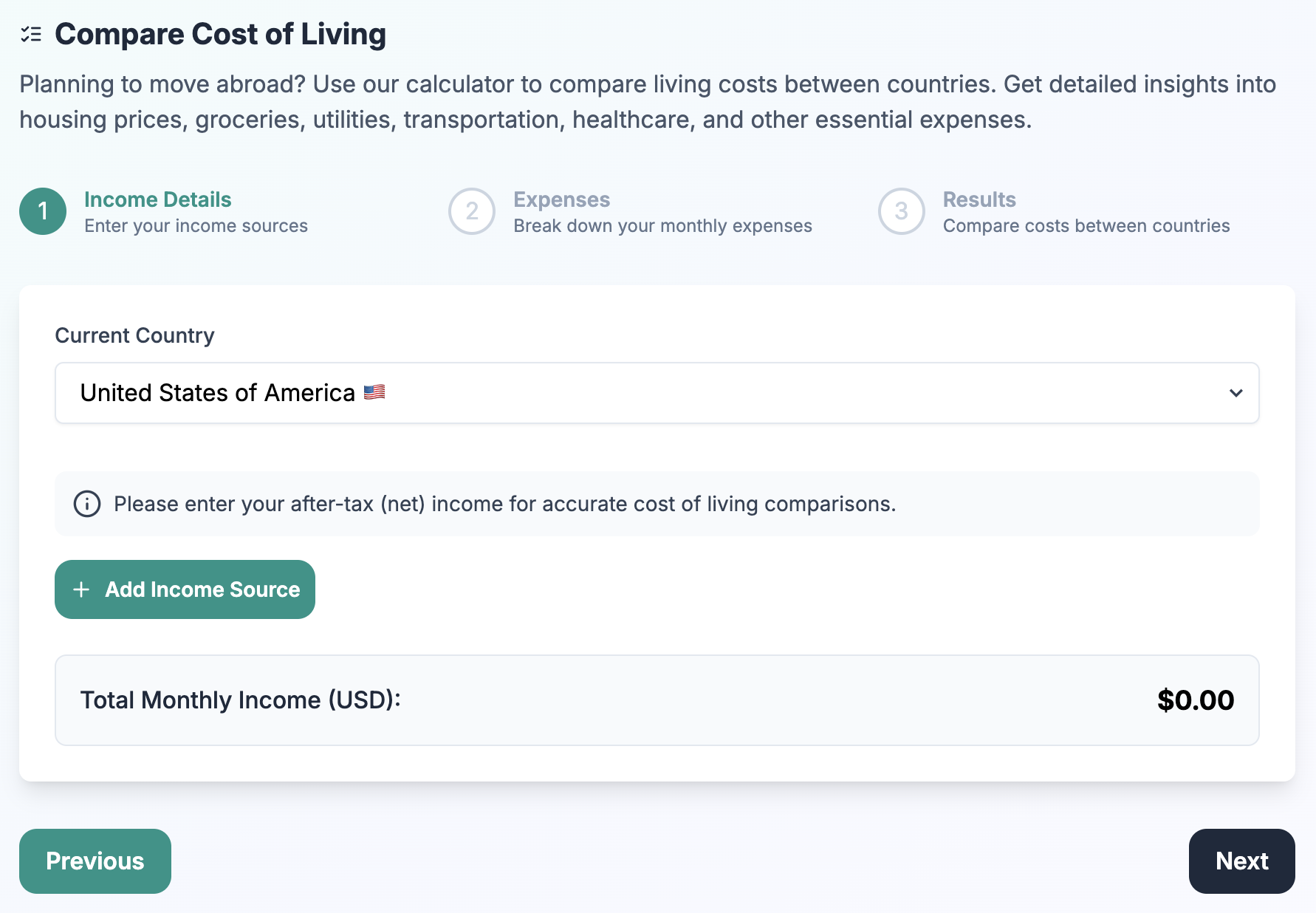
- Use practical tools like our Relocation Wizard and cost-of-living calculator to align tax benefits with lifestyle and financial goals.
Navigating the Changing Tax Landscape for Expats in 2026
As global tax regimes tighten and diversify, expatriates face new challenges and opportunities in managing their finances abroad. Discovering the countries with best tax rules for expats 2026 means more than chasing low tax rates—it requires a deep dive into visa flexibility, residency options, family inclusion, and local compliance requirements.
With landmark shifts like the UK’s global wealth tax compelling asset disclosure and withholding taxes emerging in the UAE, expats must stay informed on these evolving rules. Meanwhile, nations ramp up incentives targeting digital nomads, retirees, and investors as international mobility surges in 2026.
Quick Tip: Before deciding on a relocation destination based solely on headline tax rates, evaluate comprehensive residency benefits, visa longevity, and the interplay of local vs. foreign income taxation.
Why Tax Rules Matter More Than Ever for Expats in 2026
International tax compliance is tightening, with governments cracking down on undeclared overseas income and wealth. For instance, the UK introduced the Expats’ Global Wealth Tax to tax worldwide assets exceeding £2 million for non-domiciled residents. This move has spurred high-net-worth individuals to rethink domicile status or consider alternatives with more forgiving tax policies.
Furthermore, countries like the UAE, long favored for zero personal income tax, now impose a 5% withholding tax on payments to foreign entities, affecting entrepreneurial expats and consultants. At the same time, the digital nomad boom has accelerated reforms in visa programs, often linked to income proof requirements and tax residency criteria.
Mastering the balance between tax efficiency and lifestyle is essential for expats in 2026 — choosing where to move can mean saving tens of thousands annually or facing unexpected liabilities.
Top Countries with Best Tax Rules for Expats 2026
United Arab Emirates

The UAE remains a premier destination for expats prioritizing tax efficiency. With no personal income tax, no capital gains tax, and zero inheritance tax, it offers unparalleled tax benefits. The 2026 modifications to its Golden Visa program have lowered investment thresholds, enabling entrepreneurs to qualify with just AED 250,000 (~$68,000 USD), down from AED 500,000. Additionally, the revamped remote work visa now permits family accompaniment for up to one year, enhancing its appeal.
New Considerations:
- 5% withholding tax on payments to foreign entities requires careful tax planning for businesses and freelancers.
- Residency is tied to visa status; maintaining long-term tax residency demands active compliance.
Quick Tip: Expats should consult UAE-based tax advisors to navigate withholding taxes and optimize business structures before relocating.
Portugal

Portugal continues to be an attractive haven for expats, especially retirees and digital nomads, thanks to its Non-Habitual Resident (NHR) tax regime. The NHR offers a flat 10% tax on foreign pension income for ten years and significant tax exemptions on certain foreign-source income. The Digital Nomad Visa, updated at the end of 2025, now requires a more accessible minimum income of €1,800 per month outside Lisbon and Porto and has reduced application fees by 15% (~€250).
Additional Benefits:
- High-quality healthcare and safety.
- Moderate cost of living, further optimizable using the cost-of-living calculator.
- Family-friendly visa options allowing dependent inclusion.
2026 Warning: Potential NHR caps on high earners are under discussion, recommending expats apply sooner than later.
Malaysia

Malaysia has expanded its popular “Malaysia My Second Home” (MM2H) program to include a dedicated Digital Nomad category, making it enticing for expats seeking tax efficiency combined with affordable living. The MM2H Digital Nomad visa requires proof of $3,000 USD monthly income and charges an annual fee of approximately $2,400 USD.
Tax Advantages:
- No tax on foreign income remitted into Malaysia.
- Territorial tax system limits liability to locally sourced income.
- Competitive visa duration with ease of renewal.
Malaysia’s lower living costs and expanding infrastructure make it a rising star in global relocation choices.
Costa Rica

Costa Rica’s revamped “Rentista” digital nomad visa now permits stays of up to 24 months (renewable once), doubling the previous limit. The new minimum income proof is about $3,000 USD per month, up from $2,500, targeting more financially stable expats.
Tax Regime Highlights:
- Territorial tax system: only local income taxed, foreign income exempt.
- No wealth, capital gains (except on Costa Rican assets), or inheritance tax.
- Attractive lifestyle with renowned natural beauty and stable democratic governance.
Costa Rica is ideal for digital nomads and retirees seeking long-term tax-friendly residency in Central America.
Panama

Panama’s “Short-Stay Visa for Remote Workers” became more accessible in 2026 with a fast-track application process and a monthly income threshold of $2,500 USD, placing it among the cheaper digital nomad visa schemes worldwide.
Tax Environment:
- Territorial taxation applies; foreign-earned income not taxed.
- No inheritance or wealth tax.
- Growing infrastructure and proximity to both North and South America.
Panama offers an excellent balance between low tax obligations and quality of life for expats.
Spain

Spain’s Nomad Visa, launched mid-2026, targets creative professionals and IT specialists with minimum income set at €2,400 per month and allows 1-year renewable stays. Spain’s mixed tax system means global income is taxable once resident, but numerous double taxation treaties can mitigate liabilities.
Key Tax Features:
- Favorable tax treaties with many countries.
- New visa opens path for knowledge workers wanting European residence.
- High quality of life balanced by comparatively higher costs in major cities.
Spain remains a compelling choice for younger expats, though thorough tax advice is recommended.
Thailand

Thailand improved its Smart Visa, now permitting up to 4 years of residency without a work permit for technology, healthcare, and other specified professionals. Despite ongoing political uncertainties dampening some demand, its tax regime remains competitive.
Tax Facts:
- Territorial tax applies, taxation based on locally sourced income.
- No inheritance tax but capital gains tax may apply on Thai assets.
- Annual Smart Visa fees ~$2,500 USD.
Thailand’s attractiveness relies on healthcare quality, affordability, and visa flexibility despite regional instability.
Vietnam

Vietnam’s investor visas have gained traction in 2026, requiring investments starting at $50,000 USD. The low cost of living (often under $1,000 USD monthly) and improving healthcare make Vietnam a vibrant choice for entrepreneurial expats.
Tax Points:
- Territorial taxation; foreign income not taxable unless remitted.
- Growing network of double taxation treaties.
- Low capital gains and no wealth taxes.
Vietnam’s combination of tax incentives and emerging business opportunities is drawing a new generation of expats.
Comparing Visa and Tax Highlights Across Popular Destinations
| Country | Visa/Residency Highlights | Taxation Highlights | Typical Minimum Income/Investment | Family Inclusion |
|---|---|---|---|---|
| UAE | Golden Visa lowered to AED 250k investment | No personal income tax; 5% withholding tax applies | ~$68,000 USD investment | Yes, remote work visa allows family |
| Portugal | NHR regime, digital nomad visa €1,800 income | Flat 10% on foreign pensions, many tax exemptions | €1,800 monthly income | Yes |
| Malaysia | MM2H Digital Nomad visa $3,000 income | Territorial tax system; no tax on foreign income remitted | $3,000 USD monthly income | Yes |
| Costa Rica | Rentista visa up to 24 months | Territorial tax regime; no wealth or inheritance tax | $3,000 USD monthly income | Yes |
| Panama | Short-Stay Remote Worker visa $2,500 income | Territorial tax; no wealth or inheritance tax | $2,500 USD monthly income | Yes |
| Spain | Nomad visa €2,400 monthly income | Worldwide income taxable but tax treaties apply | €2,400 monthly income | Yes |
| Thailand | Smart Visa 4 years residency, no work permit | Territorial tax regime (only local income taxed) | Professional eligibility; fees around $2,500 USD | Yes |
| Vietnam | Investor visa $50,000 minimum investment | Territorial tax; mostly no foreign income tax | $50,000 minimum investment | Varies |
Quick Tip: Use our Relocation Wizard to match your work, income source, and family profile to the most suitable country based on visa and tax rules.
Practical Tax Planning Advice for Expats in 2026
Understand Your Tax Residency
Tax residency triggers vary widely. For example, many countries consider you a tax resident if you stay more than 183 days per year, while others use domicile or center of economic interest tests. In 2026, with complex global tax transparency, understanding residency rules can help you legally reduce tax exposure.
Leverage Double Tax Treaties
Countries like Portugal, Spain, and Panama have extensive double taxation treaties to prevent expats from being taxed twice on the same income. Familiarize yourself with these agreements and file the relevant forms to maximize tax relief.
Stay Compliant with Reporting Obligations
New reporting requirements, such as those arising from the Common Reporting Standard (CRS) and Country-by-Country (CbC) reporting, necessitate proactive compliance. Non-compliance can lead to hefty penalties and reputational risks.
Plan For Wealth and Capital Taxes
Emerging taxes on global wealth (e.g., UK’s £2 million asset threshold) make asset location critical. Expats may benefit from structuring holdings via trusts or corporations in countries with no wealth tax like the UAE or Malta.
Combine Tax Planning with Lifestyle Needs
Tax efficiency alone doesn’t guarantee a smooth relocation. Consider healthcare quality, safety, educational infrastructure, and cost of living using tools like the cost-of-living calculator to ensure destination suitability.
Frequently Asked Questions
Which countries have the best tax rules for expats in 2026?
Key contenders include the UAE (no personal income tax), Portugal (NHR tax regime), Malaysia (territorial tax system), Costa Rica, and Panama. These countries combine competitive tax policies with favorable visa programs tailored for digital nomads, retirees, and investors.
How does the UK’s new global wealth tax affect expats?
The UK’s Expats' Global Wealth Tax targets UK-resident, non-domiciled individuals with worldwide assets over £2 million, taxing the excess yearly. This encourages wealthy expats to reconsider residency, domicile status, or relocation to countries without such levies.
Are there any new visa options for digital nomads in 2026?
Yes. Notable expansions include Costa Rica’s Rentista visa (up to 24 months), Panama’s streamlined Short-Stay visa, Spain’s newly launched Nomad visa, and Malaysia’s MM2H Digital Nomad category. These offer longer stays, family inclusion, and reduced income thresholds.
What are the common pitfalls expats should avoid with taxes?
Common pitfalls include misunderstanding tax residency status, failing to report offshore income/assets properly, overlooking local tax nuances such as withholding taxes, and ignoring visa limitations that affect residency and tax liability.
Final Thoughts
In today’s dynamic global landscape, finding the countries with best tax rules for expats 2026 requires blending tax planning savvy with quality of life considerations. From the no-tax allure of the UAE to Portugal’s generous NHR framework, and from Malaysia’s territorial tax benefits to Central America’s expanding digital nomad offerings, a wealth of opportunities awaits well-informed relocation seekers.
Be sure to leverage our Relocation Wizard to identify your optimal destination based on your personal and financial profile. Complement your research with the cost-of-living calculator to lock in a location that balances tax efficiency, visa flexibility, and lifestyle needs.
Relocate smartly in 2026—start your journey today!