
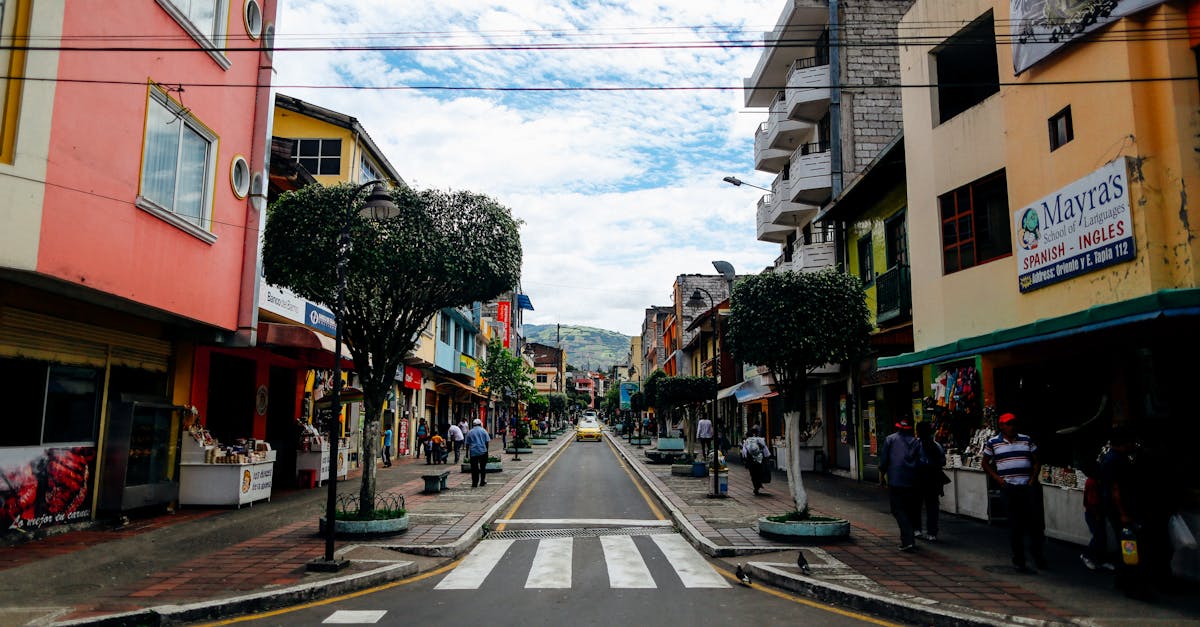
Living in Ecuador
A diverse country in South America known for its rich indigenous culture, breathtaking Andes mountains, Amazon rainforest, and historic cities. Ecuador offers a unique blend of traditional and modern experiences.
Next Steps
- 1Ensure your passport is valid for at least six months beyond your intended entry date into Ecuador.
- 2Research and apply for the appropriate visa type, such as a temporary resident visa, which includes categories like work, student, and retirement visas.
- 3Look for job opportunities in Ecuador, considering cities like Quito, Guayaquil, and Cuenca, which have large expat communities.
- 4Plan your housing and integration by researching neighborhoods, cost of living, and cultural adaptation strategies to smooth your transition.
The Complete Guide to Living in Ecuador
Ecuador: Culture and General Appeal
Ecuador, a country enriched with vibrant cultural heritage, is a remarkable blend of indigenous traditions interwoven with colonial and Afro-Ecuadorian influences. Flanked by the Andes, Amazon, and the renowned Galapagos Islands, Ecuador's diverse landscape offers an exceptional appeal for travelers and potential expatriates seeking a distinctive living experience. Its cultural tapestry is lavishly decorated with lively festivals, striking colonial architecture, and biodiversity that places it on the map as a prime destination for living and exploring.
Exploring the Culture
Ecuador is a haven for culture enthusiasts. With a society deeply rooted in traditions passed down through generations, it hosts a variety of colorful festivals like Inti Raymi and Mama Negra. These festivals are not just a spectacle but serve as windows into the country's cultural diversity, blending music, dance, and rituals that reflect its complex heritage. Expats willing to immerse in local customs can find these events to be transformative experiences, offering deeper cultural insights.
- Participate in Local Festivals: Engaging in local festivals is a key step towards cultural adaptation, providing opportunities to connect with locals and appreciate their traditions first-hand.
General Information: Geography and Environment
Ecuador is arguably one of the most geographically diverse nations on the planet. Offering a little bit of everything, from warm coastal areas to the chill of the Andes, and the lush expanse of the Amazon, the country presents an alluring backdrop for adventure and daily life.
- The Galapagos Islands: This UNESCO World Heritage site provides unparalleled opportunities for nature lovers to witness extraordinary wildlife.
- The Andes: Ideal for trekking enthusiasts, with breathtaking landscapes and opportunities for outdoor activities.
Practical Advice for Relocation
Relocating to Ecuador requires thoughtful planning and an understanding of its cultural and geographic canvas.
- Research the Regions: Before moving, potential residents should gather information about Ecuador's distinct regions to identify the areas that match their lifestyle preferences.
- Cultural Sensitivity: Understanding local customs and social etiquette will enhance integration into Ecuadorian society, reducing the impact of culture shock.
Additional Resources
For more cultural and travel insights, visit Kuoda Travel.
Final Thoughts
Relocating to Ecuador is an invitation to an enriched lifestyle filled with vibrant culture and stunning landscapes. Familiarizing yourself with the country's culture and general appeal is the first step towards a seamless transition into its welcoming embrace. Whether you are drawn to the historical richness or the ecological wonders, Ecuador promises an experience that marries tradition with everyday life, making it a country like no other.
Visa & Immigration Requirements
Understanding the visa and immigration requirements for Ecuador is critical for anyone planning to travel, work, or settle in this culturally diverse and ecologically rich country. Here's a comprehensive guide covering the various visa types, application steps, and the pathways to both residency and citizenship in Ecuador.
Visa Types
Ecuador offers a broad range of over 30 visa categories, catering to different needs and durations of stay. The primary visa types include:
- Tourist Visa: Issued for short stays, typically up to 90 days. Extensions are possible.
- Temporary Resident Visas: Designed for those wishing to stay longer than 90 days. Key categories include:
- Investment Visa: For individuals investing a specific amount in real estate or securities in Ecuador.
- Retirement Visa: For retirees with a consistent pension income.
- Rentier Visa: For those demonstrating steady income or funds from abroad.
- Professional Visa: For professionals with qualifications recognized in Ecuador.
- Work Visa: For those with a formal job offer in the country.
- Permanent Resident Visa: For individuals who meet certain conditions, such as marriage to an Ecuadorian citizen or fulfilling residency requirements through a temporary visa.
Each visa type has specific documentation and eligibility requirements. For a detailed list and updates on visa types, visit the Expat Law Group website.
Application Steps
Applying for a visa involves a structured process that demands attention to detail:
Determine Eligibility: Choose the appropriate visa type based on your situation and ensure you meet all eligibility criteria.
Gather Required Documents: Common documents include valid passports, application forms, proof of financial stability, a clean police certificate, and health insurance. Some documents may require a Hague Apostille or Legalization, alongside translation into Spanish.
Submission: Submit your application and documents to the Ecuadorian consulate or embassy in your home country. Some visa applications can be processed within Ecuador through the Ministry of Foreign Affairs.
Pay Fees: Fees vary by visa type and must be paid at the time of application submission.
Attend Interview: Some visas require an interview where you may need to provide additional information.
Receive Visa: Once approved, your visa will be affixed to your passport, allowing entry or continued stay in Ecuador.
Utilizing visa service providers or legal assistance can ensure a smooth and successful application process.
Pathways to Residency or Citizenship
Ecuador provides clear pathways to both temporary and permanent residency, which can eventually lead to citizenship:
Temporary Residency: Typically granted for two years and renewable. Holders may apply for permanent residency after 21 months if they maintain a continuous legal status within the country.
Permanent Residency: This can be obtained through various routes, such as being married to or in a union with an Ecuadorian citizen or by completing the temporary residency period under certain visa categories.
Citizenship: After three years of permanent residency, individuals may apply for Ecuadorian citizenship. Requirements include language proficiency in Spanish, understanding Ecuadorian history and constitution, and demonstrating integration into the Ecuadorian community.
For personalized guidance on these pathways, refer to comprehensive immigration services like the Expat Law Group.
Practical Advice
Plan Early: Begin the visa application process well in advance of your intended travel or relocation date to cater for any unforeseen delays.
Stay Updated: Immigration laws can change, so staying informed through reputable sources or legal advisors is crucial.
Use Legal Services: Navigating visa applications can be complex, and hiring professional visa services can facilitate the process, especially for non-Spanish speakers.
Comply with Regulations: Adhering to visa conditions is imperative to avoid penalties or jeopardizing future travel rights to Ecuador.
For more information and assistance, visit Expat Law Group, a resource for detailed guidance and support on Ecuadorian immigration procedures.
By understanding these visa and immigration requirements, you can better prepare for a successful move and a fulfilling experience in Ecuador.
Cost of Living
Housing
Ecuador offers a broad spectrum of housing options, catering to diverse preferences and budgets. Here’s a breakdown of the housing landscape:
Coliving Arrangements: Coliving is gaining popularity, particularly among students, digital nomads, and young professionals. Platforms like Coliving.com offer private rooms within communal homes, which often include individual leases and all-inclusive pricing. This setup allows for a more affordable and community-focused living experience.
Rental Apartments: For those preferring traditional living arrangements, apartments in urban areas such as Quito and Guayaquil are readily available. Prices vary based on location and amenities, with city centers typically commanding higher rents.
Purchase of Property: Foreigners can purchase property in Ecuador, making it an attractive option for those considering long-term residence. The cost of real estate is relatively low compared to North American and European markets, though thorough due diligence is recommended.
Daily Expenses
Understanding daily expenses is crucial for accurately estimating your cost of living in Ecuador:
Groceries: Ecuador's markets offer fresh produce at reasonable prices, especially if purchased from local vendors. Supermarkets are also available, often with higher prices for imported goods.
Dining Out: The cost of dining out can be economical, with local eateries providing meals for a fraction of what would be spent in Western countries. Sampling Ecuadorian cuisine can be both a cultural and financial delight.
Utilities: Utilities such as electricity, water, and gas are generally affordable. However, costs can vary depending on the size of the accommodation and personal usage patterns.
Transportation: Public transportation in Ecuador is very cost-effective, with buses providing an inexpensive means to traverse cities and towns. Taxis are also affordable, though it's wise to agree on a fare beforehand or ensure the meter is used.
Financial Comparisons
When evaluating your potential financial situation in Ecuador, consider the following:
Cost-Effectiveness: Compared to many Western countries, living expenses in Ecuador are significantly lower, enabling a more comfortable lifestyle for less.
Coliving as a Financial Option: As mentioned, coliving can reduce living expenses significantly by bundling rental costs with utilities and often internet services. It represents an attractive option for budget-conscious expatriates seeking quality amenities combined with affordability.
Currency Considerations: Ecuador uses the U.S. dollar as its official currency, simplifying financial management for U.S. citizens and minimizing exchange rate concerns for dollar holders.
Practical Advice
To make the most of your financial resources while living in Ecuador, consider the following actionable tips:
Budgeting: Develop a comprehensive budget that includes both planned expenses and a buffer for unforeseen costs. Groceries, utilities, and transportation should be considered core components of this budget.
Explore Local Markets: Locally sourced products are not only cheaper but also offer fresh and authentic Ecuadorian flavors. Engage with local vendors to enrich your culinary experience while managing costs.
Housing Contracts: Whether engaging in coliving or renting an apartment, ensure your lease agreement is clear and covers all necessary terms. This can prevent misunderstandings and protect your financial interests.
Travel and Transport: Use public transport and consider other cost-effective travel options, like shared rides, to minimize daily expenses.
By tapping into the affordable living options and cultural richness of Ecuador, expatriates can enjoy a high quality of life without straining their finances. Understanding and planning for these components will ensure a rewarding and manageable experience in the vibrant landscape of Ecuador.
Note: It is always advisable to seek localized financial advice to better adapt these tips to your personal financial situation and goals.
Employment Opportunities
Job Market Overview
Ecuador's employment landscape is shaped by its commitment to fostering economic development, supporting diverse industries, and promoting inclusive employment. Programs like Encuentra Empleo are instrumental in creating job opportunities, promoting green jobs, and supporting vulnerable communities[2]. This initiative collaborates with businesses to offer incentives for hiring, making the job market more accessible and equitable.
If you're planning to relocate to Ecuador, it's crucial to familiarize yourself with the country's strategic focus areas, which include tourism, agriculture, and manufacturing. These sectors receive both financial and technical support, creating potential job opportunities for expats and locals alike[2].
High-Demand Industries
Several industries in Ecuador are currently experiencing significant growth and demand:
- Tourism: Given Ecuador's rich cultural heritage and diverse ecosystems, tourism is a thriving sector. Opportunities exist in hotel management, tour operations, and eco-tourism ventures.
- Agriculture: As a major exporter of bananas, flowers, and shrimp, agriculture is vital to Ecuador’s economy. There are roles in production, research, and sustainable agriculture initiatives.
- Manufacturing: This sector is expanding with a focus on food processing, textiles, and automotive parts, presenting numerous opportunities for skilled professionals.
Expats with expertise in these areas may find rewarding career prospects[2].
Work Regulations
Understanding Ecuador’s work regulations is essential for a smooth transition into the job market. The country encourages entrepreneurship and self-employment, promoting a culture of innovation and business development[2]. Here are key considerations for working in Ecuador:
- Work Permits: Non-residents need a work visa to be legally employed in Ecuador. The process typically involves securing a job offer and employer sponsorship.
- Employment Contracts: Employment generally requires a written contract. It's common for contracts to specify job roles, salary, and working conditions.
- Labor Rights: Ecuadorian labor laws provide employees with fundamental rights, including minimum wage standards, holiday entitlements, and social security benefits.
For comprehensive details about work permits and labor laws, it's advisable to consult with legal experts or services like Expat Law Group[5].
Practical Advice and Considerations
- Networking: Building a professional network is crucial. Attend local business events and join industry groups to connect with potential employers and fellow expats.
- Language Skills: Proficiency in Spanish can enhance job prospects, as many positions require interaction with locals. Consider taking language classes or using online resources to improve your skills.
- Cultural Understanding: Familiarize yourself with Ecuadorian business etiquette and social customs. Understanding local culture can make a significant difference in job interviews and workplace interactions.
Resources for Job Seekers
- Encuentra Empleo: A helpful government program that facilitates job matching and provides support for job seekers in high-demand industries[2].
- CIF: Offers detailed information on employment programs and green jobs in Ecuador, which can be valuable for finding sustainable job opportunities[2].
- LinkedIn and Local Job Boards: Utilize online platforms to search for job openings, connect with recruiters, and stay updated with the latest job market trends.
By aligning yourself with Ecuador's growth sectors and understanding local regulations, you can navigate the job market effectively, paving the way for a successful career in this vibrant and culturally rich nation.
Housing & Accommodation
Relocating to Ecuador involves numerous considerations, but finding and securing housing can significantly impact your experience. This chapter provides a detailed guide to navigating the housing market, understanding lease terms, and ensuring a smooth transition to living in Ecuador.
Finding Housing
Finding a place to live in Ecuador requires proactive research and understanding the local real estate market. Below are actionable steps to help you get started:
- Research: Begin by visiting online platforms like Coliving.com, which provide listings for shared living spaces. Explore various cities according to your lifestyle preferences, such as Quito's vibrant urban life or Cuenca's historic charm.
- Local Real Estate Agencies: Engage local real estate agents who are familiar with the area and can offer insights. They can help negotiate lease terms and identify suitable neighborhoods.
- Networking: Join expat groups on social media platforms such as Facebook groups for Ecuador expats. Networking with local expats can offer firsthand advice on finding housing.
- Local Newspapers and Websites: Utilize local listings in newspapers and websites like OLX Ecuador or Plusvalia for housing opportunities.
- Visit Neighborhoods: Walk around potential neighborhoods to get a feel for the environment, access to amenities, and public transport options.
Securing Accommodation
Securing accommodation in Ecuador involves understanding the rental process and typical lease agreements:
Lease Terms:
Duration: Most leases are for 1 year, with an option to renew. Short-term leases are possible, especially with coliving arrangements.
Deposits: Expect to pay a security deposit equivalent to one month's rent. This is refundable at lease end, provided there is no property damage.
Utilities: Clarify if utilities are included in the rent. In coliving setups, utilities are often covered in the rental price, offering convenience and predictable costs.
Furnishings: Many rentals in Ecuador come unfurnished. Inquire if furnishings are included, as this could be beneficial in coliving setups.
Legal Considerations:
Lease Agreement: Ensure the lease is in Spanish and legally binding. Have it translated if necessary, and consult a local lawyer to understand tenant rights and obligations.
Document Requirements: Prepare necessary documents like identification, visa status, and references from previous landlords or letters of recommendation.
Hague Apostille: Certain documents may need an apostille for international recognition if they play a role in lease negotiations.
Practical Tips
- Budgeting: Set a clear budget, considering location, size, amenities, and potential commute times. Compare different housing types, from traditional apartments to shared living spaces, to save on costs.
- Understanding the Market: Ecuador's real estate market can vary; urban areas like Quito are more expensive than suburban or rural areas.
- Safety: Verify the safety of the neighborhood, checking crime rates and accessing community safety resources.
- Visit Before Signing: If possible, visit properties personally before signing any agreement to verify the condition and suitability of the living space.
By understanding how to find and secure housing, familiarizing yourself with lease terms, and considering practical tips, you can smoothly transition to living in Ecuador. Whether you choose a bustling city atmosphere or a serene rural locale, the right housing solution awaits, facilitating a comfortable and enjoyable stay in this culturally rich country.
Healthcare System
When considering a move to Ecuador, understanding the healthcare system is paramount for ensuring your well-being and that of your family. This chapter will explore the distinctions between public and private healthcare, examine insurance options, and evaluate the quality of facilities available to residents and visitors.
Public vs. Private Care
Ecuador's healthcare system comprises three main components: the public sector, the social security system, and the private medical sector. Each offers different levels of service and accessibility, so it’s essential to choose what aligns with your needs and preferences.
Public Healthcare
- Universal Coverage: Ecuador's public healthcare system provides universal coverage to its citizens and residents, addressing a broad range of health needs. However, as in many countries, the efficiency of services can vary.
- Hospitals and Clinics: Public hospitals and clinics are accessible to everyone. Although they offer essential medical services at low or no cost, patients often experience longer wait times due to high demand.
- Medical Personnel and Equipment: Public healthcare often struggles with a shortage of medical personnel and advanced equipment, which can affect the quality of care.
Private Healthcare
- Quality and Accessibility: Private healthcare facilities in Ecuador generally offer higher-quality care with modern equipment and shorter wait times, but at a higher cost.
- Non-Profit Providers: Some non-profit organizations also offer healthcare services, although their capacity is often limited compared to private institutions.
- Choice of Providers: Expats often prefer private healthcare due to its reliability and quality, with many facilities in urban areas employing English-speaking staff.
Insurance Options
Healthcare insurance in Ecuador is designed to complement the public health system, ensuring that residents have access to necessary medical services without financial burden.
Public Insurance
- IESS (Instituto Ecuatoriano de Seguridad Social): The social security system, funded through employee tax deductions, ensures that working individuals and their families have access to healthcare services. Eligibility and coverage details can be found on the IESS website.
Private Insurance
- Comprehensive Coverage: Many expats and individuals opting for premium healthcare choose private health insurance plans. These plans offer more extensive coverage, access to private facilities, and potentially, treatment abroad.
- Insurance Providers: Several international and local insurance companies operate in Ecuador, offering a range of plans that cater to different needs and budgets. Researching and comparing available options is advisable to find the best fit.
Quality of Facilities
The overall quality of healthcare facilities can significantly affect your experience and satisfaction with medical services in Ecuador.
- Public Facilities: While numerous, public facilities often lack in terms of advanced technology and suffer from staffing shortages, which can impede service delivery.
- Private Facilities: Known for higher standards, private hospitals in cities like Quito and Guayaquil boast modern medical equipment and practices. Such facilities provide high-quality services for those who can afford them.
Recommendations for Expats
- Routine Care: For basic health needs, the public system is often sufficient, but be prepared for potential delays.
- Emergency and Specialized Care: Consider using private healthcare for emergencies or specialized treatments to ensure quick and effective responses.
- Language Considerations: Although many medical professionals speak English, learning some Spanish can help improve communication during healthcare visits.
For further insights into Ecuador's healthcare system, visit International Medical Aid to access comprehensive advice and resources tailored for expatriates.
As you navigate your healthcare options in Ecuador, consider your specific needs, potential health risks, and insurance requirements to build a robust plan that ensures peace of mind during your stay in this vibrant country.
Taxes & Financial Considerations
Relocating to Ecuador involves navigating a complex but manageable financial landscape. This chapter provides comprehensive insights into local tax structures, banking systems, and foreign tax obligations for expatriates in Ecuador. Understanding these aspects is vital for a smooth transition and financial stability in your new home.
Local Tax Structures
In Ecuador, the tax system is administered by the Servicio de Rentas Internas (SRI), which oversees various tax provisions applicable to residents and businesses. Here are the key components of Ecuador's tax structure:
- Income Tax: Ecuador operates a progressive income tax system. Residents are subject to income tax on worldwide income, with rates ranging from 5% to 35%. Non-residents are taxed only on Ecuadorian-sourced income at a flat rate of 25%.
- Value Added Tax (VAT): The standard VAT rate is 12%, applicable to most goods and services. Certain items may be exempt or subject to reduced rates.
- Property Tax: Municipalities levy property taxes based on the value of real estate assets. Rates can vary by region, with urban properties typically incurring higher taxes than rural ones.
- Capital Gains Tax: Gains from real estate transactions are taxed at a flat rate of 10%, though some exceptions and reductions can apply when the property is the principal residence.
- Corporate Tax: Companies are generally subject to a corporate income tax rate of 25%, with higher rates for specific industries, like financial institutions.
To learn more about your specific tax obligations, consult Ecuador's Servicio de Rentas Internas (SRI) website for up-to-date information and resources.
Banking in Ecuador
The banking sector in Ecuador consists of several national and international banks providing various services such as savings, checking accounts, and loans.
- Opening a Bank Account: Expats can open a bank account by presenting the necessary documentation, including a passport, visa status, proof of address, and sometimes a reference letter. Popular banks include Banco Pichincha, Produbanco, and Banco Guayaquil.
- Digital Banking Services: Many banks offer robust online platforms and mobile apps for easy management of accounts, transfers, payments, and other financial activities.
- Currency and Exchange: The official currency is the United States Dollar (USD), facilitating transactions for many expats from the U.S. and reducing currency exchange concerns.
It's advisable to visit the specific bank's website or contact them directly for detailed requirements and services. For further details on banking in Ecuador, explore this guide from Ecuador's Banks and Financial Institutions.
Foreign Tax Obligations
As a foreign national living in Ecuador, it's important to be aware of tax obligations in your home country. Here are the key points to consider:
- U.S. Citizens and Green Card Holders: Must continue to file U.S. federal tax returns and report worldwide income. The Foreign Earned Income Exclusion (FEIE) and Foreign Tax Credit (FTC) can provide tax relief.
- Tax Treaties: Ecuador has tax treaties with several countries, which may help reduce double taxation. It's crucial to determine if a treaty exists between Ecuador and your home country and understand its implications.
- Reporting Requirements: Certain countries require citizens to report foreign bank accounts and assets, such as the U.S. Foreign Bank Account Report (FBAR) requirements.
Consult a tax professional familiar with international tax law to ensure you meet all necessary obligations and take advantage of any applicable exclusions or credits.
In conclusion, while Ecuador presents an intricate financial environment for newcomers, understanding these key aspects of the local tax structure, banking services, and ensuring compliance with foreign tax obligations will aid in a successful relocation. Always seek professional advice when necessary to navigate the nuances of international finance effectively.
Moving Logistics
Relocating to Ecuador requires thoughtful planning and preparation to ensure a smooth transition. This chapter will guide you through the critical components of moving logistics, including packing and shipping tips, necessary documentation for your move, and essential information on relocating pets to Ecuador.
Packing and Shipping Tips
Moving to a new country involves meticulous packing and effective shipping strategies. Here are some actionable tips for organizing your belongings for a move to Ecuador:
- Downsize: Reduce the number of items you need to ship by donating or selling things you no longer need. This will minimize shipping costs and simplify your move.
- Categorize and Inventory: Create an inventory list by categorizing items into essentials, important, and non-essential. This will help you prioritize when packing.
- Labeling: Clearly label all boxes with their contents and destination room to streamline the unpacking process upon arrival in Ecuador.
- Secure Valuable Items: Personal documents, jewelry, and other valuable items should be carried with you rather than shipped.
- Hire Professional Movers: Consider engaging international moving companies that specialize in moves to Ecuador. Companies like International Van Lines can handle logistics, customs, and provide insurance for your belongings.
- Check Customs Regulations: Familiarize yourself with Ecuadorian customs regulations to avoid shipping prohibited items. Ecuador allows duty-free imports of household items if you are moving to the country, but restrictions may apply.
For further guidance, you can explore the customs regulations on the Ecuador Customs Authority website.
Necessary Documentation
Moving to Ecuador involves securing visas and ensuring all your documentation is in order. You will need:
- Visa Applications: Depending on your circumstances and stay length, apply for the appropriate visa. Common types include Temporary Residency Visas, which are specific for Investment, Retirement, Professional, or Work purposes.
- Document Certification: Some documents require the Hague Apostille or Legalization. Documents may also need translation into Spanish, adhering to Ecuador’s visa requirements.
- Residence Registration: Once you arrive, register your residency with local authorities as required by your visa type.
- Health Certificates: If applicable, ensure you have all necessary health documentation, including immunization records.
Detailed visa information and assistance are available through the Expat Law Group.
Pet Relocation Info
Bringing your furry friends along to Ecuador is manageable but necessitates adherence to specific regulations to ensure their health and safety:
- Rabies Vaccination: Ensure your pet is vaccinated against rabies at least 60 days before travel. Ecuador requires a valid rabies certificate.
- Health Certificate: Obtain a veterinary health certificate issued within ten days before your pet’s departure to Ecuador. This certificate should be validated by the respective authorities in your current country.
- Microchipping: While not mandatory, microchipping your pet is strongly recommended for identification purposes.
- Import Permit: An import permit may be necessary, depending on the type of pet. Consult the Ecuadorian Embassy or Consulate for specific requirements.
- Airline Regulations and Crates: Each airline may have specific regulations concerning pet travel, so check with your carrier. Invest in a comfortable, airline-approved pet crate for the journey.
Use resources like PetRelocation.com for additional advice and relocation services.
By following these guidelines and leveraging available resources, your move to Ecuador can be facilitated with less stress and greater efficiency. Proper planning and document readiness are key to ensuring a hassle-free transition to your new life in Ecuador.
Language & Communication
Language Barriers
Ecuador is a Spanish-speaking country, and while English is spoken in tourist areas and by some professionals, proficiency in Spanish is necessary for effective communication, especially in rural areas. Language barriers can affect everything from social interactions to navigating daily tasks such as grocery shopping or dealing with local services.
Actionable Tips:
- Spanish Proficiency: Aim to achieve at least a basic conversational level of Spanish. This will significantly enhance your experience and facilitate more meaningful connections with the local community.
- Dialect Understanding: Ecuador has varied local dialects and slang. Familiarizing yourself with regional linguistic nuances can be particularly beneficial.
- Interpreter Services: In situations requiring legal or medical services, consider hiring an interpreter to ensure accurate communication.
Learning Resources
Several resources can aid in learning Spanish and overcoming language barriers in Ecuador. These range from traditional language courses to mobile apps and immersive experiences.
Recommended Resources:
- Language Schools: Institutions like the Simon Bolivar Spanish School in Quito offer immersive Spanish courses tailored to different proficiency levels.
- Online Platforms: Platforms such as Duolingo and Babbel offer structured courses for beginners.
- Language Exchange Meetups: Websites like Meetup can connect you with local language exchange groups where you can practice Spanish with native speakers.
- Local Libraries: Public libraries often host language classes and offer access to Spanish learning materials.
Local Etiquette
Understanding local communication etiquette is pivotal in Ecuador. Ecuadorians value respect and politeness in their interactions.
Cultural Communication Norms:
- Greetings: A typical greeting includes a handshake or a kiss on the cheek. Greetings are essential, and it's important to greet people when entering rooms or beginning interactions.
- Formal Address: Use formal titles like "Señor" or "Señora" followed by the last name, especially in professional settings, until more familiarity is established.
- Body Language: Maintain eye contact as a sign of sincerity but be mindful of personal space in informal settings.
- Non-verbal Cues: Watch for gestures, as they can have different meanings in local contexts. Avoid using the common OK gesture, as it can be considered offensive.
Tips for Respectful Communication:
- Active Listening: Ecuadorians appreciate active listening, so show attentiveness during conversations.
- Punctuality: While social events might operate on "Ecuadorian time" (a flexible sense of timing), business meetings generally require punctuality.
- Gift Giving: When invited to a local's home, bringing a small gift, such as wine or sweets, is a thoughtful gesture.
By investing time in learning the language and understanding cultural norms, you'll ease your transition and enrich your experience in Ecuador. From leveraging learning resources to practicing local etiquette, these steps can significantly mitigate language barriers for a more harmonious adjustment.
Cultural Adaptation
Relocating to a new country involves embracing not only a new lifestyle but also ingraining oneself into different cultural and social paradigms. Ecuador, with its vibrant and diverse cultural tapestry, offers a unique milieu encompassing indigenous, colonial, and Afro-Ecuadorian traditions. This chapter provides insights to help you navigate the social customs, integrate into the community, and effectively manage culture shock during your transition to life in Ecuador.
Social Customs
Understanding and respecting local customs can streamline your adaptation process. Ecuador is a country where social interactions are influenced by a blend of traditions and modern dynamics.
Politeness and Greetings: Ecuadorians value courteous interactions. It is common to greet people with a handshake for men and a cheek kiss for women. Remember to use polite titles such as "Señor" or "Señora" when addressing someone you don’t know well.
Punctuality: While promptness is appreciated in professional settings, social occasions may be more relaxed about time. It’s often customary to arrive a little later than the stated invitation time.
Dining Etiquette: Mealtime is a social affair in Ecuador. If invited to an Ecuadorian home, it's polite to bring a small gift, such as flowers or chocolates. Expect a variety of dishes and often enjoy lengthy conversations over meals.
Festivals and Celebrations: Engaging with local festivals, like Inti Raymi or Mama Negra, can provide you with insights into Ecuadorian culture. These events involve music, dance, and elaborate costumes, providing both entertainment and cultural education.
For more cultural festivities and their historical significance, visit Kuoda Travel.
Community Integration
Establishing a sense of belonging involves actively participating in the community. Ecuador offers various avenues to help you integrate into its social fabric.
Language Skills: Learning Spanish, the primary language, crucially enhances your ability to interact. Consider enrolling in language courses or using apps like Duolingo to aid your learning.
Local Networks: Engaging with local community groups or expatriate gatherings can be incredibly beneficial. Joining clubs, volunteering, or participating in local meetups can help you build a supportive network.
Cultural Activities: Attend workshops or classes that explore Ecuadorian arts, crafts, and cuisine. These not only help in social integration but also in understanding cultural nuances.
Social Media and Online Forums: Platforms like Facebook have groups dedicated to expats living in Ecuador. These can provide support, advice, and organize social events.
Managing Culture Shock
Transitioning to life in Ecuador entails experiencing a range of emotions as you adjust to cultural differences. Here are practical steps to minimize culture shock:
Stay Open and Observant: Observe and learn before forming judgments. Acknowledge that initial feelings of discomfort are part of the adaptation process.
Create a Routine: Establishing a daily routine can offer stability amidst change. Include familiar activities alongside new experiences.
Reach Out for Support: Don’t hesitate to seek help from both local friends and the expat community if you find yourself struggling. Many have undergone similar experiences and can offer valuable advice.
Embrace Adaptability: Cultivating flexibility is key. Whether it's understanding local bureaucracy or adjusting to new social norms, patience and a willingness to adapt are crucial.
Focus on Positive Experiences: Celebrate your small victories and positive encounters. Keeping a journal of your adventures can help you reflect on your progress.
Transitioning into Ecuadorian society can be richly rewarding once you embrace these insights and make efforts to adapt. With an open mind and active involvement, you can foster enriching relationships and transform culture shock into cultural enrichment.
For a deeper dive into the practicalities of living and integrating in Ecuador, consult resources such as Expat Law Group for residency guidance, or explore CIF's program to understand local employment initiatives.
Essential Resources
Relocating to a new country can be both exciting and challenging. To ensure a smooth transition and a safe living environment, it's crucial to acquaint yourself with essential resources, including emergency contacts, reputable websites, and local services in Ecuador. This chapter provides you with comprehensive information to facilitate your move and help you settle in comfortably.
Emergency Contacts
In case of emergencies, it is vital to have key contact numbers readily available. Here are the essential emergency contacts in Ecuador:
- Emergency Services (Ambulance, Fire, Police): Dial 911 for immediate assistance.
- National Police: 1800-DELITOS or 1800-335486 for reporting crimes and other incidents.
- Red Cross: +593 2 2956 666 for humanitarian assistance and first aid.
- Ecuadorian Embassy / Consulate: Locate your nearest embassy or consulate for assistance with legal and passport issues.
- Health Emergencies: Visit public hospitals or call the nearest private hospital.
Reputable Websites
Information is power, and being equipped with reliable resources can save you time and stress. Below are trustworthy websites that can help you with various aspects of living in Ecuador:
- Kuoda Travel: For detailed insights on cultural attractions and travel tips. Visit Kuoda Travel for more information.
- CIF - Centro Ecuatoriano para la Promoción y Acción de la Mujer: Offers guidance on employment and green job opportunities. Learn more here.
- Coliving.com: Find affordable housing and co-living spaces throughout Ecuador. Check out their offerings at Coliving.
- International Medical Aid: Gain insights into Ecuador’s healthcare system and options. Access resources through International Medical Aid.
- Expat Law Group: Provides comprehensive information on visas and immigration processes. Consult their services at Expat Law Group.
Brief Directory of Local Services
To adapt quickly to a new environment, knowing where to find essential services is crucial. Here is a concise directory of services you might need when establishing your life in Ecuador:
- Healthcare: The country offers both public and private healthcare services. Research local hospitals and clinics in your area for routine check-ups and emergencies.
- Transport: Utilize local transport services, including buses and taxis, for daily commutes. Consider downloading apps like Easy Taxi or Cabify for convenient booking.
- Banking: Opening a local bank account can simplify financial transactions. Major banks include Banco Pichincha, Banco del Pacífico, and Banco Guayaquil.
- Internet and Communication: Stay connected through local providers such as Claro, Movistar, and CNT for mobile and internet services.
- Legal Assistance: Seek legal advice from established law firms specializing in immigration and property law if needed.
Practical Advice
- Stay Informed: Keep updated on local news and announcements that might affect living conditions or safety.
- Language: Learning basic Spanish phrases can greatly aid in communication, especially when dealing with local services or in emergencies.
- Cultural Integration: Embrace the cultural richness of Ecuador by participating in festivals and community events, fostering connections with locals.
By utilizing these resources, you can navigate your new environment with confidence, ensuring a rewarding and enjoyable experience while living in Ecuador.