How to Choose the Best Digital Nomad Visa by Country in 2026

Not sure where to start? Our free Relocation Wizard matches you to your ideal country in minutes.
Key Takeaways
- The best digital nomad visa 2026 balances income requirements, visa length, family options, healthcare access, and application costs.
- Spain’s new Nomad Visa offers up to two years residency, family inclusion, and quality healthcare for remote workers earning around €2,000 monthly.
- The UAE’s “Virtual Working Program” extends 2-year stays with zero income tax but new business compliance rules.
- Emerging Southeast Asian markets like Vietnam and Malaysia present affordable alternatives with growing digital nomad infrastructure and healthcare benefits.
- Use up-to-date tools like the Relocation Wizard and cost-of-living calculator to factor personal priorities into your decision.
Understanding the Best Digital Nomad Visa 2026: What Remote Workers Need to Know
As remote work continues its global rise, selecting the best digital nomad visa 2026 means more than just securing legal status. Modern nomads weigh multiple factors like income thresholds, visa duration, healthcare quality, family provisions, and total cost of application when choosing a country to settle in.
In 2026, countries are refining and launching new visa programs to outcompete others in attracting mobile digital talent. Amenities like access to public healthcare, family-friendly rights, and stable local economies are increasingly influencing nomad choices alongside visa legality.
Before diving into specific countries, here’s what to look for when comparing digital nomad visas:
- Visa length and renewability: Longer stays reduce hassle and relocation frequency.
- Minimum income requirements: Must be realistic relative to your earnings and cost of living.
- Family access: Critical if you’re relocating with dependents or partners.
- Healthcare access: Availability and cost of quality medical services can make or break comfort.
- Application fees and processing time: Budgeting for bureaucratic costs helps avoid surprises.
Use this article alongside our Relocation Wizard to align your personal and professional needs with the ideal visa option.
Spain’s Nomad Visa: A New Contender for Digital Nomads

Spain revamped its visa offering with the Spain Nomad Visa, operational from early 2026, positioning itself as a leading choice in Europe.
Key Features
- Residency up to 2 years, with possible renewal.
- Minimum monthly income requirement: roughly €2,000.
- Application fee: about €300.
- Allows bringing family members.
- Access to Spain’s healthcare system under certain insurance or social security conditions.
- Benefits from Spain’s excellent infrastructure, Mediterranean climate, and rich cultural life—ideal work-life balance.
This visa is notable for its relatively moderate income requirement compared to other European options, paired with strong residency conditions. The healthcare angle is a big draw, as Spain’s public health system is widely regarded as one of the best in Europe.
Quick Tip: If family is a priority, Spain’s visa enables dependents to join you, but ensure you verify insurance criteria for full healthcare coverage under your visa.
United Arab Emirates: The Tax Haven Digital Nomad Visa

The UAE expanded its digital nomad appeal in 2026 with the “Virtual Working Program,” tailored to freelancers and remote workers.
Highlights:
- Up to 2 years residency permit.
- Application cost: about AED 4,000 (~$1,090).
- Zero personal income tax obligation.
- Stricter beneficial ownership disclosure rules introduced for business compliance.
- High-quality healthcare and world-class infrastructure.
- Lifestyle appeal includes safety, modern amenities, and proximity to Asia and Europe.
The UAE’s visa is attractive for those focused on tax efficiency and luxury living conditions. However, remote workers with extensive business holdings should prepare for transparency and compliance checks.
Quick Tip: The UAE’s cost of living is comparatively higher; use the cost-of-living calculator to assess if your income meets lifestyle expectations before applying.
Portugal: A Steady Favorite with Tightening Income Rules

Portugal’s well-known D7 visa remains an option, though income qualifications received a bump in 2026.
Key Details:
- New minimum monthly income threshold: around €800 (up from €665 in 2025).
- Popular for passive income holders, retirees, and nomads with steady earnings.
- Family members can be included.
- Access to Portugal’s affordable healthcare and mild climate.
- Favorable tax regime though with rising living costs in cities like Lisbon and Porto.
Though more expensive to qualify for than before, Portugal still offers strong value for those prioritizing healthcare access, safety, and a welcoming expat community.
Vietnam: Emerging Digital Nomad Visa in Southeast Asia

Vietnam introduced its digital nomad visa late 2025, gaining traction among expats looking for affordable destinations with growing urban amenities.
Overview:
- Visa duration: up to 1 year.
- Monthly income requirement: minimum $2,000 USD.
- Mandatory proof of health insurance.
- Application cost is moderate compared to Western countries.
- Rapidly developing infrastructure in cities like Ho Chi Minh City and Hanoi.
- Low cost of living but improving healthcare access, particularly for private facilities.
Vietnam appeals to budget-conscious digital nomads wanting vibrant local culture and a foothold in Southeast Asia’s growing economy.
Quick Tip: Health insurance is mandatory for Vietnam’s nomad visa. Choose plans that offer COVID-19 coverage and emergency evacuation.
Malaysia: MM2H Reboot Draws Long-Term Nomads

Malaysia’s “Malaysia My Second Home” (MM2H) program relaunched in 2026 with tightened financial requirements but remains an affordable, family-friendly choice.
MM2H Program Highlights:
- Minimum liquid assets: MYR 1.5 million (~$340,000).
- Annual private health insurance costs approximately $1,200.
- Stays up to 10 years with multiple renewals.
- High English proficiency and excellent infrastructure.
- Low cost of living combined with tropical climate.
- Growing digital nomad communities in Kuala Lumpur and Penang.
The MM2H program differs from typical short-term digital nomad visas by encouraging longer stays and family relocations, making it a strong contender for those seeking stability and a home base in Southeast Asia.
Comparing Visa Lengths, Costs, and Income Thresholds for Top Digital Nomad Visas in 2026
| Country | Visa Length | Income Requirement | Application Fee (USD approx.) | Family Inclusion | Healthcare Access |
|---|---|---|---|---|---|
| Spain | Up to 2 years | ~€2,000/month | $320 | Yes | Access to public system (with conditions) |
| UAE | Up to 2 years | No fixed income req. | $1,090 | Yes | Excellent private healthcare |
| Portugal | Renewable long-term | ~€800/month | ~$300 | Yes | Public healthcare access possible |
| Vietnam | Up to 1 year | $2,000/month | $150 - $300 | Limited | Private insurance mandatory |
| Malaysia | Up to 10 years | MYR 1.5 million assets | $500 - $700 | Yes | Access to private healthcare |
This table highlights the clear trade-offs between duration, cost, income thresholds, and healthcare benefits. Spain and UAE offer competitive, mid-range income requirements with strong family inclusion, while Malaysia’s MM2H favors long-term stability at a higher financial entry point.
Factoring In Healthcare and Safety: What Digital Nomads Should Prioritize
Healthcare access often tilts the balance in choosing a digital nomad location, especially for longer stays or those traveling with families.
- Spain and Portugal provide access to reliable public healthcare systems once insured or resident.
- UAE and Malaysia rely on high-quality private healthcare, often requiring separate insurance.
- Vietnam mandates health insurance and is improving healthcare standards but still leans heavily on private options.
Safety rankings, quality of life, and easy access to medical services remain vital to emerging and experienced nomads alike. Japan, while a higher-cost option, offers universal healthcare and safety, but its visa system is more complex for nomads compared to the countries reviewed here.
Quick Tip: Always budget for comprehensive international health insurance—even in countries with good public healthcare—especially while navigating visa requirements.
The Impact of Currency Volatility and Inflation on Digital Nomad Choices in 2026
Currency fluctuations and rising inflation are reshaping nomad financial planning:
- The Euro’s depreciation against the dollar makes some Eurozone countries like Spain and Portugal moderately more affordable for American or Asian nomads but smaller margins exist.
- Inflation surges (e.g., inflation over 9% in the UK) reduce expat appeal in traditional hubs.
- Emerging markets like Vietnam and Malaysia often offer more stable costs but with some inflation risk linked to economic reforms.
- Countries like Argentina face economic instability pushing retirees and nomads to alternatives such as Uruguay, offering currency stability and governance.
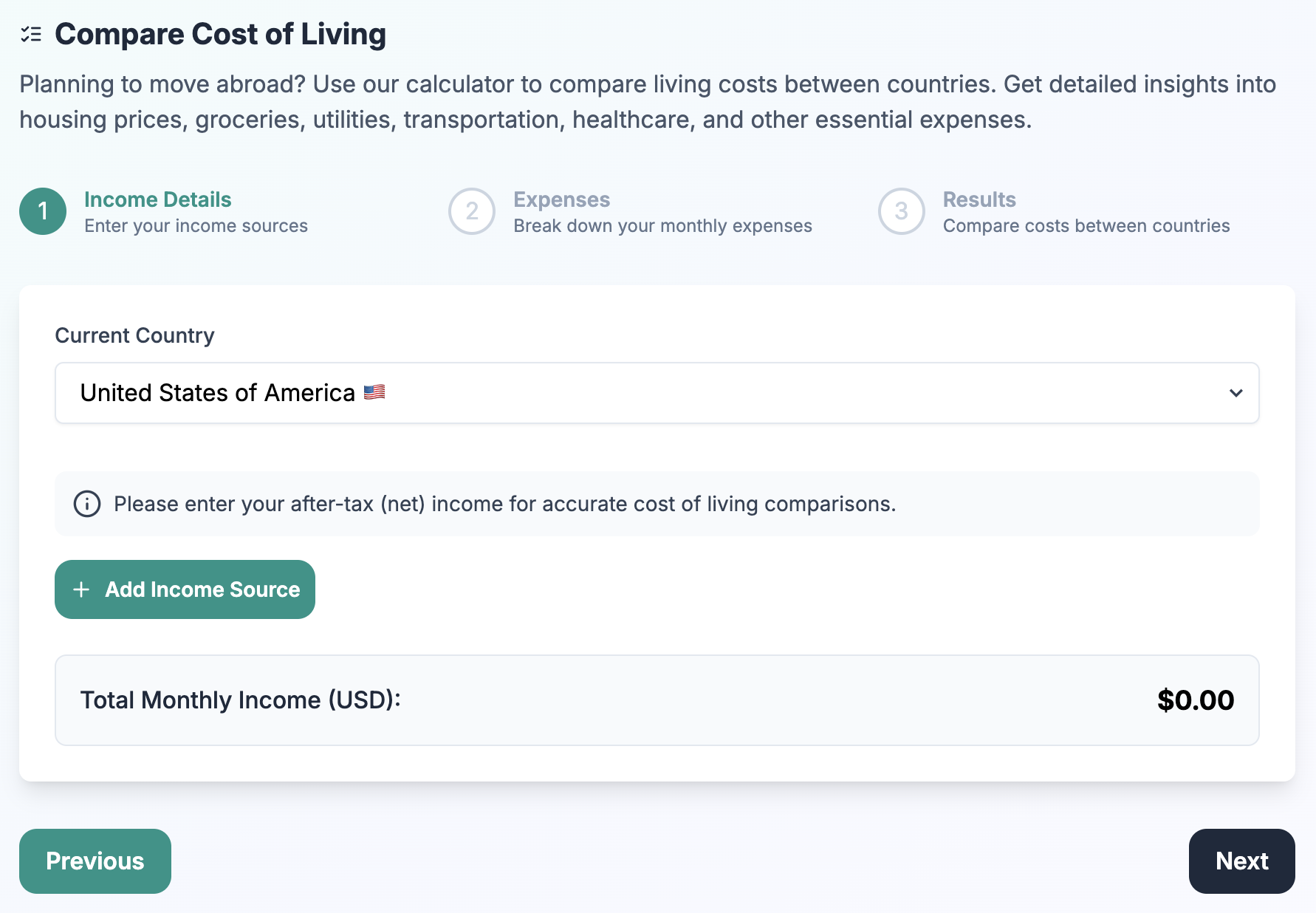
Use the cost-of-living calculator to model your personal budget under currency shifts and decide which visa best suits your affordability and lifestyle.
Using the Relocation Wizard to Identify Your Best Digital Nomad Visa in 2026
No one-size-fits-all solution exists. The best digital nomad visa for you depends on your income, lifestyle, family status, and healthcare needs.
Our Relocation Wizard asks simple questions about your preferences and income to instantly suggest countries and their visa programs that match your profile. Combining this with the financial insights from the cost-of-living calculator ensures you make a confident, informed choice.
Frequently Asked Questions
What is the best digital nomad visa for families in 2026?
Spain’s Nomad Visa stands out for family inclusion, allowing dependents to join with healthcare access under conditions. Malaysia’s MM2H program also supports family relocation with longer visa durations. Always check specific dependent clauses before applying.
How much income do I need to qualify for a digital nomad visa in 2026?
Income requirements range from about €800/month in Portugal’s D7 visa up to $2,000/month for Vietnam’s digital nomad visa. Spain asks for around €2,000/month. The UAE’s virtual working program does not specify a fixed income but expects proof of remote work or freelance status.
Are digital nomad visas a path to permanent residency or citizenship?
Most digital nomad visas primarily provide temporary residency. Some countries like Spain and Portugal have pathways to longer-term residency or citizenship after continuous legal residence but require fulfilling additional conditions. Nomads aiming for permanent status should investigate residency routes separately.
Do I need health insurance for digital nomad visas?
Yes, many countries (including Vietnam, Spain, and UAE) require proof of valid health insurance covering your stay. Some offer access to public healthcare only if you contribute to social security, so private insurance is often the safest bet.
Final Thoughts
Choosing the best digital nomad visa 2026 means balancing practical visa conditions with personal priorities like income, family, healthcare, and lifestyle. Spain’s revitalized Nomad Visa, the UAE’s tax-friendly program, and emerging Southeast Asian options such as Vietnam and Malaysia offer distinct advantages.
To make the best call, leverage real-time tools like our Relocation Wizard for personalised country recommendations and the cost-of-living calculator to budget wisely amid currency and inflation shifts. This approach helps you relocate smoothly, legally, and comfortably—turning your digital freedom into a new home.
Start your journey today with the Relocation Wizard and discover your ideal country fit for 2026 and beyond.