Best Countries for Expats Seeking Work-Life Balance in 2026

Not sure where to start? Our free Relocation Wizard matches you to your ideal country in minutes.
Key Takeaways
- Countries for work-life balance expats in 2026 emphasize supportive visa options for remote and hybrid workers, affordable living, quality healthcare, and strong safety records.
- Portugal and Spain offer revamped digital nomad and remote worker visas with access to national healthcare and long-term residency benefits.
- Southeast Asian hubs like Thailand and Vietnam provide low living costs and pilot remote work visas but require consideration of currency fluctuations and inflation.
- Canada stands out for healthcare accessibility and family-friendly immigration pathways, especially for older immigrants and retirees.
- Balancing fiscal, healthcare, and education factors is key for expats prioritizing well-being alongside career opportunities in 2026-2027.
Why Countries for Work-Life Balance Expats Matter in 2026
The growing emphasis on wellness and flexible work arrangements is shifting how professionals and families choose where to relocate. For many, the best countries for work-life balance expats seek are no longer just economic powerhouses or cultural hotspots—they are destinations where career goals coexist with personal wellbeing, healthcare access, safety, and quality leisure options.
The post-pandemic surge in remote and hybrid work has expanded possibilities. Governments worldwide have responded with tailored visa policies like digital nomad or remote worker visas to attract talent and revive tourism economies. This trend aligns perfectly with the demands of expats wanting meaningful downtime, family-friendly infrastructure, and affordable living that stretches further.
Navigating current visa updates, cost-of-living shifts, healthcare quality, and safety is complex but crucial for a successful, balanced relocation in 2026. This article provides a deep dive into the latest destination opportunities and challenges to help you find the ideal new home.
Key Trends Shaping Work-Life Balance Destinations in 2026
- Expanded Digital Nomad Visas: Countries are adjusting income requirements and visa lengths to capture a broader remote workforce.
- Golden Visa Policy Evolutions: Investment thresholds are rising in places like Greece, while other nations like the UAE broaden eligibility to professionals beyond investors.
- Tax and Residency Incentives: New regimes in Cyprus and others appeal to high-net-worth individuals seeking lower tax burdens and flexible residency.
- Cost of Living and Currency Stability: Southeast Asia remains affordable but must be balanced against inflation and currency strength. Eurozone stability benefits Western European destinations.
- Healthcare and Safety: Public and private healthcare access and political stability are increasingly influential in relocation decisions.
Portugal: A Leader in Work-Life Balance for Expats

Portugal’s expansion of its digital nomad visa in late 2025 is a game changer. Lowering the minimum income requirement from €3,800 to €2,800 per month opens doors for freelancers and remote workers who previously found entry too restrictive. The visa’s two-year validity and access to national healthcare after six months are significant advantages for families and long-term stayers.
Lifestyle and Affordability in Portugal
- Cities like Lisbon and Porto rank high on lifestyle flexibility with diverse leisure options, strong expat communities, and excellent food culture.
- Housing in Porto can be 20-30% cheaper than Lisbon, making it a preferred city for families seeking quality of life without the capital’s premium.
- Portugal benefits from a favorable climate, safety, and relatively low living costs compared to other Western European countries.
Quick Tip: If applying for Portugal’s digital nomad visa, prepare official income proof and health insurance documents early to reduce processing delays which often take around 60 days.
Spain: Rising Star for Remote Workers and Families

Spain’s “Startup and Remote Worker Visa,” launched in early 2026, targets remote professionals earning a minimum of €2,000 monthly. This initiative combines a streamlined residence permit process valid for up to five years with pathways toward permanent residency—a big plus for expats seeking stability. Visa fees are reasonable (€200-€300), with processing times averaging three months.
What Makes Spain Ideal for Work-Life Balance Expats?
- Excellent healthcare ranked among the best globally.
- Vibrant urban and coastal cities like Barcelona, Valencia, and Malaga offer diverse schooling choices, outdoor activities, and cultural richness. Valencia and other secondary cities are increasingly popular for being 20-30% more affordable than capitals.
- Strong transport networks and family-oriented amenities.
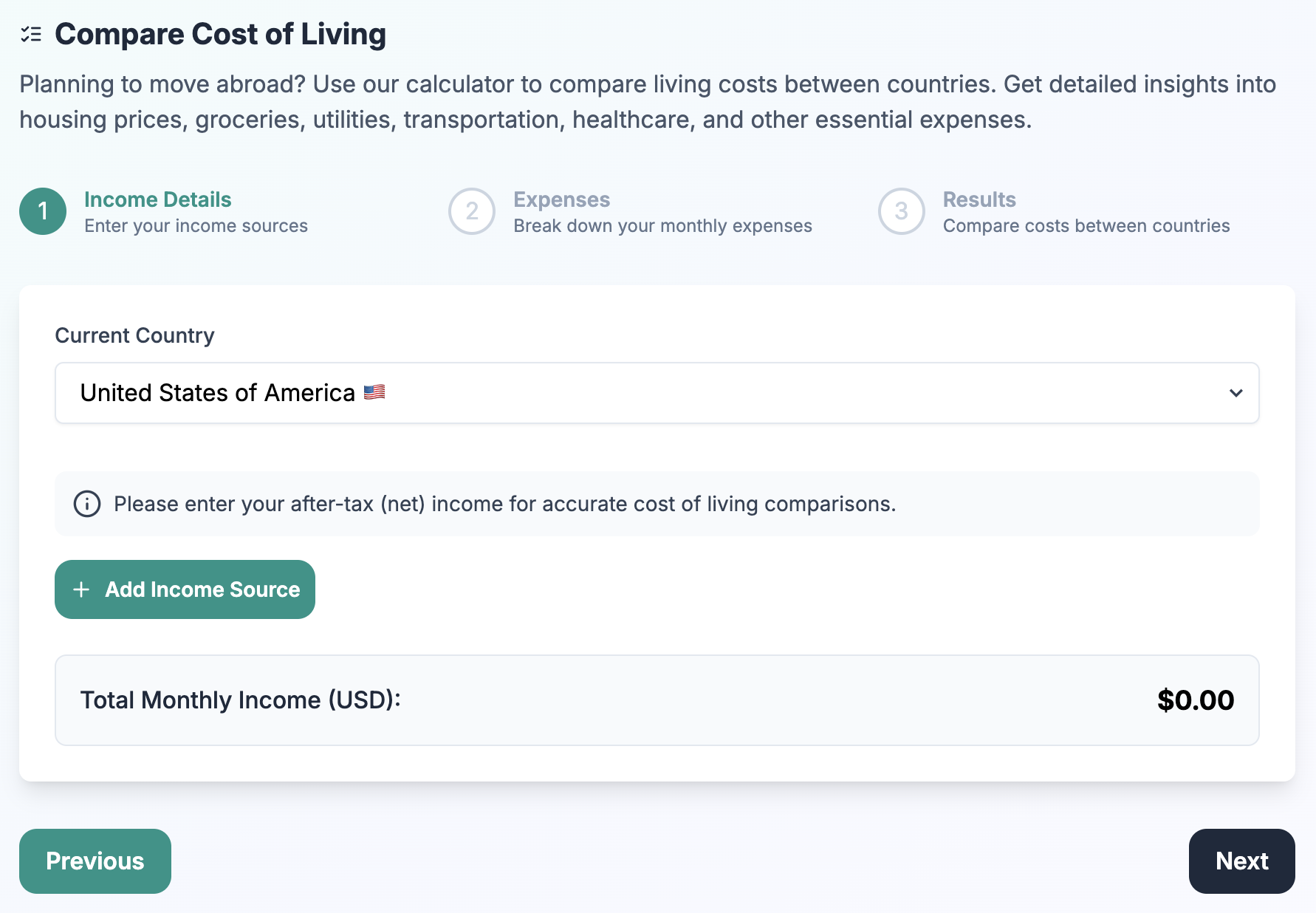
Quick Tip: Consider smaller Spanish cities for lower rent and higher schooling quality. Use the cost-of-living calculator to compare living expenses across Barcelona, Valencia, and Madrid.
Canada: Balancing Career and Comprehensive Healthcare

Canada’s Provincial Nominee Programs (PNPs) now include pathways welcoming older immigrants (55+) with private health insurance, reflecting the country’s focus on family and wellness across ages. Provinces like Nova Scotia and Manitoba actively seek newcomers who balance financial self-sufficiency with healthcare coverage.
Health and Safety Benefits for Expats
- Public healthcare offers excellent treatment with shorter wait times for permanent residents compared to many countries.
- Canada maintains consistently high public safety ratings and family-friendly urban planning.
- A robust economy with opportunities in tech, healthcare, and education sectors.
Quick Tip: When applying through PNPs, ensure private health insurance is arranged immediately, as provincial healthcare eligibility often requires permanent residency status or specific waiting periods.
Southeast Asia: Affordability Meets Emerging Infrastructure
Thailand’s Smart Visa Program

Thailand has updated its Smart Visa scheme to offer four-year residency for tech entrepreneurs and remote workers earning over THB 100,000 (USD 2,900). While this income threshold is higher than before, Bangkok’s cost of living remains attractive (USD 1,200–1,500/month for comfortable expat lifestyles). Still, inflation and Thai Baht currency appreciation (~4% vs USD in 2025-26) require budgeting awareness.
Vietnam’s Emerging Digital Nomad Scene

Vietnam stands out with its new pilot digital nomad visa valid for one year, no minimum income requirement, and very low living costs (~USD 1,000/month including housing). Ho Chi Minh City and Da Nang are hotspots for expats drawn by improving healthcare and urban amenities, though the visa remains in rollout with limited slots.
| Factor | Thailand | Vietnam |
|---|---|---|
| Visa Duration | Up to 4 years (Smart Visa) | 1 year (Pilot Digital Nomad) |
| Income Requirement | > THB 100,000/month (~USD 2,900) | None (pilot phase) |
| Cost of Living | USD 1,200–1,500/month | USD 1,000/month |
| Healthcare | Improving private & public | Developing private healthcare |
Quick Tip: When considering Southeast Asia, factor in fluctuating currencies and inflation trends; keep savings in stable currencies to maintain spending power.
United Arab Emirates: High-End Flexibility with Innovation Visa

The UAE revamped its Golden Visa program by introducing the “Innovation and Talent Visa,” allowing distinguished professionals like scientists and artists to secure 10-year residency without full-time residence requirements. This offers unmatched lifestyle flexibility, attractive for expats valuing career growth and personal freedom in a safe, tax-friendly environment.
- The UAE is a tax haven with no personal income tax, enhancing its appeal.
- Ultra-modern infrastructure and international schools cater extensively to expat families.
- The focus on innovation aligns with global remote work trends.
Quick Tip: The UAE Golden Visa application requires robust proof of achievements and professional credentials—start gathering endorsements early.
Choosing Between Capitals and Secondary Cities
In 2026, many expats shift preference from capitals toward smaller or secondary cities in Europe and Latin America to balance costs with quality of life. For example:
- Portugal’s Porto and Spain’s Valencia offer more affordable rent and better school options compared to Lisbon and Barcelona.
- Uruguay’s capital, Montevideo, is safer and has a thriving digital nomad visa, attracting remote workers looking for Spanish immersion.
- Emerging secondary cities often provide improved public safety and slower pace without sacrificing connectivity.
Quick Tip: Use the Relocation Wizard to explore options beyond capitals and uncover hidden gems suited to your lifestyle preferences.
How to Prioritize Your Work-Life Balance Criteria
Balancing work opportunities and personal wellbeing depends on weighing:
- Visa eligibility and long-term residency potential.
- Cost of living versus disposable income.
- Access to reliable healthcare for the whole family.
- Safety and political stability of the region.
- Quality of leisure and community infrastructure.
The best countries for work-life balance expats combine these elements transparently with accessible immigration frameworks—ensuring your move is both strategic and sustainable.
Frequently Asked Questions
What are the best visa options for remote workers in 2026?
Countries like Portugal and Spain offer digital nomad or remote worker visas with reduced income thresholds and multi-year residency options. Southeast Asian nations are expanding pilot programs with flexible terms but often shorter duration and evolving requirements.
How does healthcare impact decisions for expats prioritizing work-life balance?
Access to high-quality healthcare is a top priority for expats and families. Countries like Canada and European nations provide national healthcare integration. In countries with private healthcare systems, securing comprehensive insurance is essential, especially during residency application processes.
Are there affordable countries with strong work-life balance for families?
Yes, destinations like Portugal, Spain, and certain Southeast Asian cities offer affordable living with good schools, safety, and leisure facilities. Secondary cities often provide better value for families compared to more expensive capitals.
How do currency fluctuations affect relocating expats in 2026?
Stable currencies such as the euro or Canadian dollar provide financial predictability, while depreciation in some Latin American currencies can both deter investment or increase disposable income for those paid in strong foreign currencies. Careful financial planning is advised.
Final Thoughts
Choosing where to relocate as an expat seeking an ideal work-life balance in 2026 means carefully evaluating visa policies, healthcare access, cost of living, and safety. Countries like Portugal, Spain, and Canada stand out for their integrated approaches to wellness and career flexibility, while Southeast Asian hubs offer exciting emerging options.
Begin your journey with our free Relocation Wizard to match your priorities with the best destinations worldwide. Don’t forget to calculate your tailored budget using our cost-of-living calculator to ensure your dream move balances comfort and financial savvy. Your ideal work-life balance awaits!